



SALE PRODUCTS
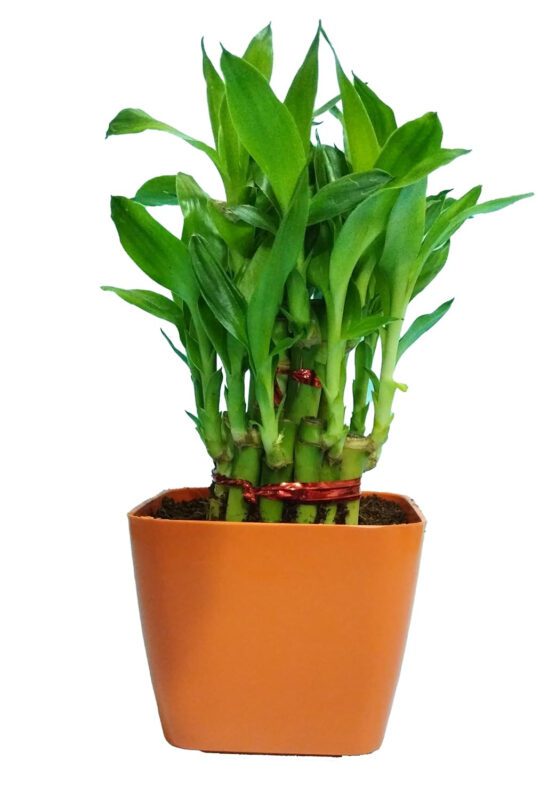
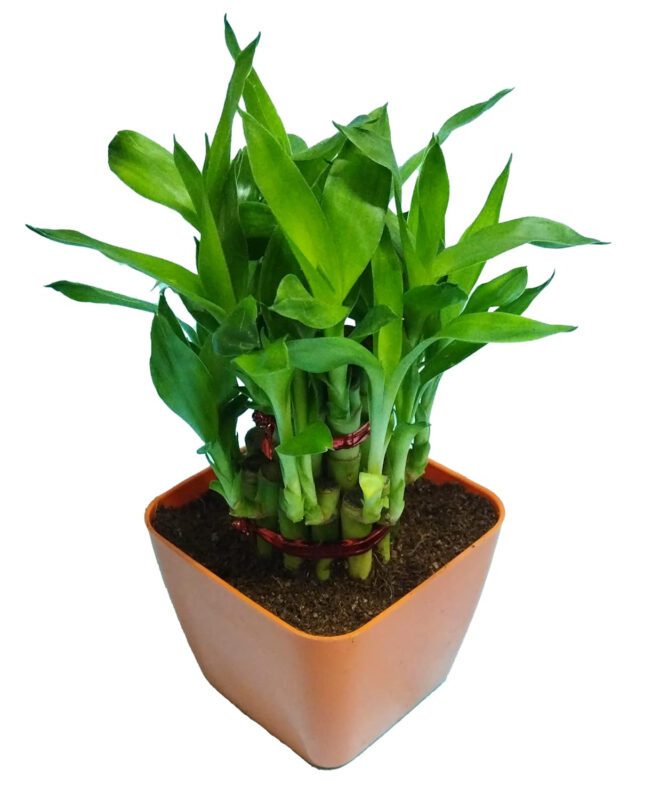
2 Layer Lucky Bamboo Plant in Orange Plastic Pot
- Live 2 Layer Lucky Bamboo Plant in Orange Plastic Pot for Table top or Desktop
- Lucky Bamboo plants are indoor plants, easy for caring, no fertilizer required.
- Care for Lucky Bamboo Plant: Keep roots always moist and avoid direct sunlight, keep it in bright light.
- Add Slow release fertilizer regularly. Water with RO water from water filter. Don't use any tap water.
- These Lucky Bamboo Plants are healthy, beautiful with full roots with light green leaves.
- Lucky Bamboo Plant Benefits: People say it brings Positive effect! Lucky Bamboo Plant is an expression of love and is also said it can multiply luck.
- Plant Details : 5 Inch in height
- Pot Details : 4 Inch height & 3.5 Inch Wide | Color : Orange | Material : Plastic
- Package Contents: 1 Unit of Plant, 1 Unit of Pot
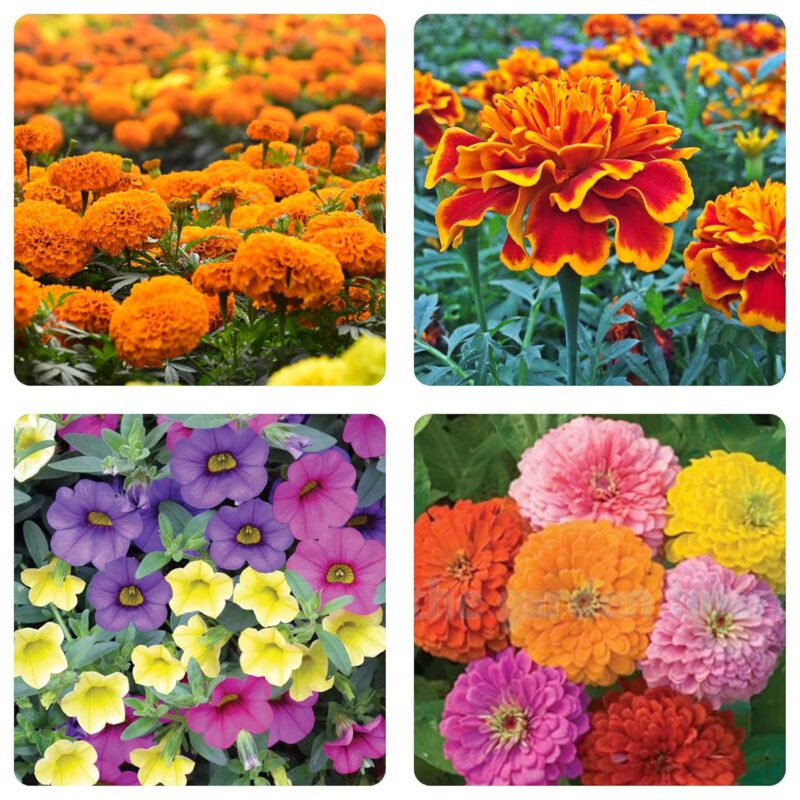
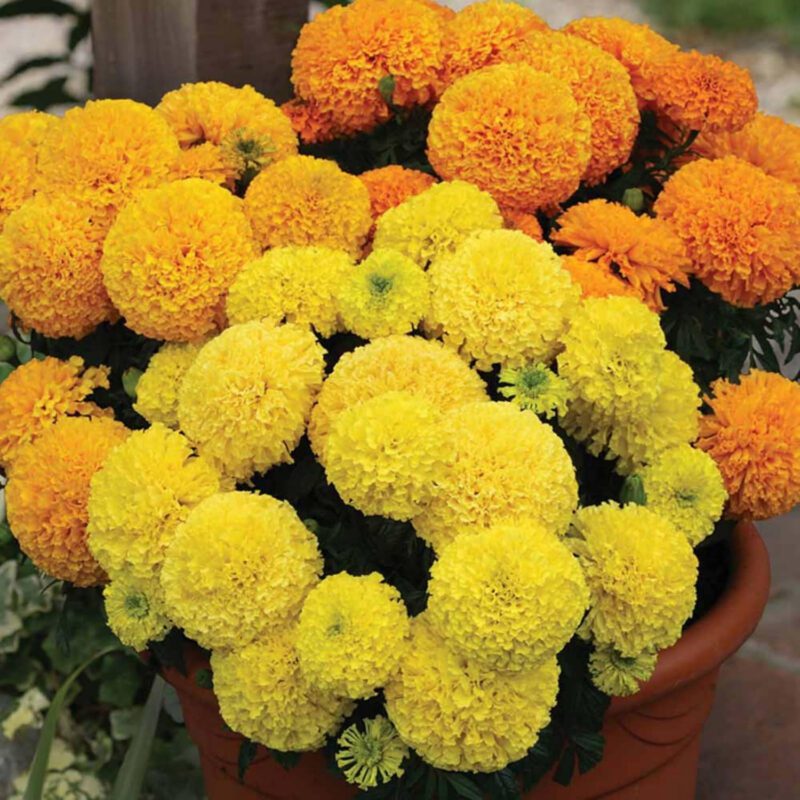
4 Varieties – Flower Seeds Combo Pack -50 African Marigold, 50 French Marigold, 50 Petunia, 50 Zinnia Seeds | Total 200 Seeds for Home
- 🌼 Premium Flower Seeds Combo Pack: Includes 50 seeds each of African Marigold, French Marigold, Petunia, and Zinnia.
- 🌞 Easy to Grow: Perfect for beginners and experienced gardeners, suitable for pots, garden beds, and hanging baskets.
- 🌸 Bright and Vibrant Blooms: Add colorful, long-lasting flowers to your garden, balcony, or indoor spaces.
- 🐝 Pollinator-Friendly: Attract bees and butterflies to support a healthy garden ecosystem.
- 🛡️ Natural Pest Control: Marigolds act as natural pest repellents, protecting your garden.
- 🌿 Versatile Gardening: Ideal for outdoor gardens, balcony decorations, and indoor planters.
- ✅ High Germination Rate: Seeds are carefully selected to ensure quality and fast growth.
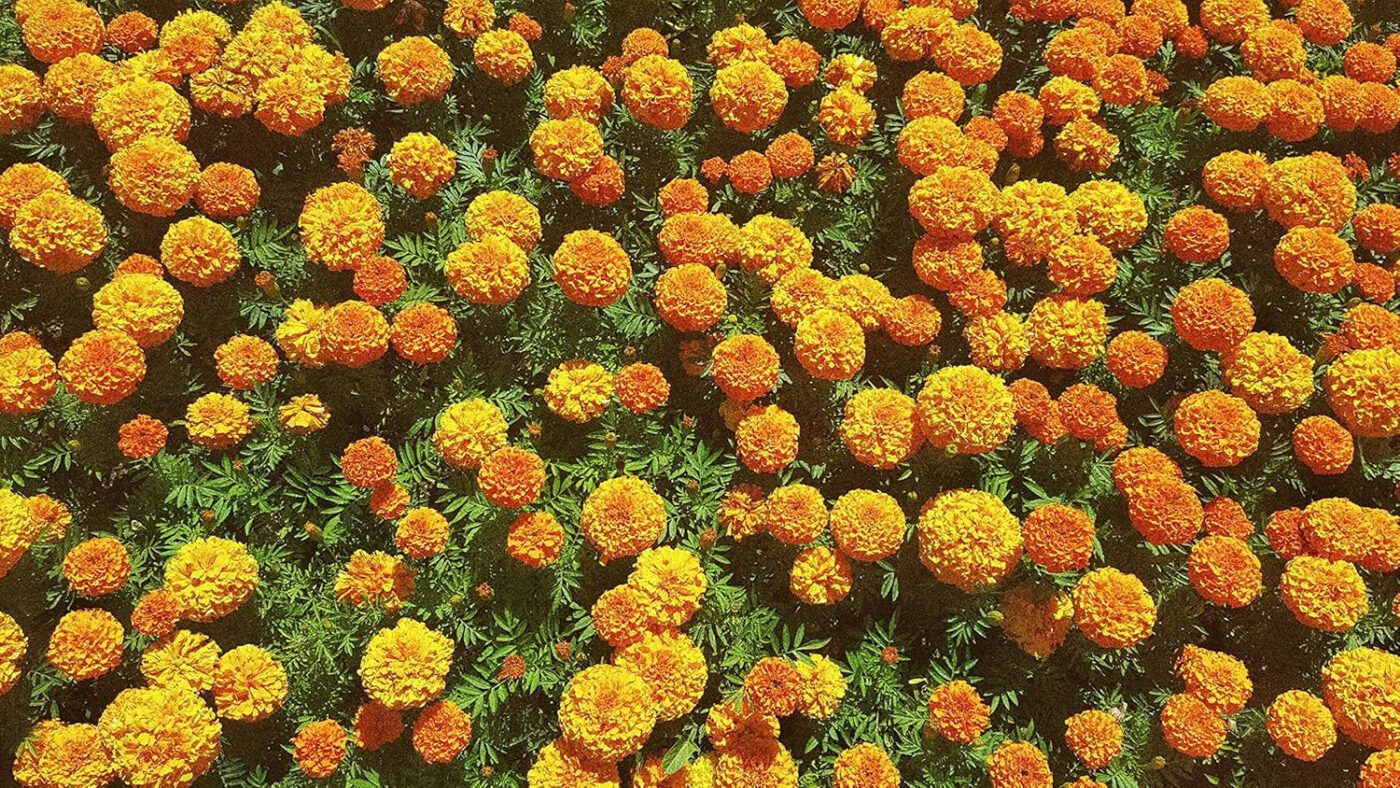
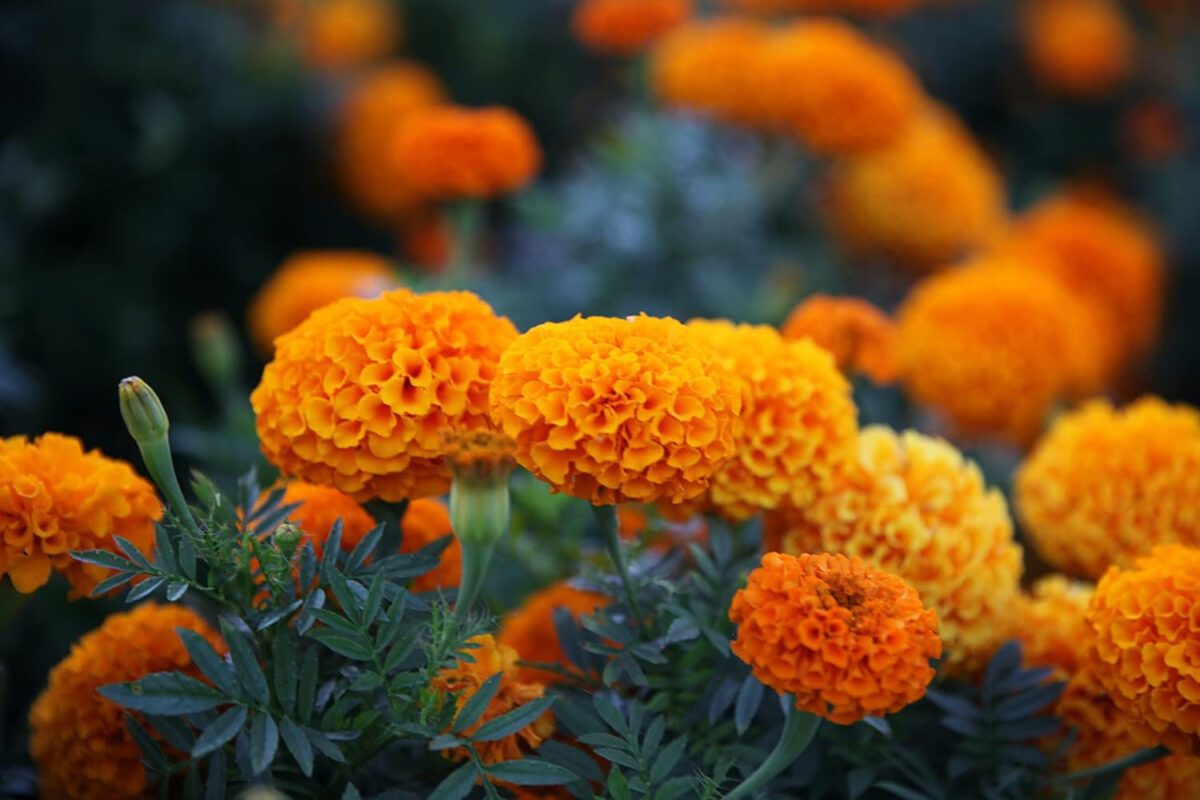
African Marigold Crackjack Inca Mix Seed – 50 Seeds Pack
- African Marigolds (Tagetes erecta) are known for their vibrant and striking colors. They produce large, pom-pom-like flowers in shades of yellow, orange, and gold. Their bright colors make them a popular choice for adding a pop of color to gardens and floral arrangements.
- African Marigolds are relatively easy to grow, making them suitable for both beginner and experienced gardeners. They are tolerant of a wide range of soil conditions and can thrive in full sun. These hardy annual flowers can be grown from seeds, which germinate quickly and produce sturdy plants.
- African Marigold flowers have a long blooming period, providing color and beauty throughout the summer and into the fall. The flowers typically last several weeks before fading. Deadheading spent blooms can encourage the plant to produce more flowers, extending the blooming season.
- African Marigolds have a distinct, pungent scent that acts as a natural deterrent to many garden pests. Planting them around vegetable gardens or other susceptible plants can help repel insects such as aphids and nematodes. Their strong aroma is particularly effective against pests like whiteflies and mosquitoes.
- While African Marigolds are not as attractive to pollinators as some other flowers, they do provide a valuable food source for certain pollinators, such as bees and butterflies. Their nectar can attract these beneficial insects to your garden and support a healthy ecosystem.
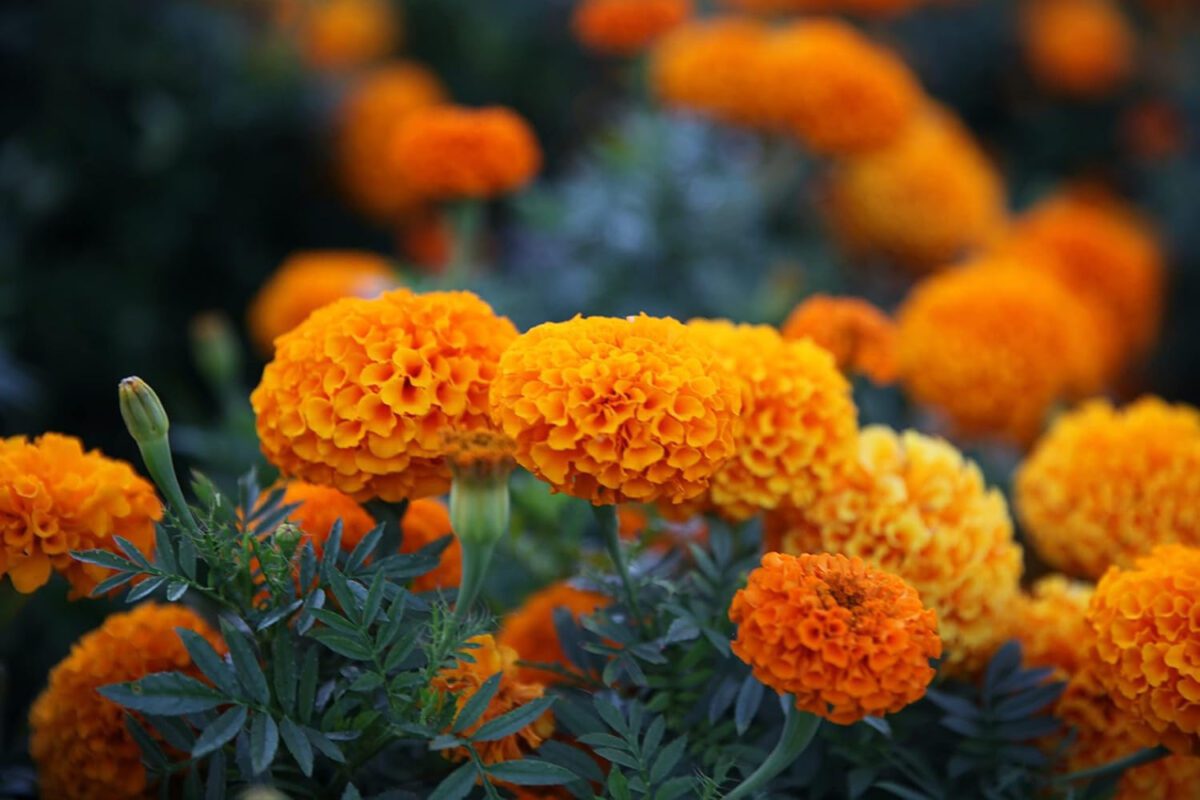
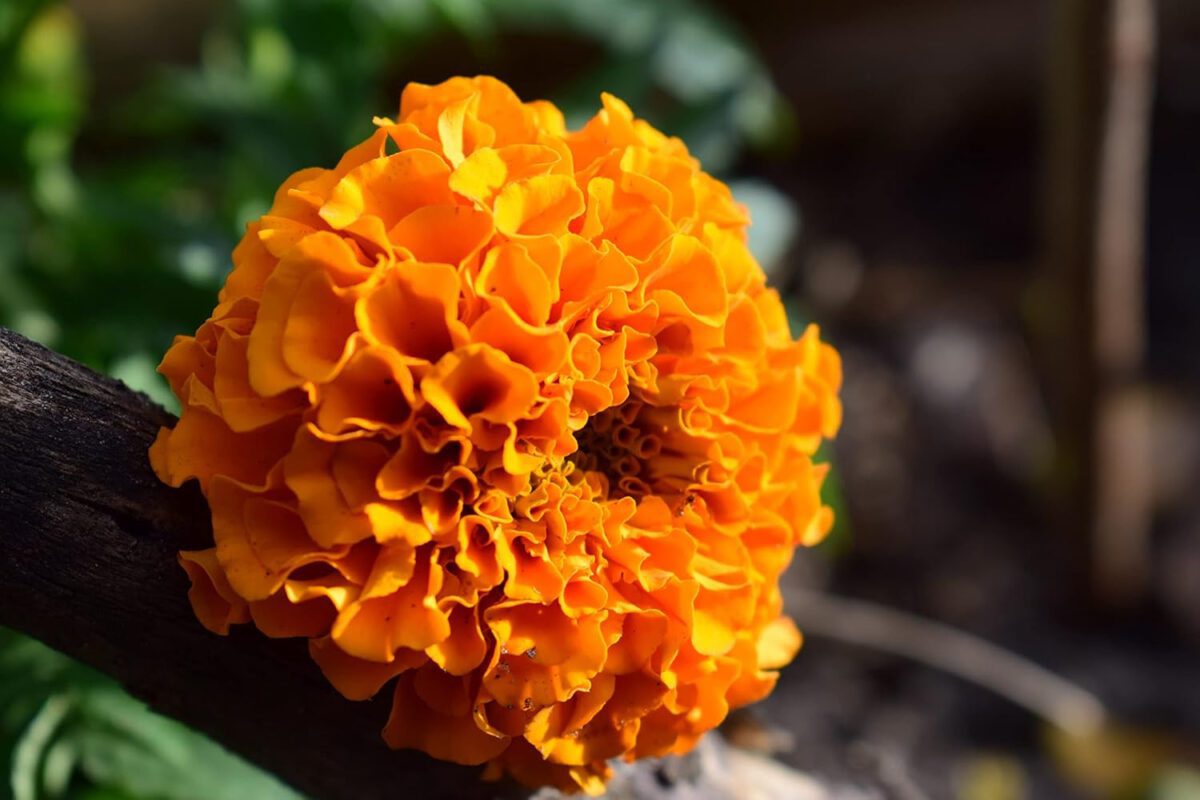
African Marigold Flower Seeds Mix Colour 50 Seeds Pack
- African Marigold Seeds: Embark on a journey of color and beauty with these enchanting flower seeds.
- Radiant Garden Blooms: Adorn your outdoor space with the radiant colors of African Marigold flowers.
- Charming Butterfly Attraction: Bring the magic of butterflies to your garden with these captivating blooms.
- Top-Quality Seed Selection: Plant with confidence, knowing you've chosen the best seeds for flourishing flowers.
- Lively Garden Ambiance: Infuse your garden with a vibrant and lively atmosphere with these flowers.
- Effortless Gardening Joy: Enjoy a hassle-free and rewarding gardening experience with these easy-to-grow seeds.
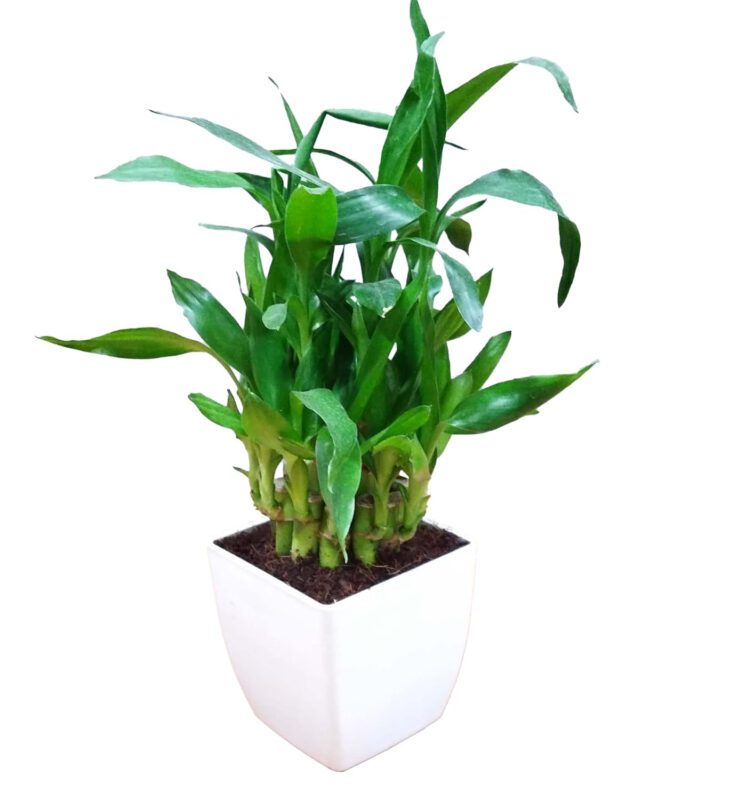
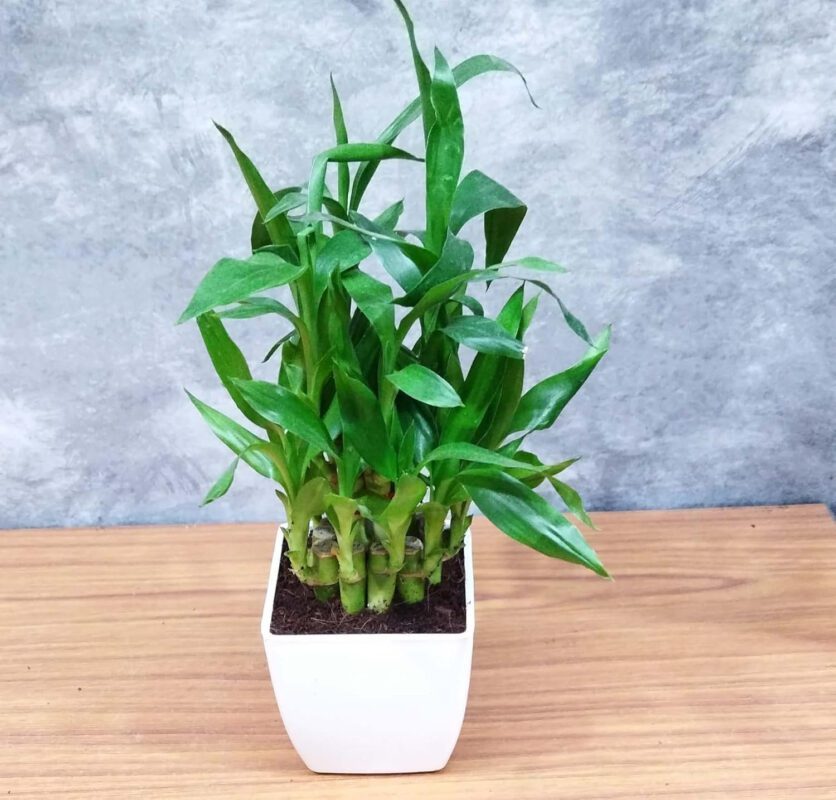
Air Purifying 2 Layer Lucky Bamboo Plant in White Square Fiber Pot
- 2 Layer Lucky Bamboo Plant in White Square Fiber Pot for Table top or Desktop,
- Two Layer Lucky Bamboo plants are indoor plants, easy for caring,
- Care for Lucky Bamboo Plant: Keep medium moist and avoid direct sunlight, keep it in bright indirect sunlight,
- Add water every week with RO water from water filter. Don't use any tap water,
- These Lucky Bamboo Plants are healthy, beautiful with full roots with light green leaves,
- Lucky Bamboo Plant Benefits: People say it brings Positive effect! Lucky Bamboo Plant is an expression of love and is also said it can multiply luck,
- Plant Details : 4 Inch in height,
- Pot Details : 3.5 Inch height & 3 Inch Wide | Color : White | Shape : Square | Material : Plastic,
- Package Contents: 1 Unit of Plant, 1 Unit of Pot
SPECIAL OFFER
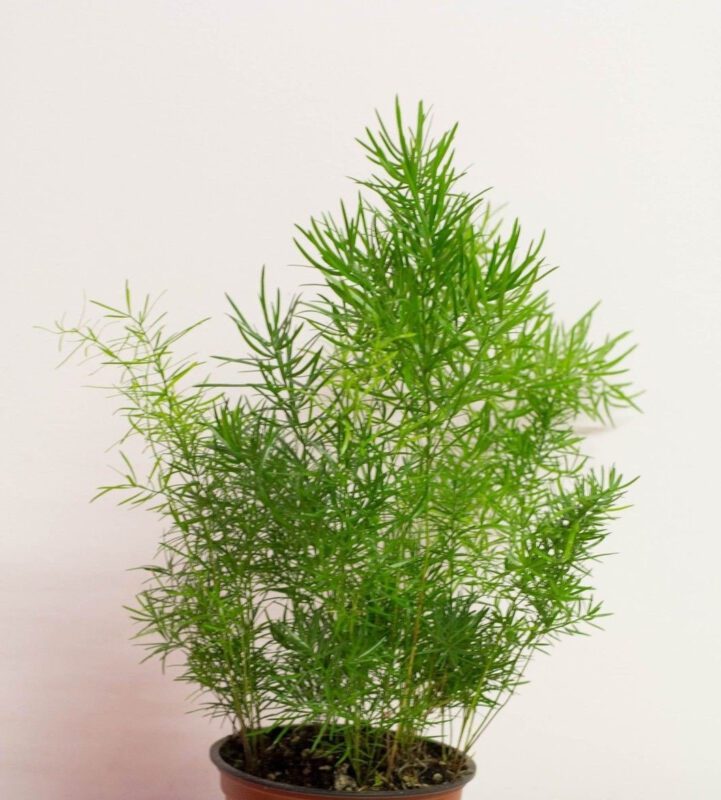
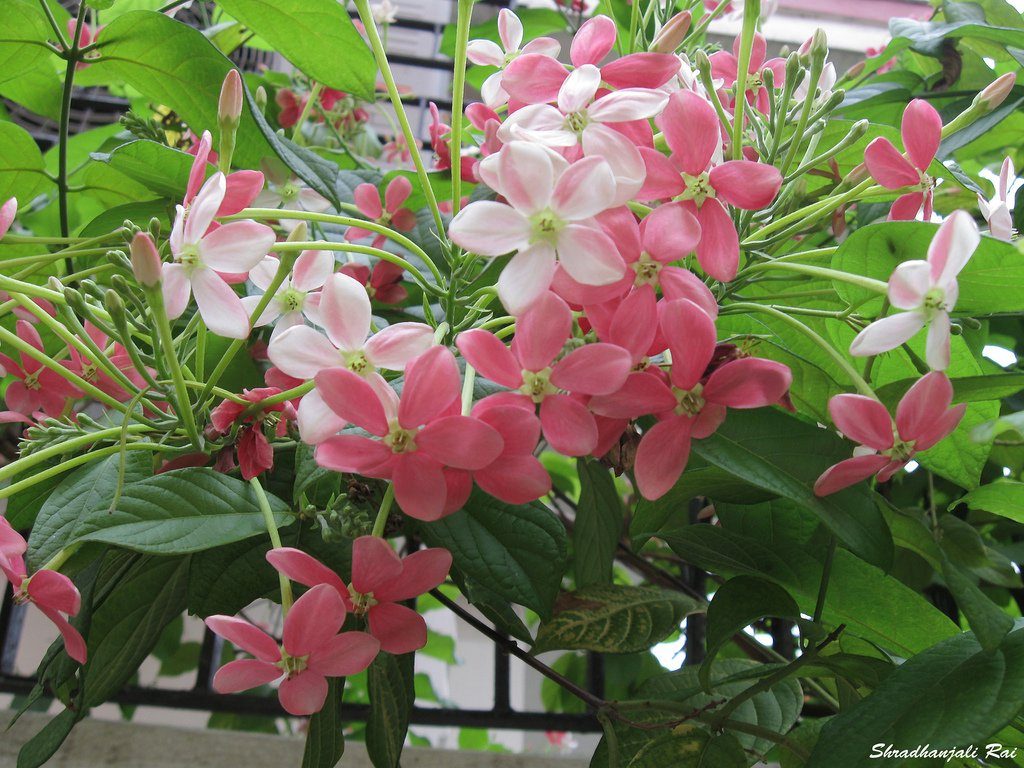
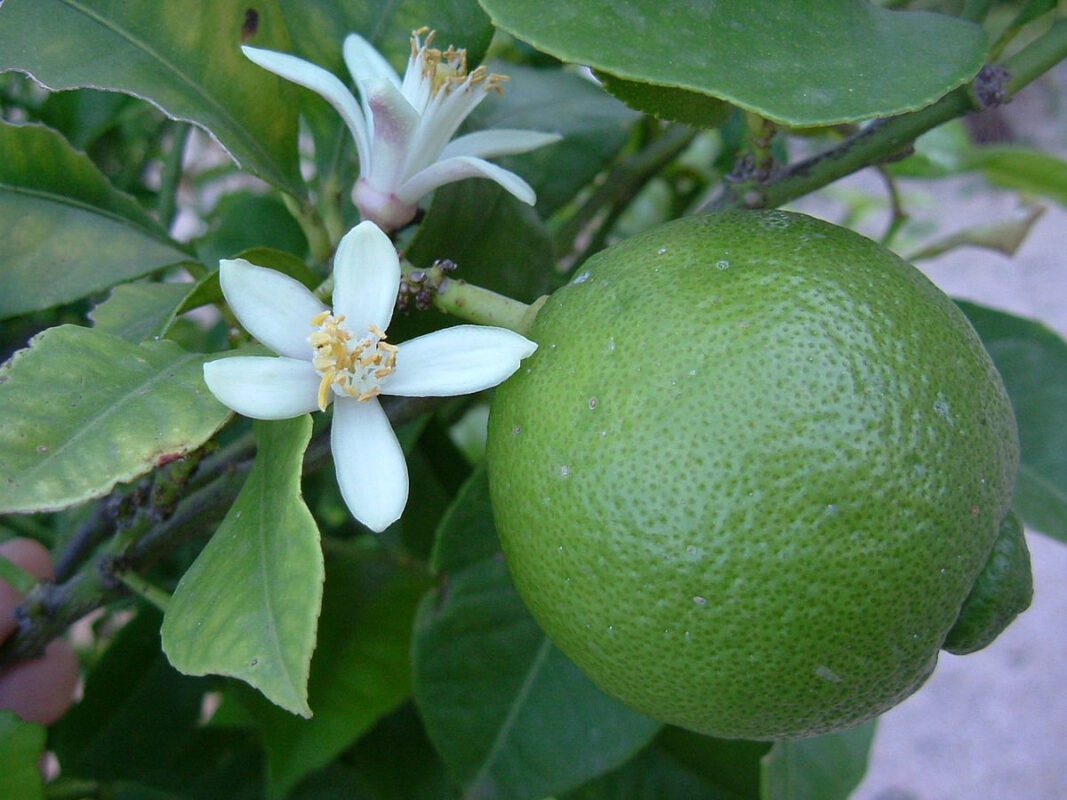

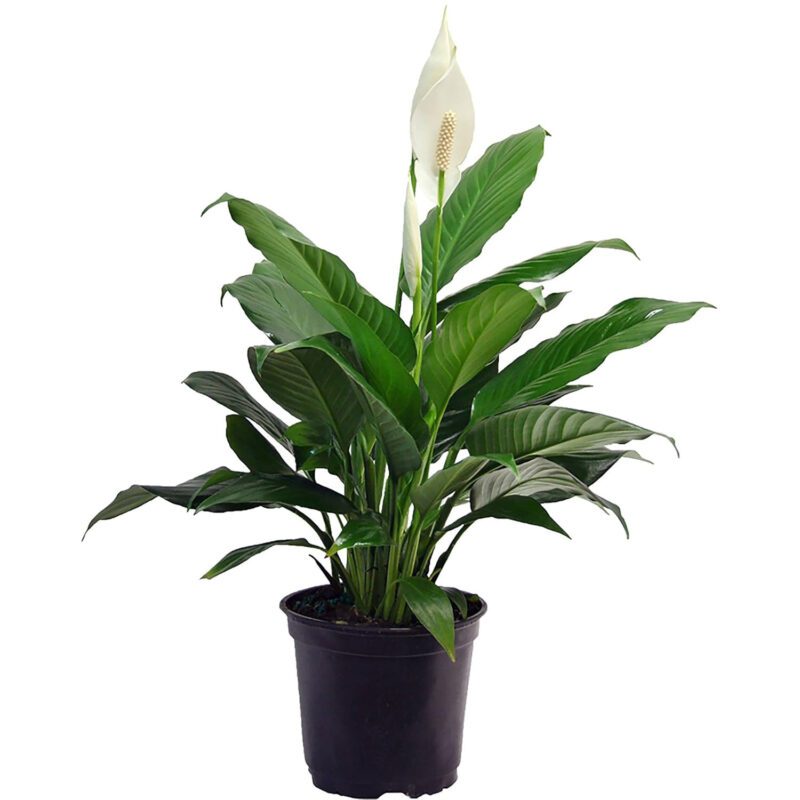

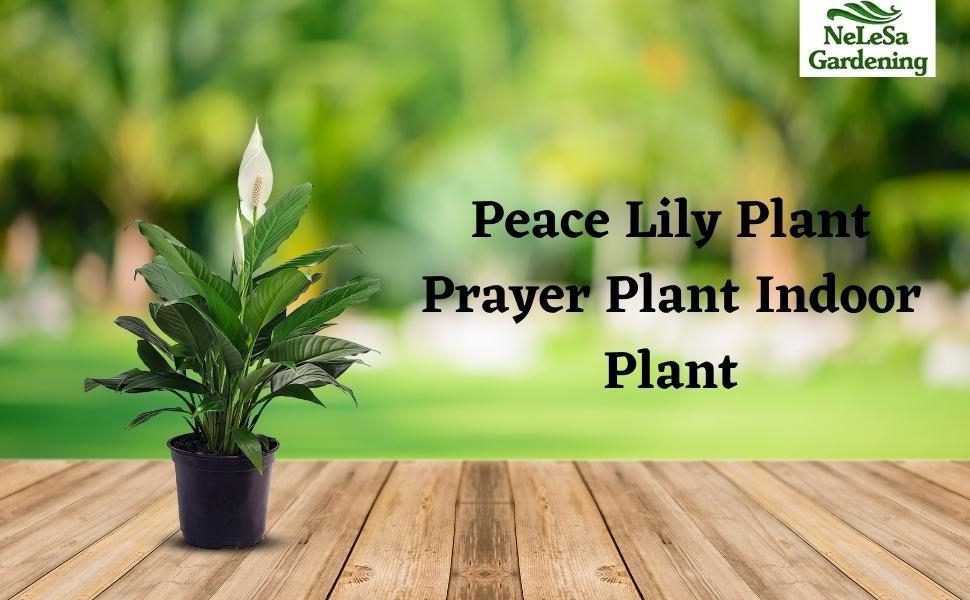
Peace Lily Flower Plant
- Lush and Vibrant: Our peace lily plant adds a touch of nature's elegance to your living room or bedroom decor.
- Comes In A Pot: This peace lily plant comes in a beautiful pot ensuring hassle-free maintenance.
- Thriving Live Plant: Enjoy the beauty of a live peace lily plant that brings a sense of calmness to your indoor space.
- Easy Care: The hydroponic peace lily requires minimal attention, making it perfect for busy households.
- Home Decor Must-Have: Elevate your home decor with the magnificent peace lily, a symbol of tranquility and grace.
- Perfect Gift: Treat your loved ones to the natural beauty of a peace lily plant sapling; a gift that keeps on giving.
- Air Purifying Plant: Clean your home and office from toxic air and enjoy clean air with this NASA recommended air purifier Plant
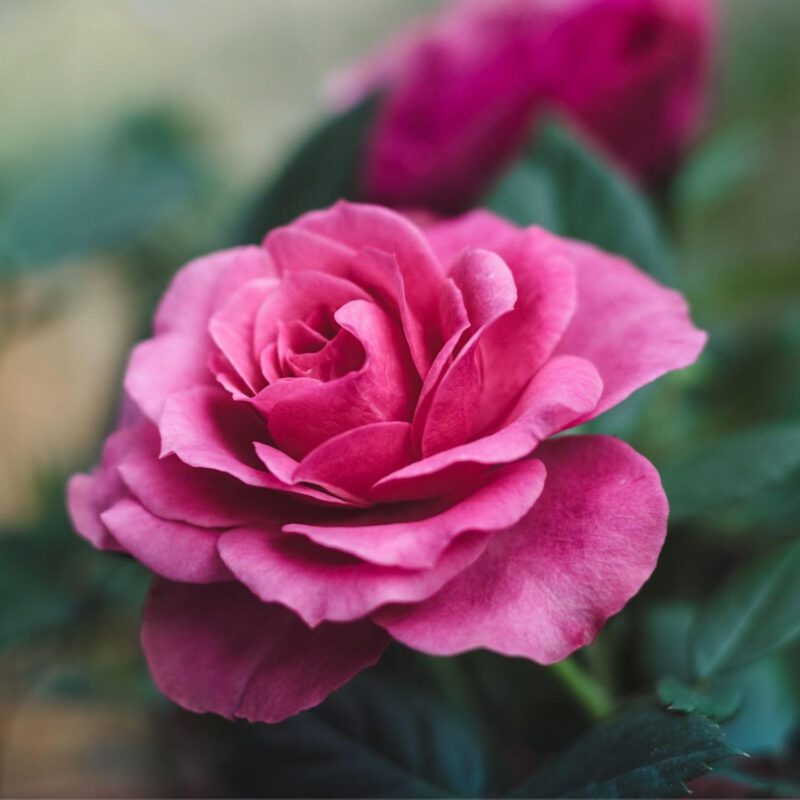

Pink Rose Plant
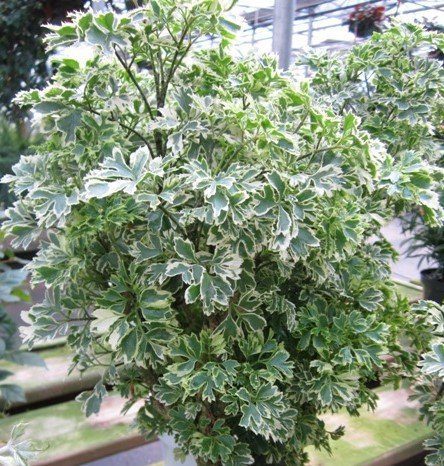
Variegated Aralia Plant

Augue adipiscing euismod
₹ 199.00
Scelerisque facilisi rhoncus non faucibus parturient senectus lobortis a ullamcorper vestibulum mi nibh ultricies a parturient gravida a vestibulum leo sem in. Est cum torquent mi in scelerisque leo aptent per at vitae ante eleifend mollis adipiscing.
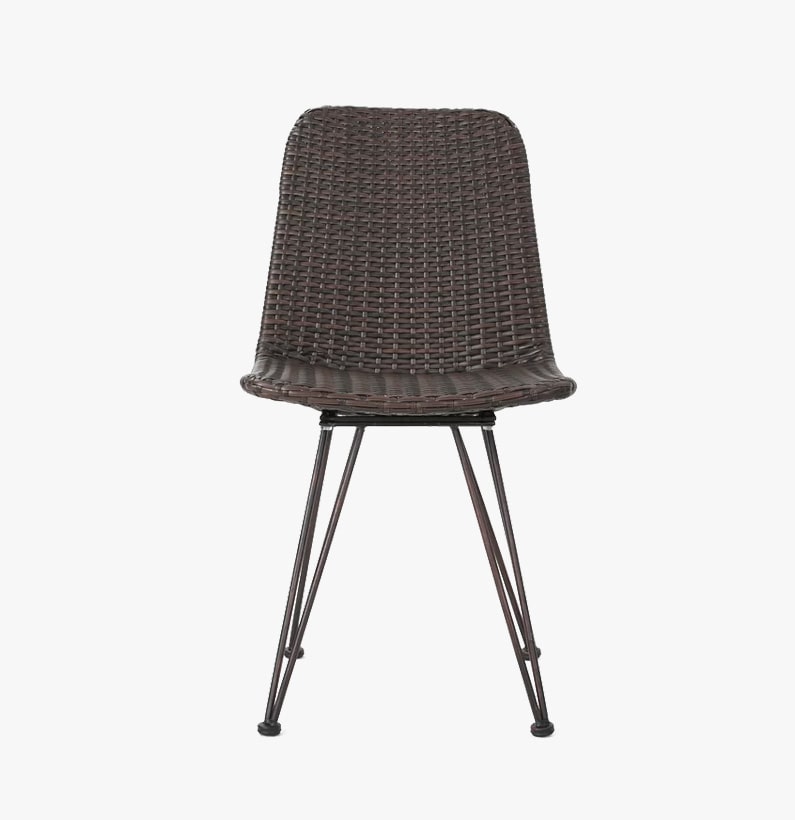
Classic wooden chair
₹ 299.00
Scelerisque facilisi rhoncus non faucibus parturient senectus lobortis a ullamcorper vestibulum mi nibh ultricies a parturient gravida a vestibulum leo sem in. Est cum torquent mi in scelerisque leo aptent per at vitae ante eleifend mollis adipiscing.
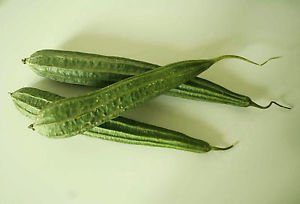
Ridge Gourd Turai Tori Luffa Jhinga Seeds 30 Seeds
Original price was: ₹ 199.00.₹ 49.00Current price is: ₹ 49.00.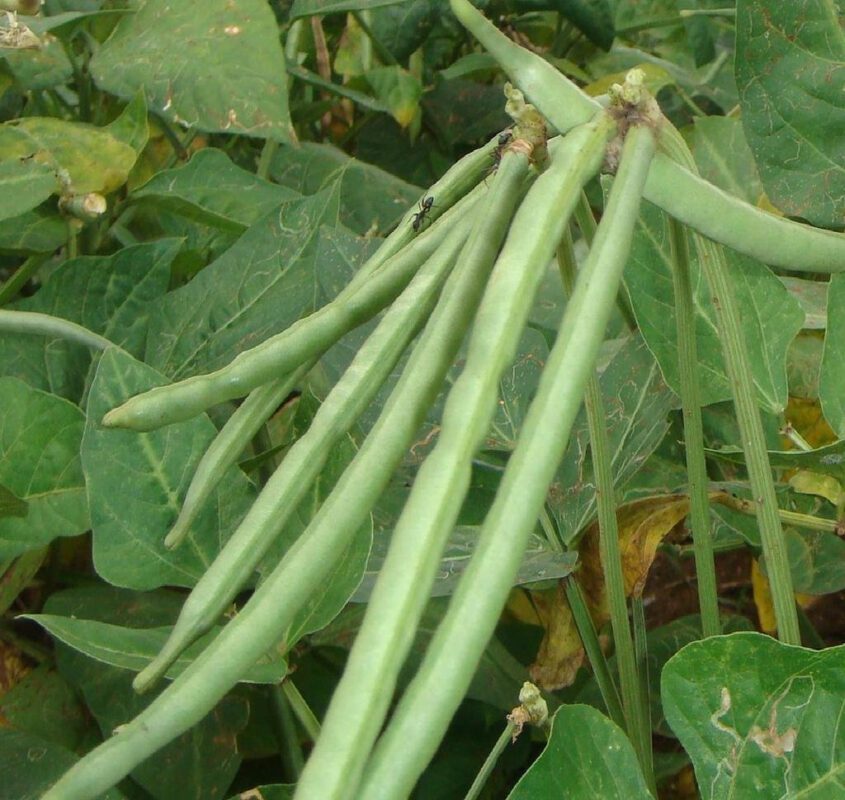
CowpeaBarbatti Seed – 25 Seeds
Original price was: ₹ 199.00.₹ 49.00Current price is: ₹ 49.00.
FOR TRAVELERS
Peace Lily Flower Plant
- Lush and Vibrant: Our peace lily plant adds a touch of nature's elegance to your living room or bedroom decor.
- Comes In A Pot: This peace lily plant comes in a beautiful pot ensuring hassle-free maintenance.
- Thriving Live Plant: Enjoy the beauty of a live peace lily plant that brings a sense of calmness to your indoor space.
- Easy Care: The hydroponic peace lily requires minimal attention, making it perfect for busy households.
- Home Decor Must-Have: Elevate your home decor with the magnificent peace lily, a symbol of tranquility and grace.
- Perfect Gift: Treat your loved ones to the natural beauty of a peace lily plant sapling; a gift that keeps on giving.
- Air Purifying Plant: Clean your home and office from toxic air and enjoy clean air with this NASA recommended air purifier Plant
Pink Rose Plant
Variegated Aralia Plant
SALE PRODUCTS
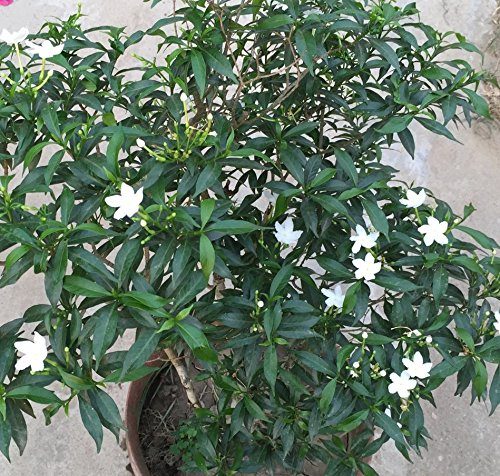
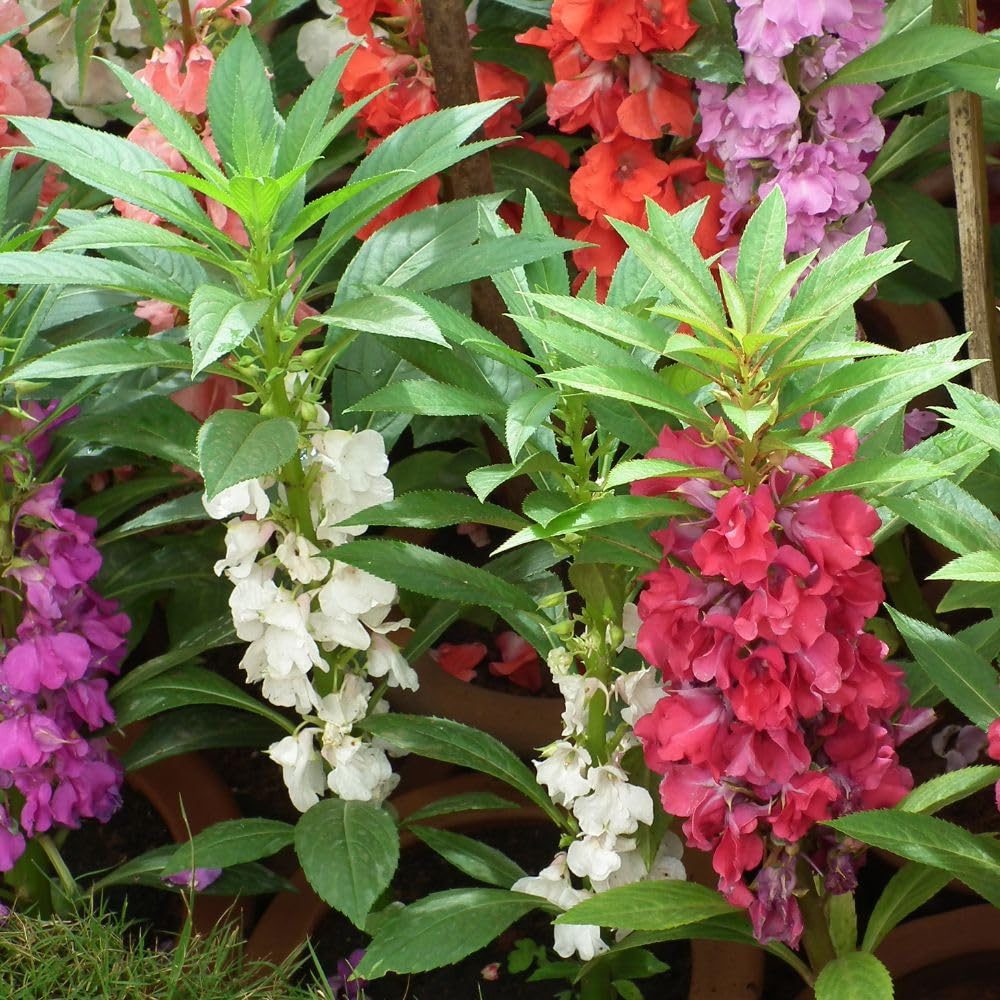
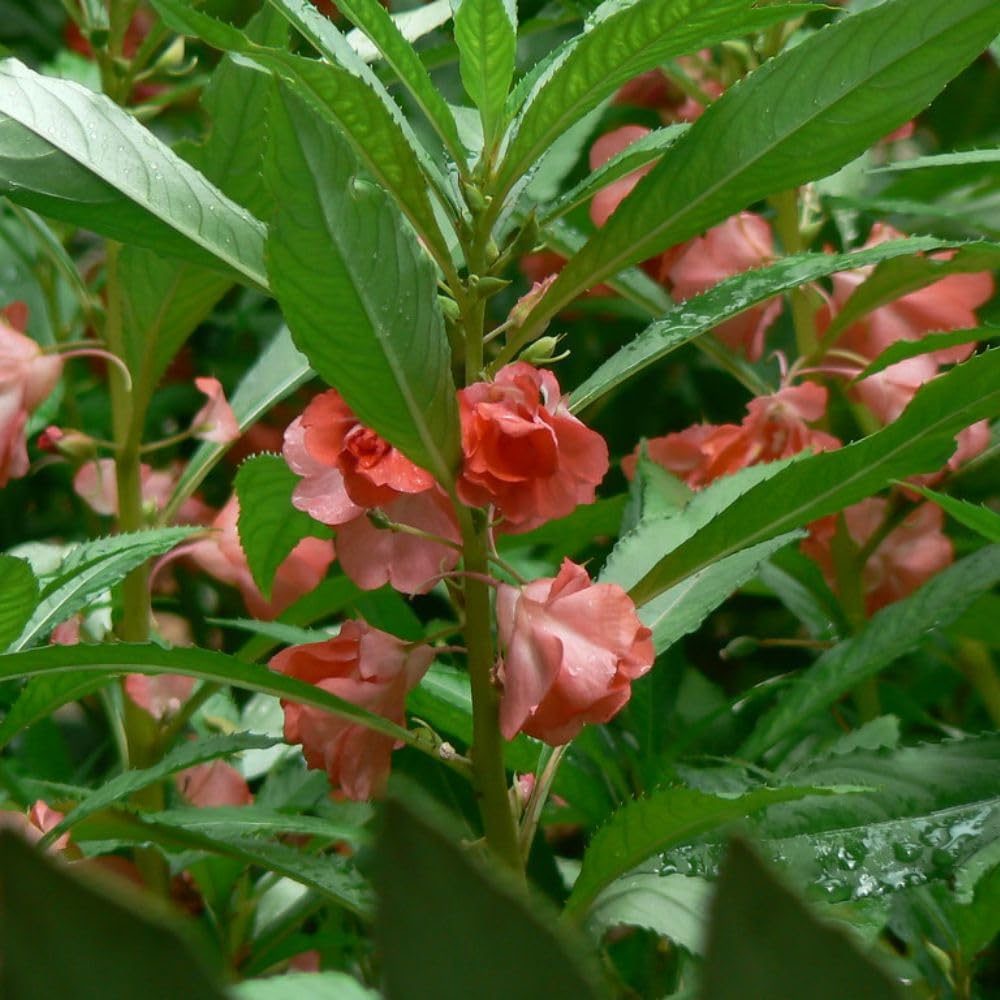
Balsam Dwarf Double Mixed Flower Seed – 100 Seeds Pack for Vibrant Garden Blooms
- Vibrant Garden Display: Grow a stunning variety of multicolour, double blooms with our Balsam Dwarf Flower Seeds, turning your garden into a vibrant spectacle.
- Pack of 100 Seeds: Ensure an abundant supply of flowers with each pack, creating a flourishing and lively garden.
- Easy-to-Grow: Beginner-friendly seeds with simple planting instructions for a hassle-free gardening experience.
- Charming Outdoor Space: Add instant charm and beauty to your garden with the vibrant hues of Balsam Dwarf Double Mixed Flowers.
- Long-Lasting Blooms: Enjoy a continuous display of blooms, enhancing the aesthetic appeal of your garden throughout the season.
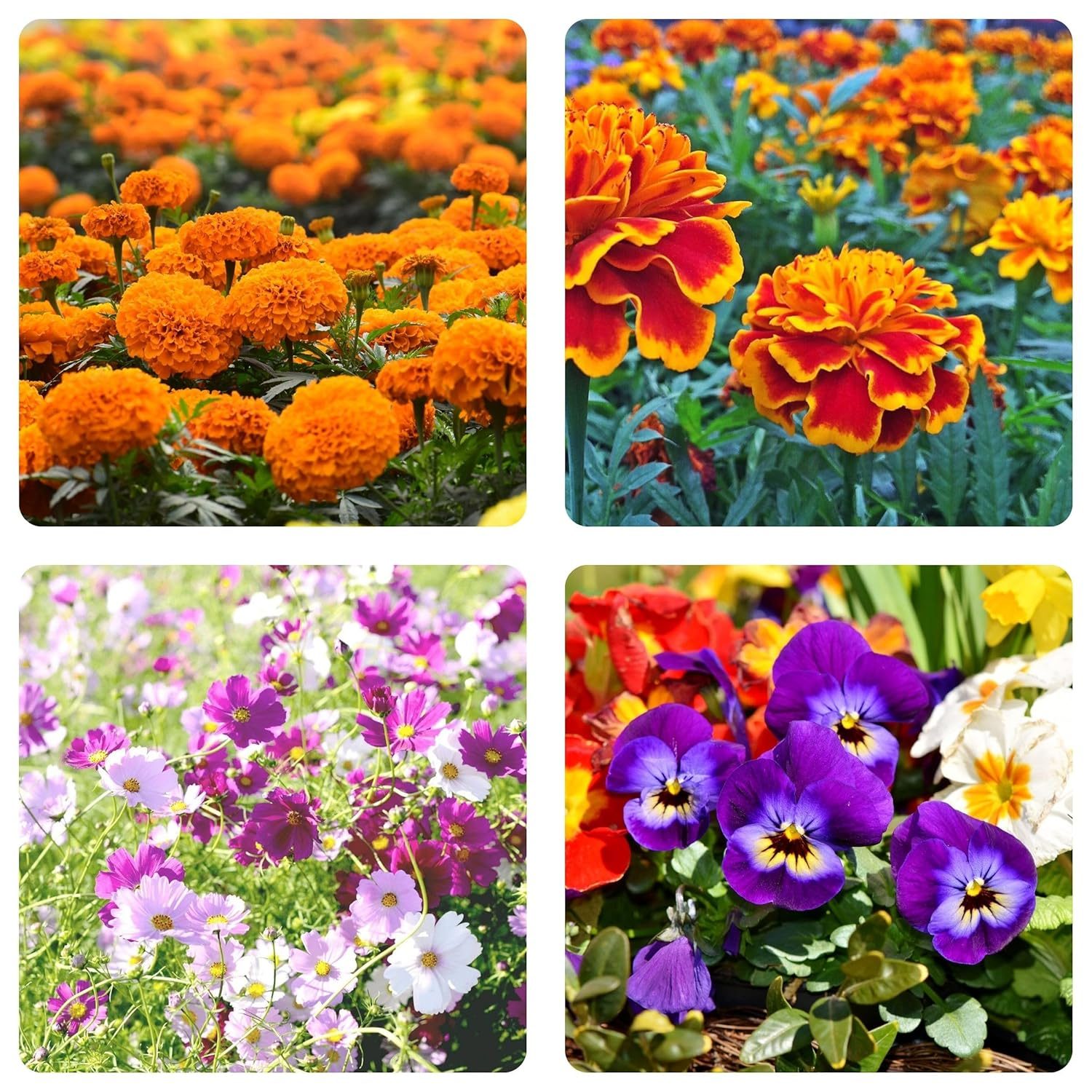
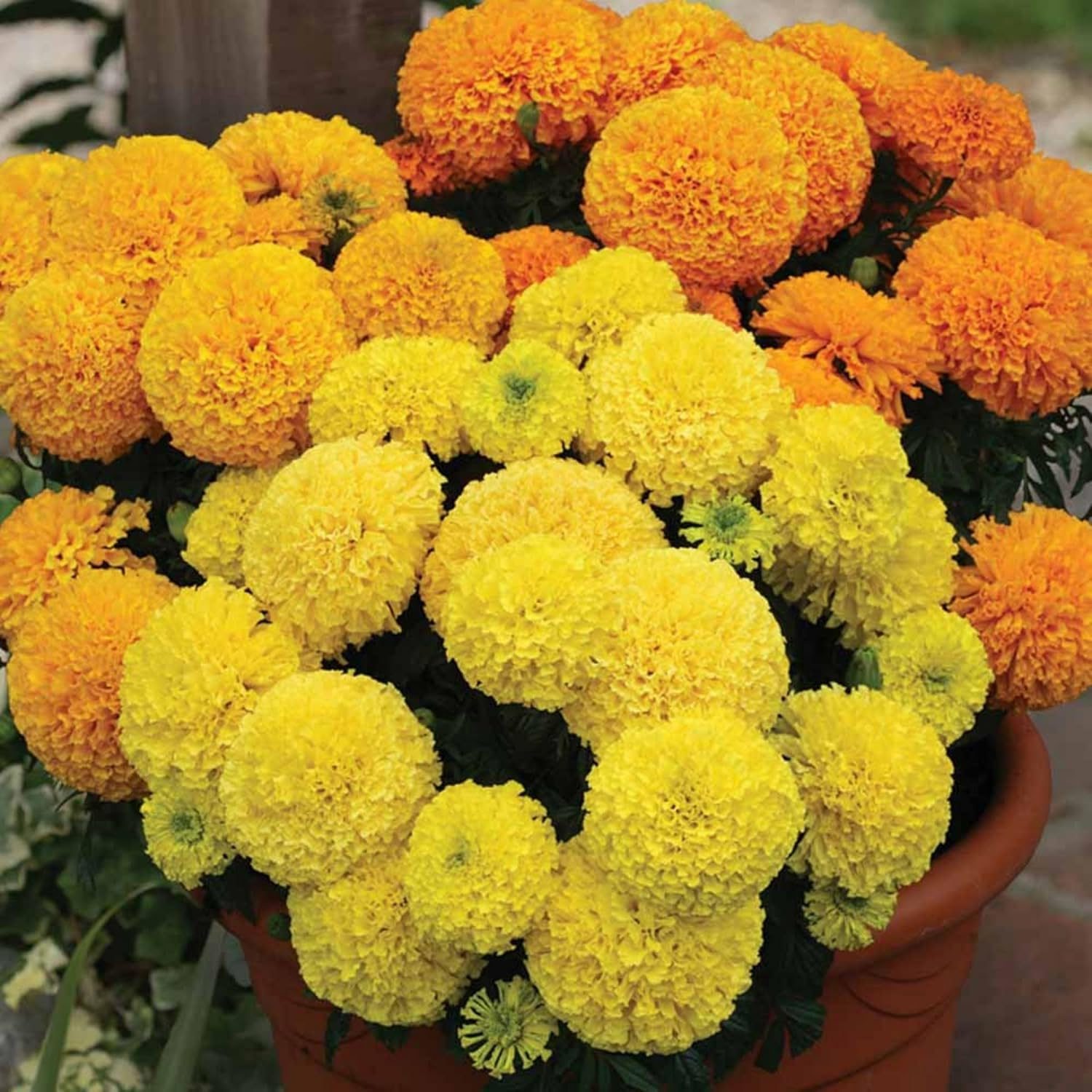
Flower Seeds Combo – African Marigold, French Marigold, Cosmos Seeds & Pansy Seeds – Easy-to-Grow, High-Germination Seed Combo for Home & Outdoor Planting
- 🌼 Premium Combo Pack: Includes African Marigold, French Marigold, Cosmos, and Pansy seeds for a colorful and vibrant garden.
- 🌿 High Germination Rate: Carefully selected seeds ensure quick and robust growth for successful gardening.
- 🌞 Easy to Grow: Perfect for beginners and experts alike, these seeds require minimal maintenance.
- 🦋 Attracts Pollinators: Encourage bees and butterflies to your garden with these beautiful blooms.
- 🌿 Versatile Planting: Suitable for home gardens, balcony planters, outdoor flower beds, and landscaping projects.
- 💧 Natural Pest Control: Marigold varieties help repel garden pests naturally.
- 🎨 Seasonal Delight: Brighten up your surroundings with flowers blooming across seasons.


Salvia Scarlet Sage Multicolour Salvia officinalis Flower Seed – 50 Seeds Pack
- Salvia seeds for gardening - Ensure a bountiful harvest and endless possibilities. Comes with groing instruction sheet.
- Easy Growing - Easy to grow a thriving garden in Indian climate conditions.
- Gow Anywhhere - Perfect for roof top garden, terrace garden, kitchen garden and balcony gardening.
- Stunning Blooms - The Scarlet Sage, with its intense mixed colour flowers, adds a dramatic burst of color to your garden. Its hue is a standout feature.
- Attracts Pollinators - This Salvia variety is a magnet for pollinators, including butterflies and hummingbirds, enhancing the biodiversity of your garden.
- Long-Blooming - Enjoy the beauty of Salvia flower for an extended period, as it produces an abundance of flowers throughout the growing season.
- Sowing Purposes: These seeds are intended for sowing purposes use only. Not for use of food, feed, or oil purposes.
- Stunning Blooms: The Scarlet Sage, with its intense mixed colour flowers, adds a dramatic burst of color to your garden. Its hue is a standout feature.
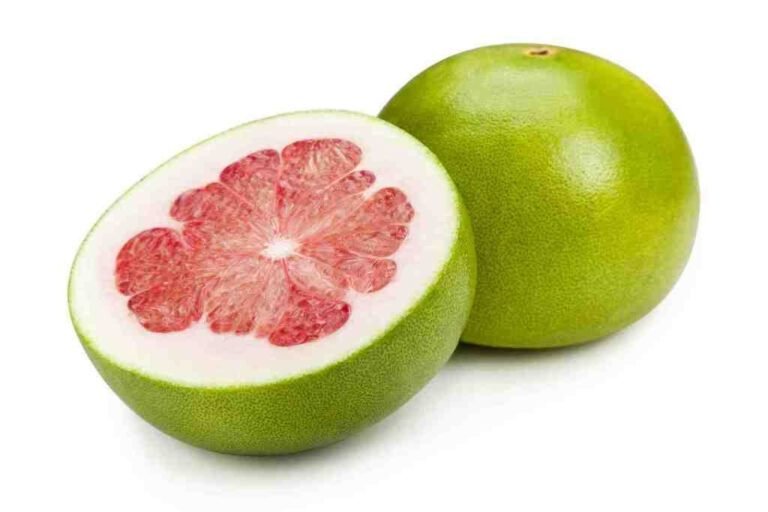
Live Dwarf Pomelo Lemon Citrus Maxima Batabi Fruit Plant
Original price was: ₹ 999.00.₹ 129.00Current price is: ₹ 129.00.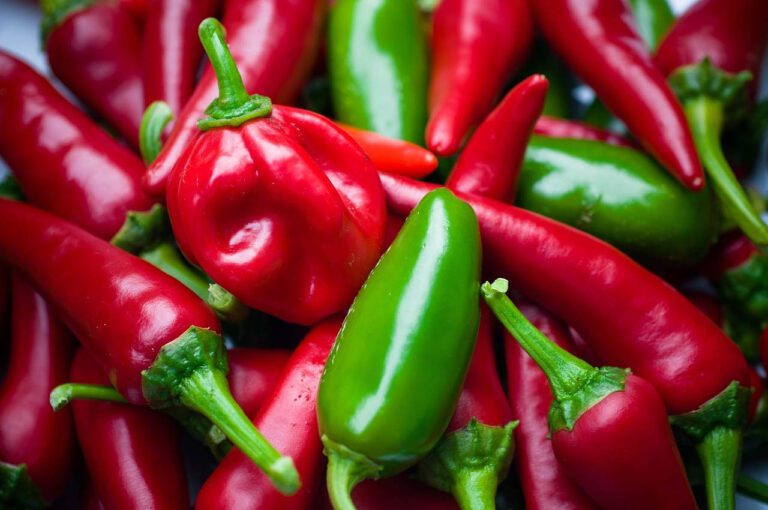
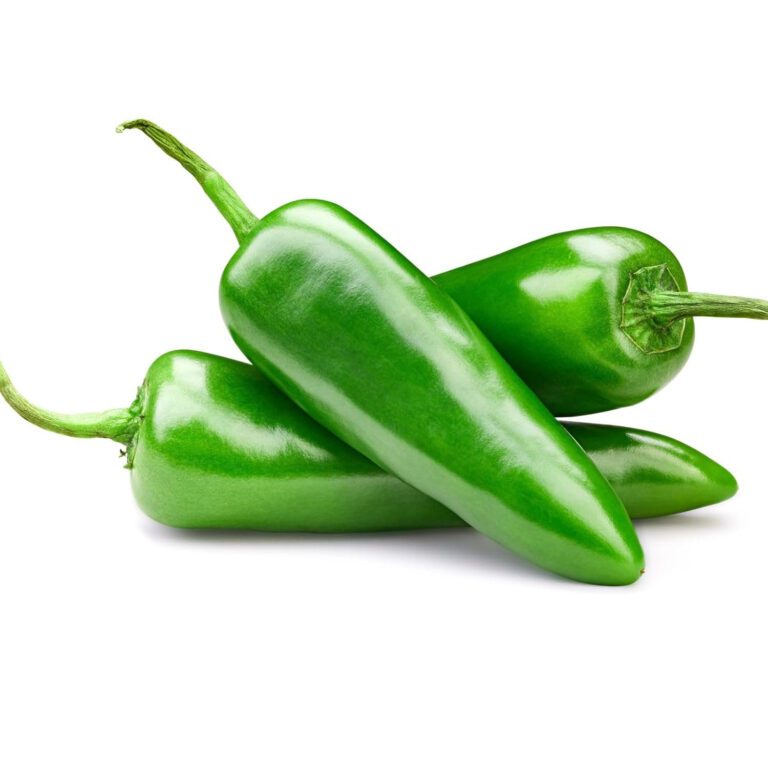
Hot Chilli Seeds Bullet 40 Seeds
Original price was: ₹ 199.00.₹ 49.00Current price is: ₹ 49.00.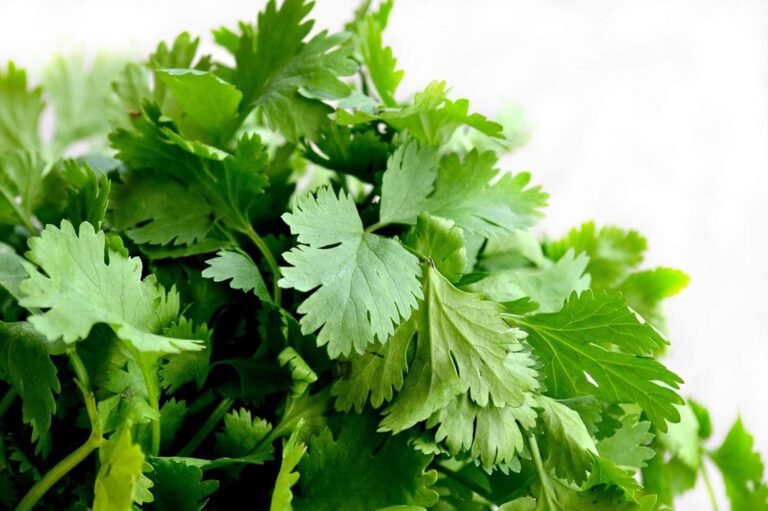
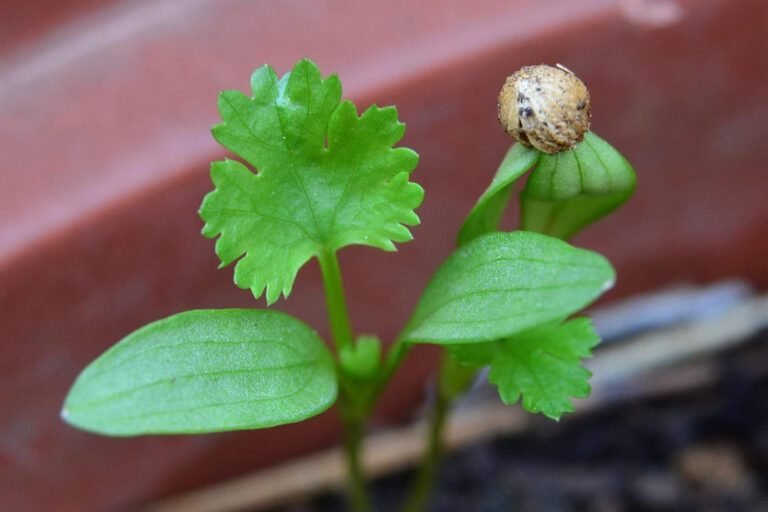
Coriander Seed, Cilantro, Chinese Parsley, Dhania Seed – Pack of 100 Seeds
Original price was: ₹ 199.00.₹ 49.00Current price is: ₹ 49.00.

Decoration wooden present
₹ 89.00
Nam gravida vulputate est venenatis eu at ullamcorper consectetur parturient suspendisse a elit lobortis ut convallis vestibulum vulputate nunc praesent mattis sem faucibus risus sociosqu.Dapibus curae a ac vestibulum a magnis ullamcorper orci a iaculis adipiscing augue a massa a torquent feugiat a. Scelerisque vestibulum.

Eames plastic side chair
₹ 99.00
Consequat a scelerisque suspendisse vel et eget eu vitae adipiscing nibh scelerisque semper cum adipiscing facilisis adipiscing est accumsan lorem vestibulum. Aliquet mus a aptent ullam corper metus accumsan. Habitasse a purus nec ipsum a urna ac ullamcorper varius metus blandit posuere.

Panton tunior chair
₹ 199.00
Placerat tempor dolor eu leo ullamcorper et magnis habitant ultrices consectetur arcu nulla mattis fermentum adipiscing a et bibendum sed platea malesuada eget vestibulum.
ALL FOR GARDEN
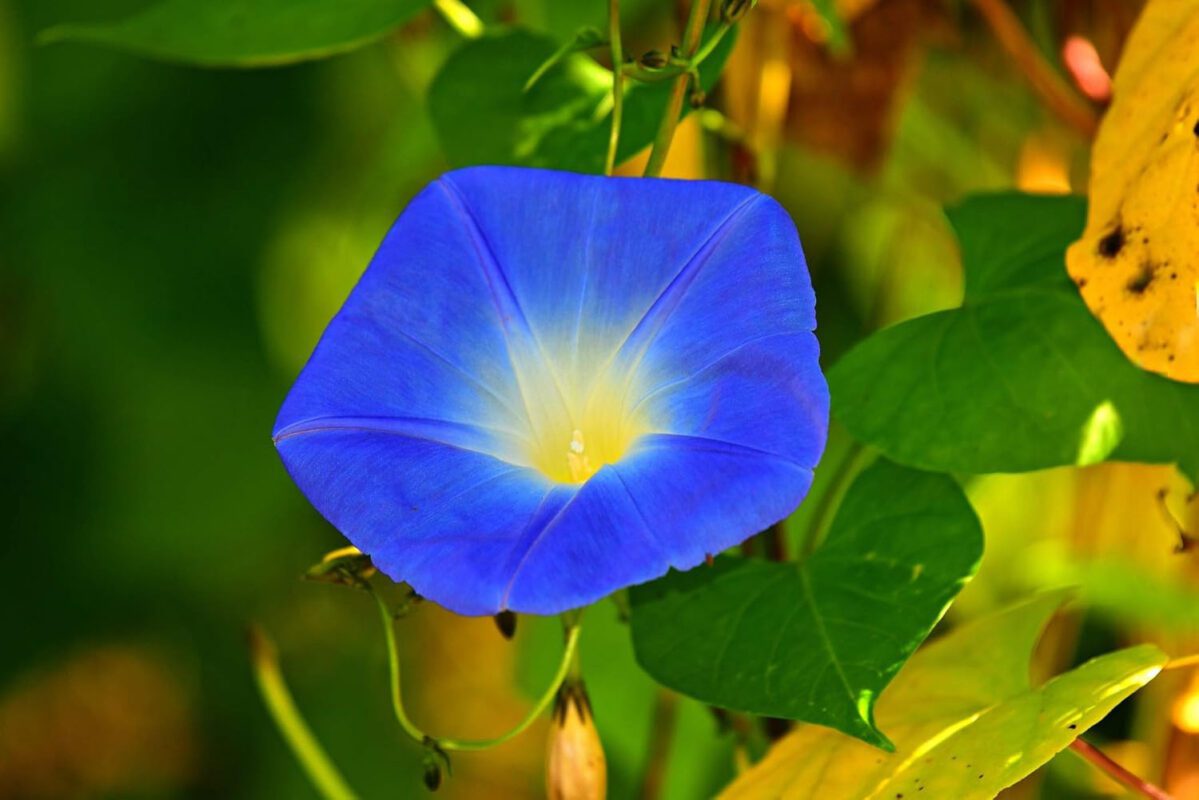
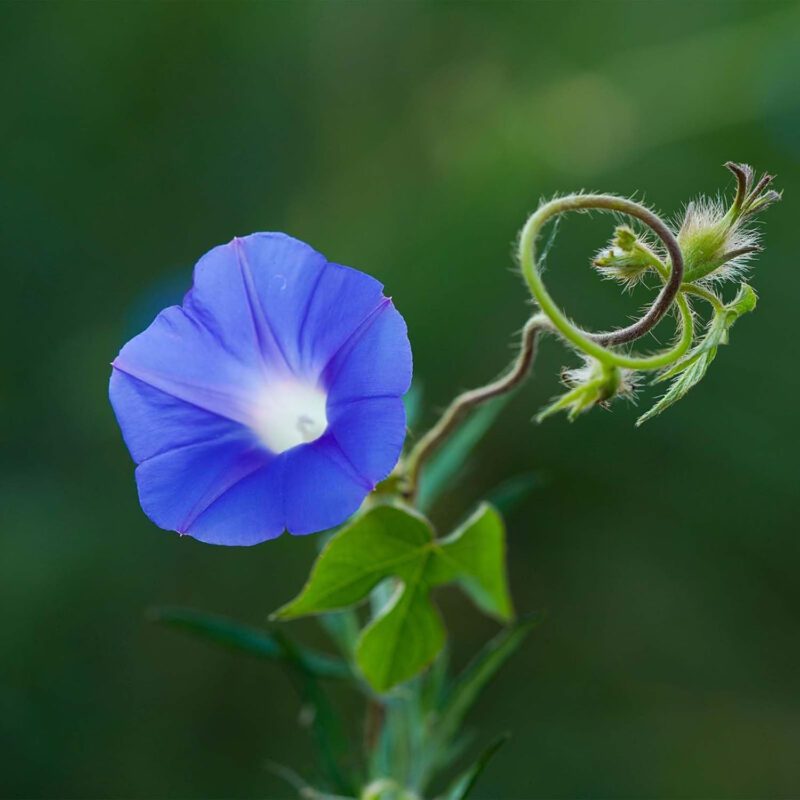
Nelesa Gardening Blue Morning Glory Seeds Ipomoea Seeds 15 seeds Pack
- Blue Morning Glory Elegance: Elevate your garden with Nelesa Gardening Blue Morning Glory Seeds, offering an enchanting display of celestial blue blossoms.
- 15 Seeds Pack: Abundant supply for cultivating a lush and vibrant garden; each pack contains 15 premium Ipomoea seeds.
- Rapid Growth Vines: Experience the beauty of fast-growing vines that quickly climb and cover trellises, fences, or arbors with stunning blue flowers.
- Attracts Butterflies and Hummingbirds: Create a lively ecosystem as the Blue Morning Glory blossoms attract colorful butterflies and hummingbirds to your garden.
- Low Maintenance Beauty: Enjoy the elegance of your garden effortlessly with low-maintenance Blue Morning Glory plants, ensuring a hassle-free and stunning outdoor space.
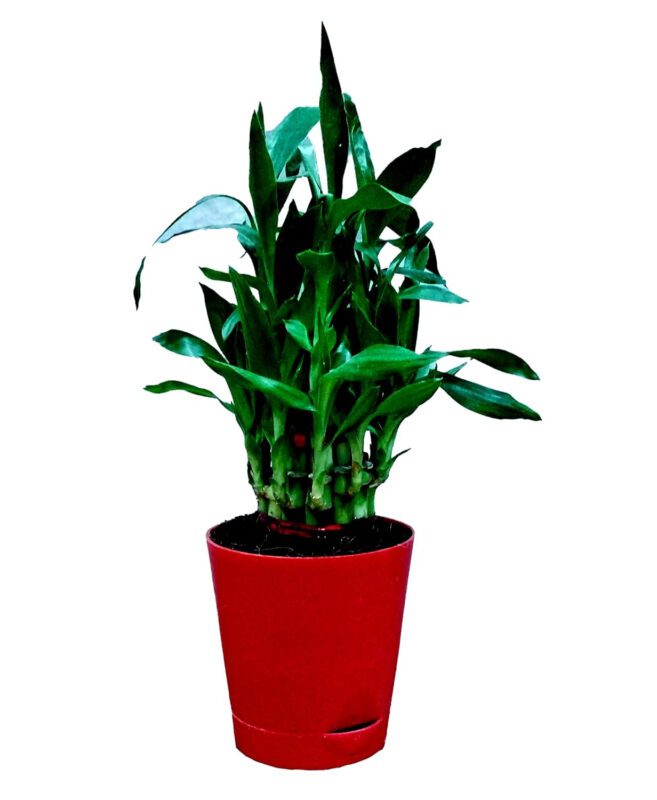
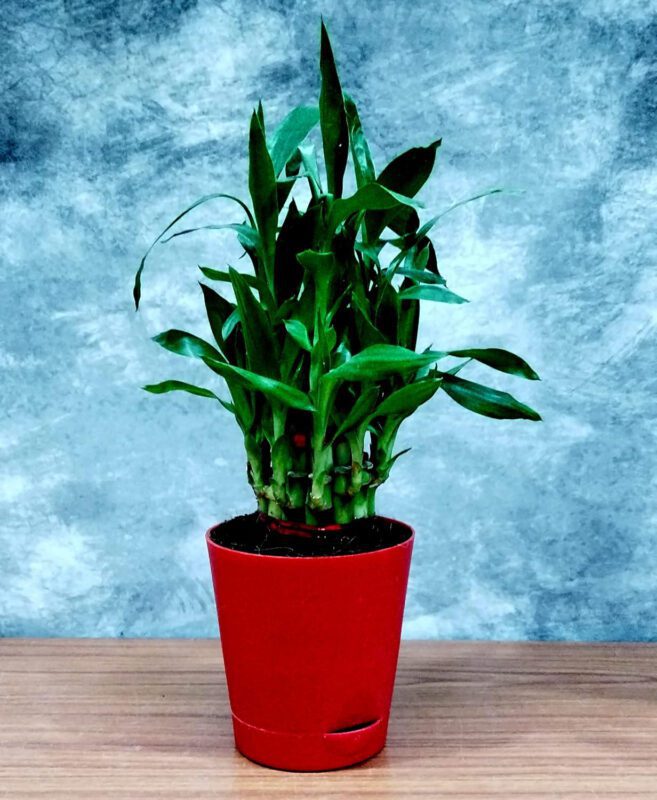
Air Purifying Good Luck 2 Layer Lucky Bamboo Plant in Red Self Pot
- 2 Layer Lucky Bamboo Plant in Red Self Watering Pot for Table top or Desktop,
- Two Layer Lucky Bamboo plants are indoor plants, easy for caring,
- Care for Lucky Bamboo Plant: Keep medium moist and avoid direct sunlight, keep it in bright indirect sunlight,
- Add water every week with RO water from water filter. Don't use any tap water,
- These Lucky Bamboo Plants are healthy, beautiful with full roots with light green leaves,
- Lucky Bamboo Plant Benefits: People say it brings Positive effect! Lucky Bamboo Plant is an expression of love and is also said it can multiply luck,
- Plant Details : 4 Inch in height,
- Pot Details : 4 Inch height & 4 Inch Wide | Color : Red | Shape : Round | Material : Plastic,
- Pot Details : 4 Inch height & 4 Inch Wide | Color : Red | Shape : Round | Material : Plastic,
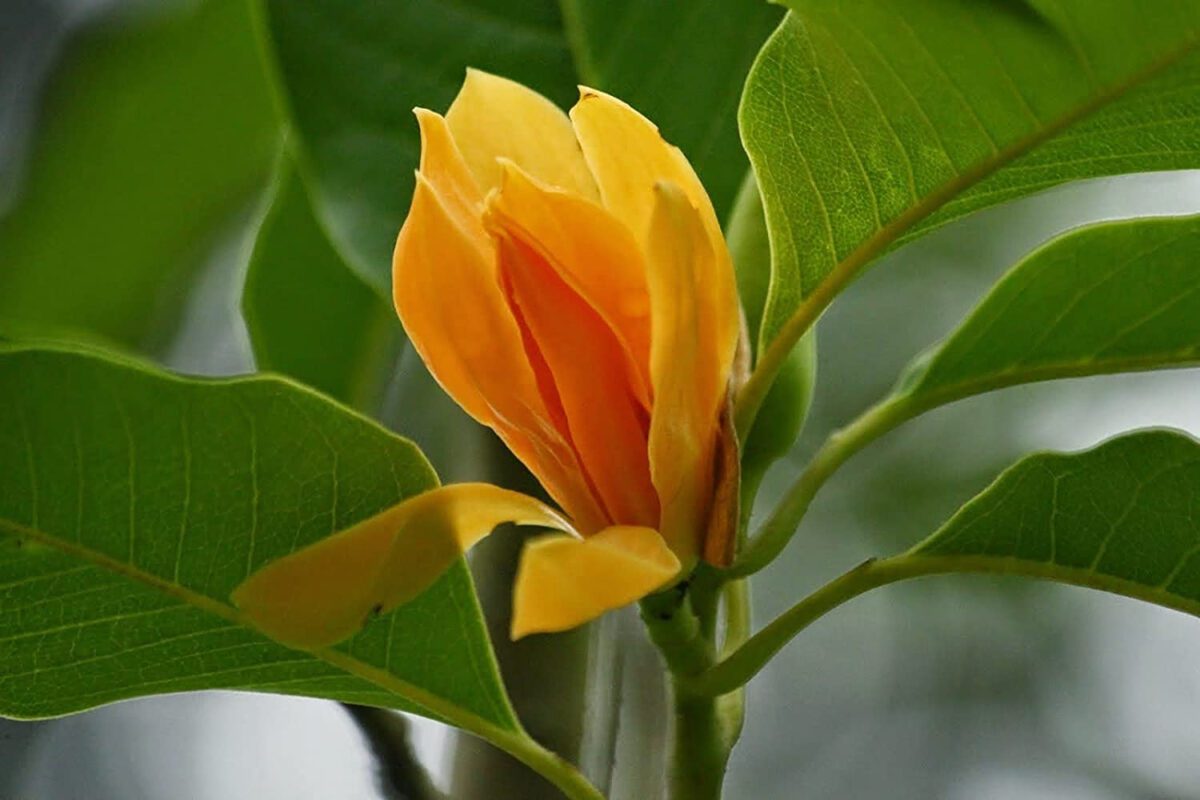
Orange Son Champa Michelia Plant
- Diverse Selection for Every Preference: Immerse yourself in the world of Son Champa plants with our array of choices – from live, grafted, to the captivating red Michelia Champaca varieties. This ensures your garden vision is realized with options that match both aesthetics and growth needs.
- Aromatic Symphony of Orange Michelia: Indulge your senses in the exquisite scent of Michelia Champaca, affectionately known as Orange Michelia. Let its fragrant notes fill the air, turning your garden into a harmonious oasis of relaxation and delight.
- Botanical Artistry in Every Petal: The Son Champa plant brings an unparalleled touch of elegance to your garden canvas. Its vibrant hues and gracefully flowing foliage create a living masterpiece that showcases nature's artistry in full bloom.
- Grafted Marvels of Growth: Opt for our grafted Son Champa plants to fast-track your garden's transformation. Witness the magic of skillful grafting as these plants display unique growth patterns, adding an element of fascination to your outdoor haven.
- Orange Michelia's Allure: Infuse your landscape with the captivating allure of orange Michelia Champaca blooms. Against a backdrop of lush greenery, these striking flowers stand as a testament to nature's captivating palette, drawing attention with their bold and dramatic presence.
- Nurturing as a Pathway to Connection: Cultivate more than just a garden – nurture a profound connection with the environment. As you care for Son Champa plants, you'll come to appreciate the delicate interplay of life and growth, deepening your bond with the natural world.
- A Garden Transformed: Envision your garden transformed into an enchanting oasis adorned with the fragrant allure, vivid colors, and timeless elegance of Son Champa plants. Elevate your outdoor space into a realm of tranquility and visual splendor that beckons relaxation and admiration.
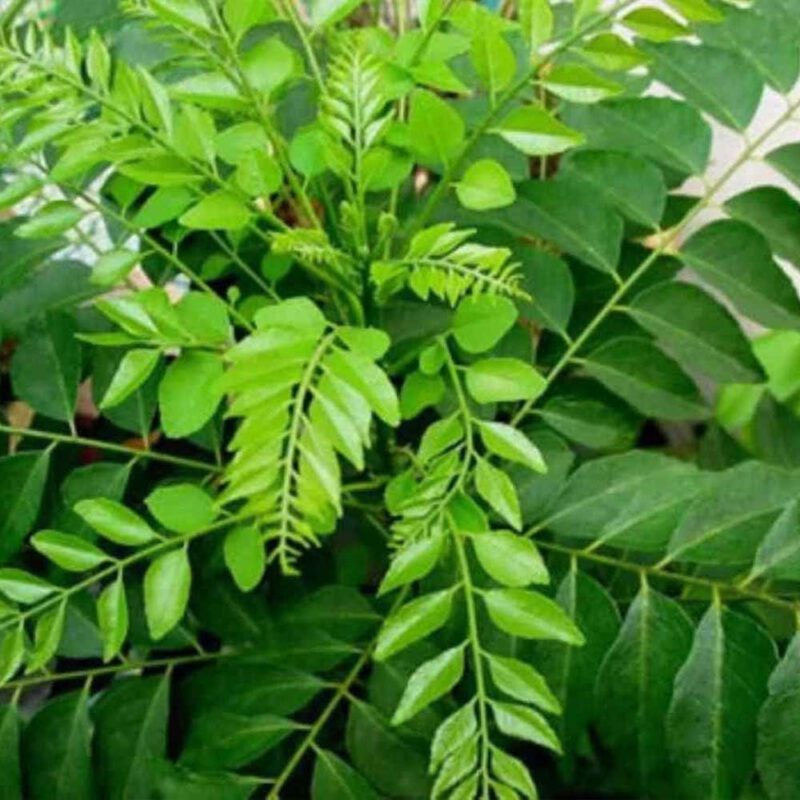
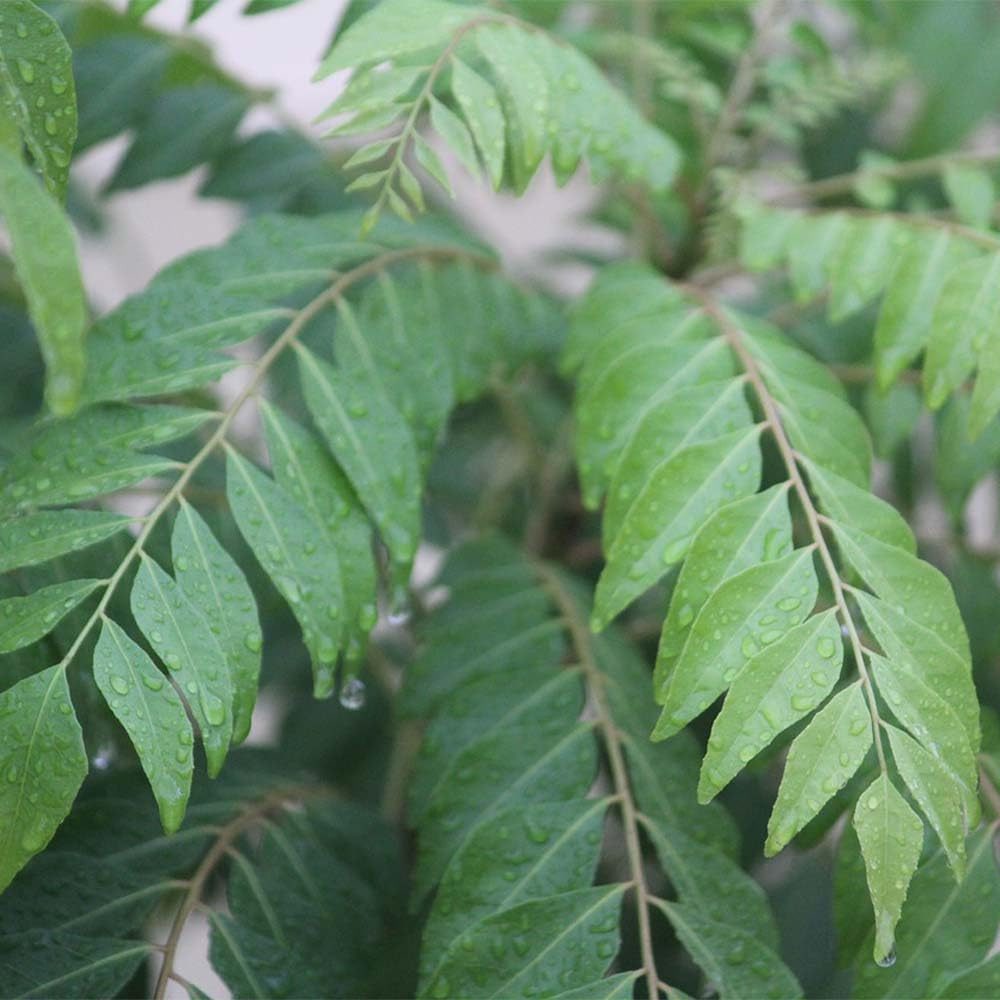
Live Curry Leaf Plant – Curry Patta Plant – Aromatic Herb for Fresh Culinary Adventures
- Garden Fresh Curry Leaves from Curry Leaf Plant: Elevate your cooking with the freshest curry leaves, straight from your garden.
- Live Herb Convenience: Harvest Leaves from curry patta plant as needed, and savor the flavor of freshly picked curry leaves.
- Handpicked for Excellence: Receive a healthy live curry plant, ready to thrive in your garden.
- Gardening Made Simple: Easily grow this aromatic herb, even if you're new to gardening.
- Authentic Curry Aroma: Fill your garden with the delightful scent of this live curry plant.
- Versatile Culinary Herb: Use the leaves in various dishes, from curries to chutneys.
- Create Flavorful Meals: Experiment with bold and aromatic flavors in your home-cooked meals.
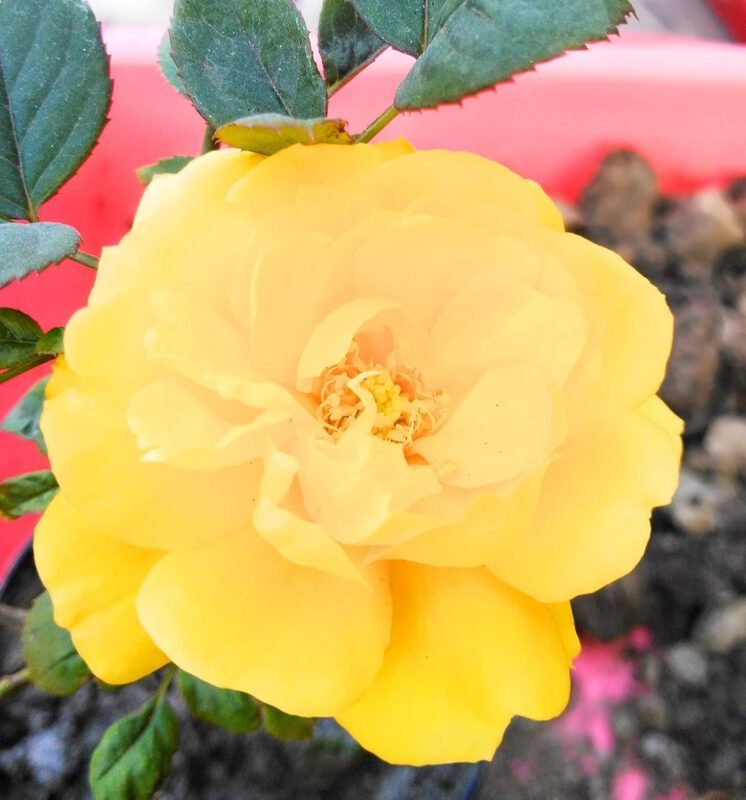
Orange Rose Plant
- Unique Hybrid: These yellow roses are not your ordinary ones. They are a hybrid variety, carefully bred for their captivating beauty and resilience.
- Easy to Grow: You don't need a green thumb to cultivate these beauties. Our Yellow Rose Plant Hybrid is low-maintenance, making it ideal for both experienced and novice gardeners.
- Vibrant Blooms: Enjoy a continuous display of radiant yellow blooms throughout the growing season.
- Versatile: Whether you want to plant them in your garden or use them as cut flowers for your home, our Yellow Rose Plant Hybrid fits every purpose.
- Symbol of Love: Yellow roses are traditionally associated with friendship and joy. Give the gift of these roses to express your love and affection.
- Grow Anywhhere: Perfect for roof top garden, terrace garden, kitchen garden and balcony gardening
- Complete Customer Support: We're here to help you succeed in your gardening journey.


SPECIAL OFFER
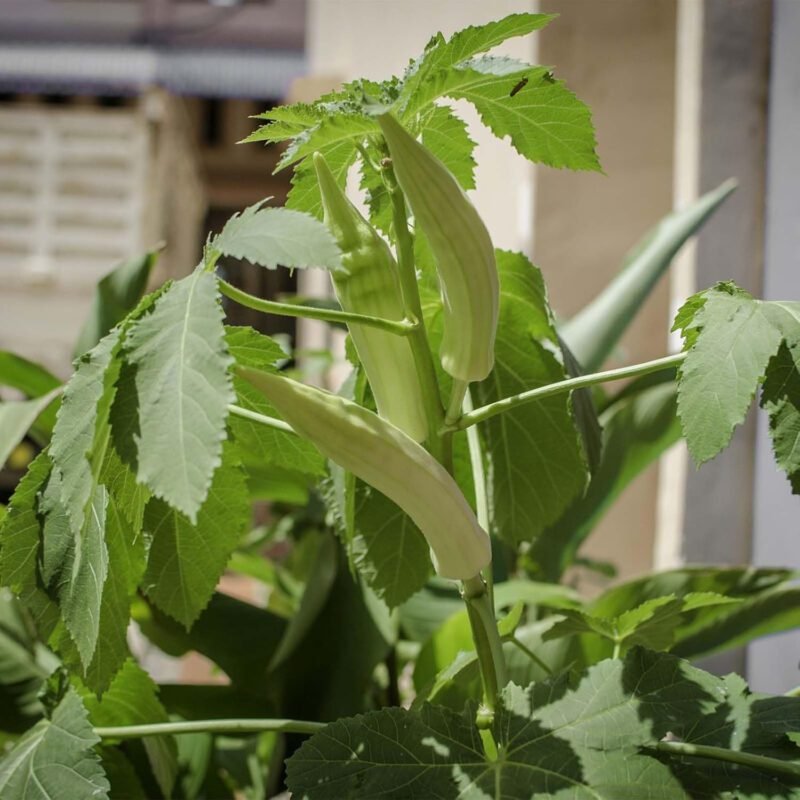
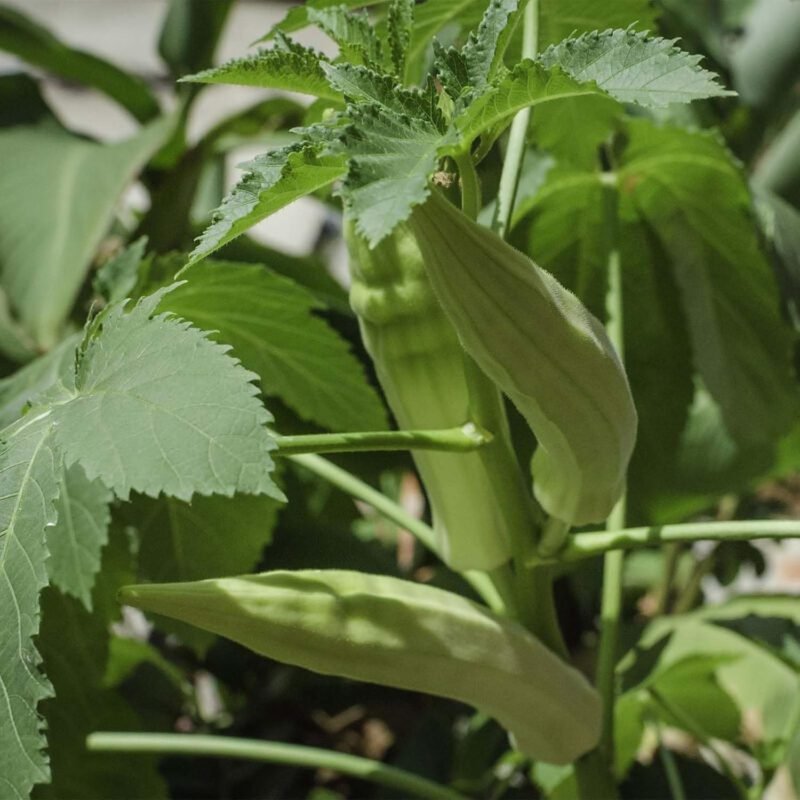
Vegetable Okra Ladies Finger Vendi Bhindi Seed – 30 Seeds Pack
- Nutrient-Packed Okra Seeds: Cultivate a garden of nutrition with Nelesa Gardening Okra Ladies Finger Vendi Vindi Seeds, providing a wholesome source of vitamins, minerals, and fiber.
- 30 Seeds Pack: Abundant supply for cultivating a thriving garden; each pack contains 30 high-quality Okra Ladies Finger Vendi Vindi Seeds for continuous and bountiful harvests.
- Adaptable Growing Conditions: Thrive in diverse climates and soil types, making these seeds suitable for gardens, containers, or raised beds.
- Culinary Versatility: Elevate your cooking with the versatile addition of Okra, known as Ladies Finger or Vendi Vindi, perfect for stir-fries, curries, soups, and stews.
- Easy-to-Grow: Whether you're an experienced gardener or a beginner, Nelesa Gardening Okra Ladies Finger Vendi Vindi Seeds come with user-friendly planting instructions, ensuring a successful and enjoyable cultivation experience.

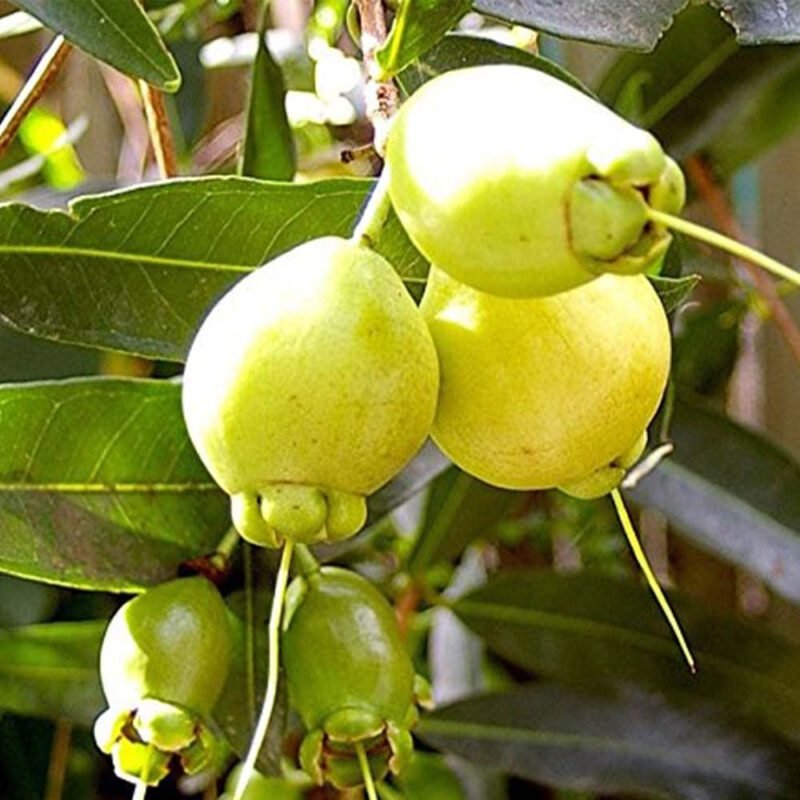
Nelesa Gardening Live Rose Apple Gulab Jamun Syzygium Jambos Fruit Plant
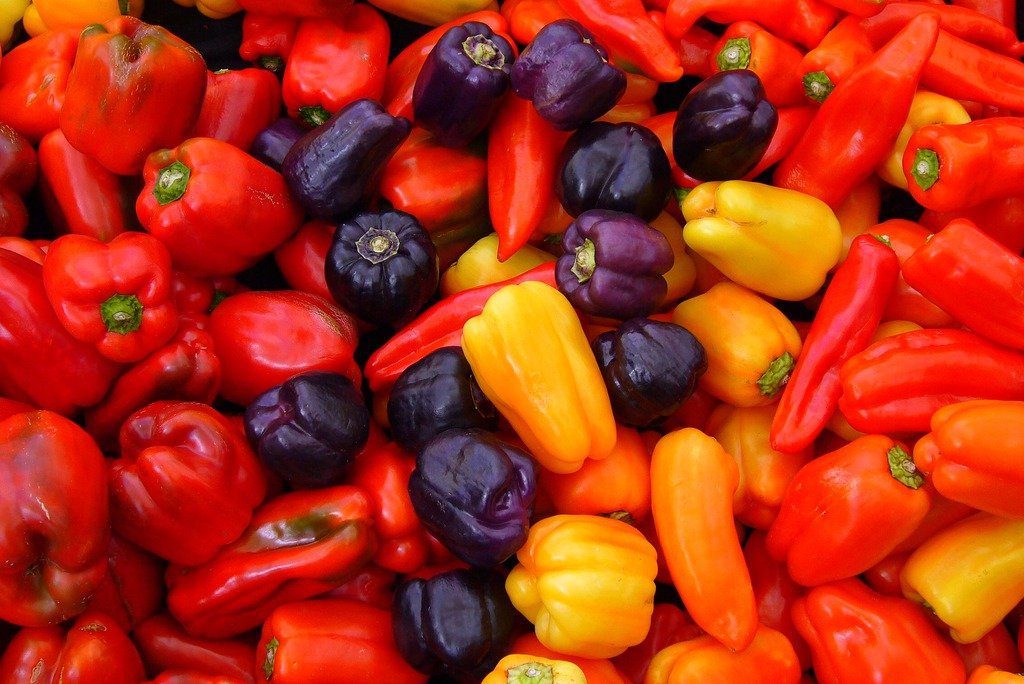
Capcicum Bell Pepper Shimala Mirch Mix Colour Seeds 20 Seeds
- Fresh Green Bell Peppers: Cultivate a garden of fresh and crisp green bell peppers with Nelesa Gardening Green Capsicum Bell Pepper Shimala Mirch Seeds.
- 20 Seeds Pack: Abundant supply for cultivating a flourishing garden; each pack contains 20 premium Green Capsicum Bell Pepper Shimala Mirch Seeds.
- Adaptable Growing Conditions: Thrive in diverse climates and environments, making these seeds suitable for gardens, containers, or raised beds.
- Nutrient-Rich Harvest: Enjoy the wholesome goodness of homegrown produce with nutrient-rich green bell peppers, packed with vitamins A and C.
- Easy-to-Grow: Whether you're a seasoned gardener or a beginner, Nelesa Gardening Green Capsicum Bell Pepper Shimala Mirch Seeds come with user-friendly planting instructions, ensuring a successful and enjoyable cultivation experience.
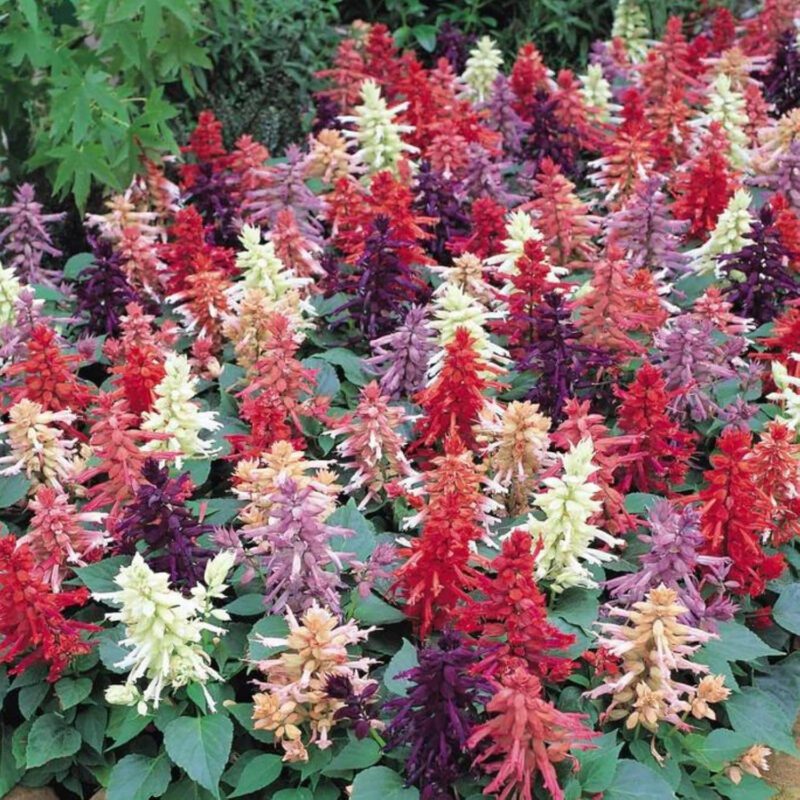
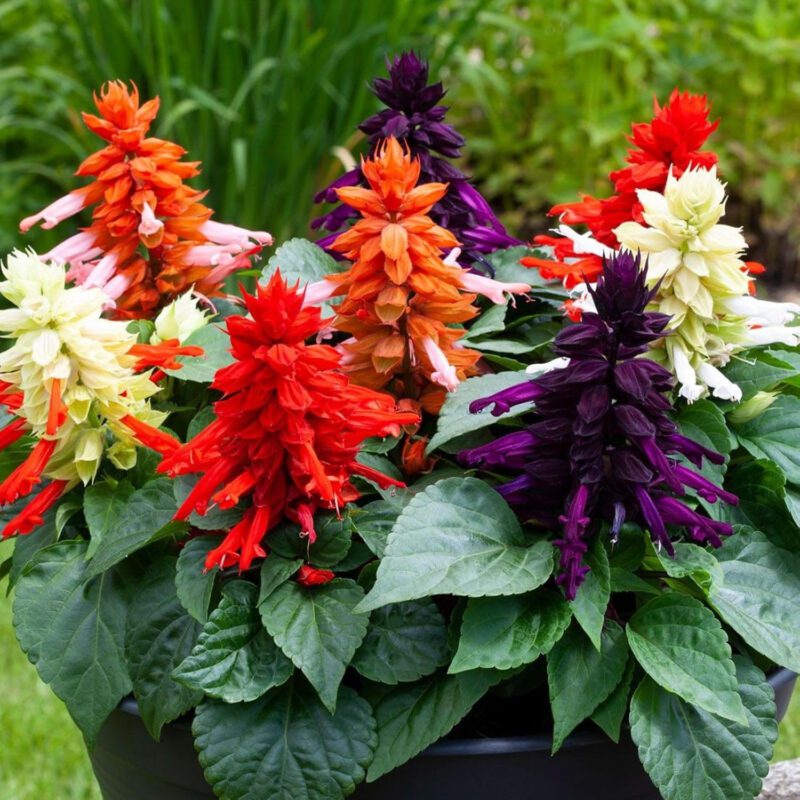
Nelesa Gardening Salvia Scarlet Sage Multicolour Salvia officinalis Flower Seed – 50 Seeds Pack
- Salvia seeds for gardening - Ensure a bountiful harvest and endless possibilities. Comes with groing instruction sheet.
- Easy Growing - Easy to grow a thriving garden in Indian climate conditions.
- Gow Anywhhere - Perfect for roof top garden, terrace garden, kitchen garden and balcony gardening.
- Stunning Blooms - The Scarlet Sage, with its intense mixed colour flowers, adds a dramatic burst of color to your garden. Its hue is a standout feature.
- Attracts Pollinators - This Salvia variety is a magnet for pollinators, including butterflies and hummingbirds, enhancing the biodiversity of your garden.
- Long-Blooming - Enjoy the beauty of Salvia flower for an extended period, as it produces an abundance of flowers throughout the growing season.
- Sowing Purposes: These seeds are intended for sowing purposes use only. Not for use of food, feed, or oil purposes.
- Stunning Blooms: The Scarlet Sage, with its intense mixed colour flowers, adds a dramatic burst of color to your garden. Its hue is a standout feature.
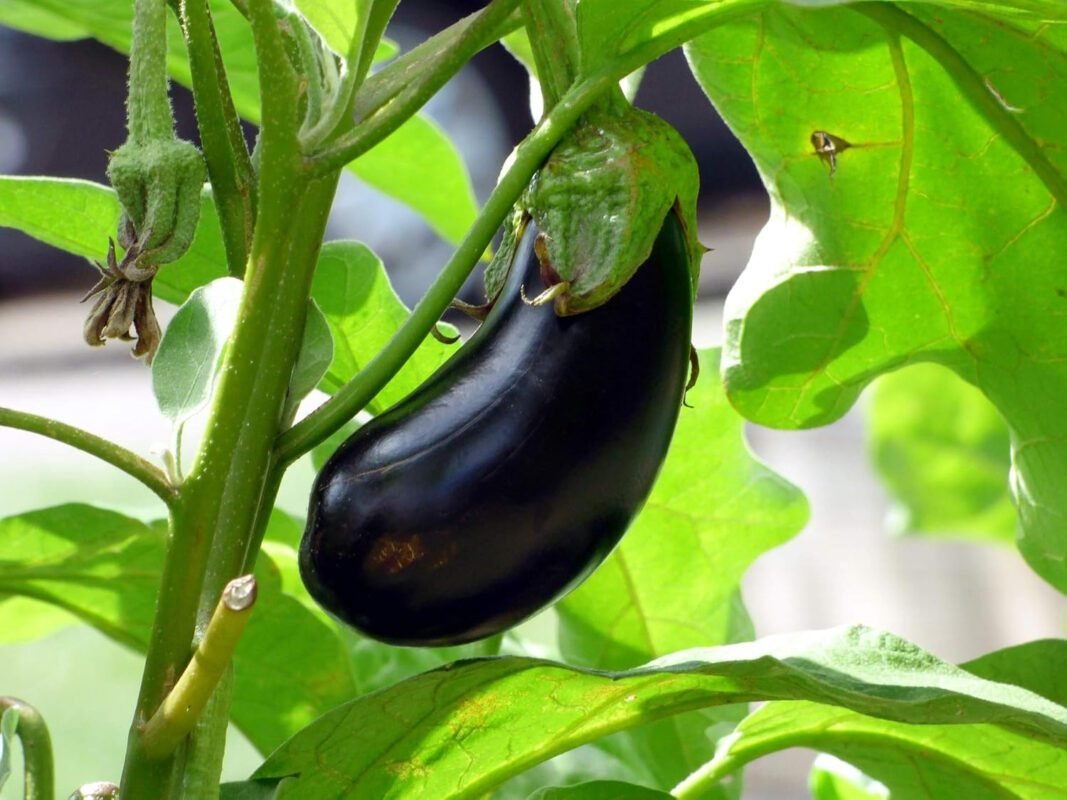
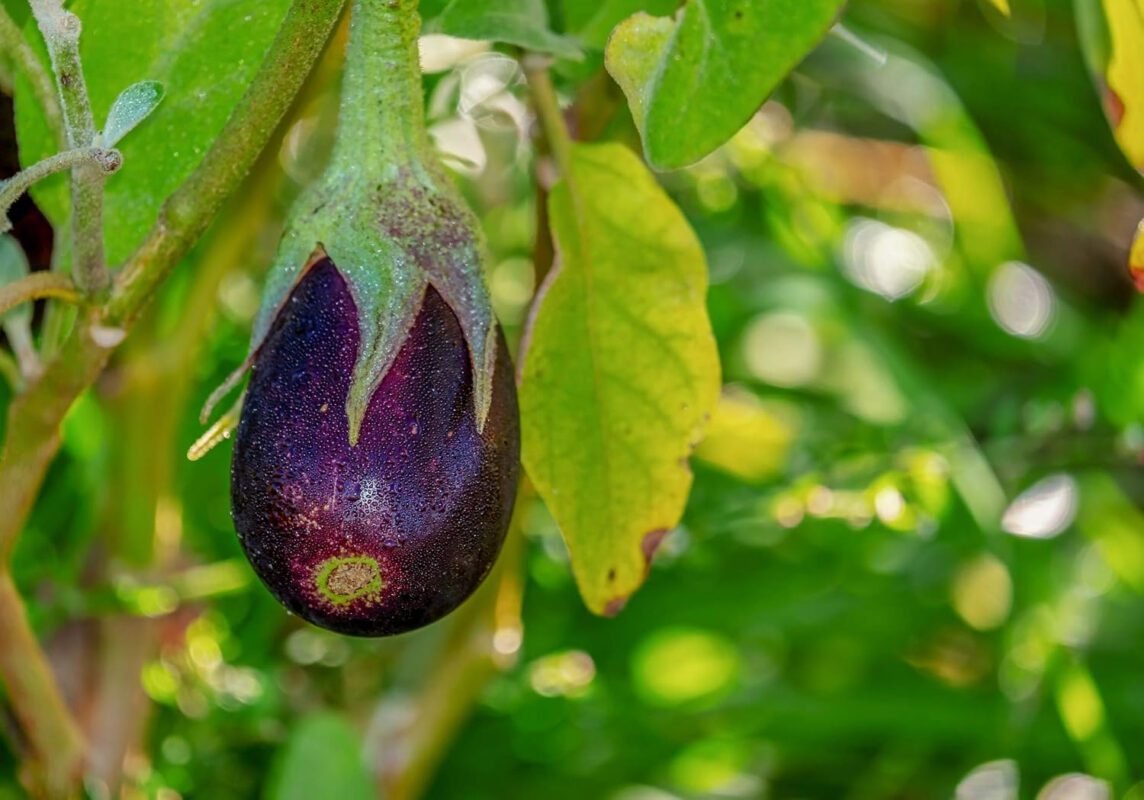
Nelesa Gardening Brinjal Black Big Eggplant Seeds 50 seeds
Orange Son Champa Michelia Plant
- Diverse Selection for Every Preference: Immerse yourself in the world of Son Champa plants with our array of choices – from live, grafted, to the captivating red Michelia Champaca varieties. This ensures your garden vision is realized with options that match both aesthetics and growth needs.
- Aromatic Symphony of Orange Michelia: Indulge your senses in the exquisite scent of Michelia Champaca, affectionately known as Orange Michelia. Let its fragrant notes fill the air, turning your garden into a harmonious oasis of relaxation and delight.
- Botanical Artistry in Every Petal: The Son Champa plant brings an unparalleled touch of elegance to your garden canvas. Its vibrant hues and gracefully flowing foliage create a living masterpiece that showcases nature's artistry in full bloom.
- Grafted Marvels of Growth: Opt for our grafted Son Champa plants to fast-track your garden's transformation. Witness the magic of skillful grafting as these plants display unique growth patterns, adding an element of fascination to your outdoor haven.
- Orange Michelia's Allure: Infuse your landscape with the captivating allure of orange Michelia Champaca blooms. Against a backdrop of lush greenery, these striking flowers stand as a testament to nature's captivating palette, drawing attention with their bold and dramatic presence.
- Nurturing as a Pathway to Connection: Cultivate more than just a garden – nurture a profound connection with the environment. As you care for Son Champa plants, you'll come to appreciate the delicate interplay of life and growth, deepening your bond with the natural world.
- A Garden Transformed: Envision your garden transformed into an enchanting oasis adorned with the fragrant allure, vivid colors, and timeless elegance of Son Champa plants. Elevate your outdoor space into a realm of tranquility and visual splendor that beckons relaxation and admiration.

Kids Garden Swing – Enjoy Outdoor Fun Safely

Kids Garden Swing: The Ultimate Guide for Fun and SafetyA kids garden swing is more than just a toy. It is a source ...
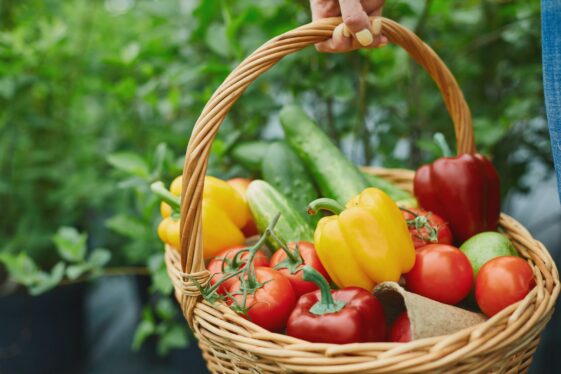
How to Start an Organic Kitchen Garden at Home – Beginner’s Guide
Imagine walking outside your door, plucking fresh vegetables, and knowing exactly how they were grown—free from harmful ...
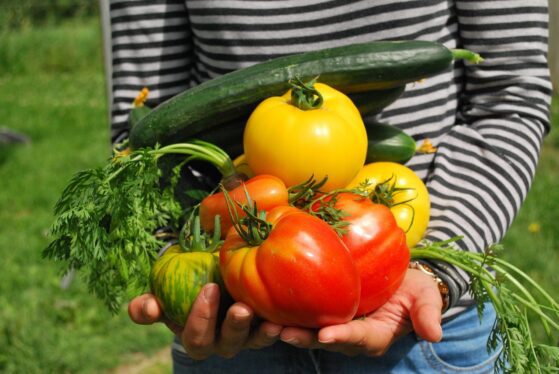
10 Easy Vegetables to Grow in Your Kitchen Garden at Home
Easy Vegetables to Grow - There’s something magical about stepping into your own garden, plucking a handful of fresh veg...
Exploring Atlanta’s modern homes
Vivamus enim sagittis aptent hac mi dui a per aptent suspendisse cras odio bibendum augue rhoncus laoreet dui praesent s...