


SALE PRODUCTS
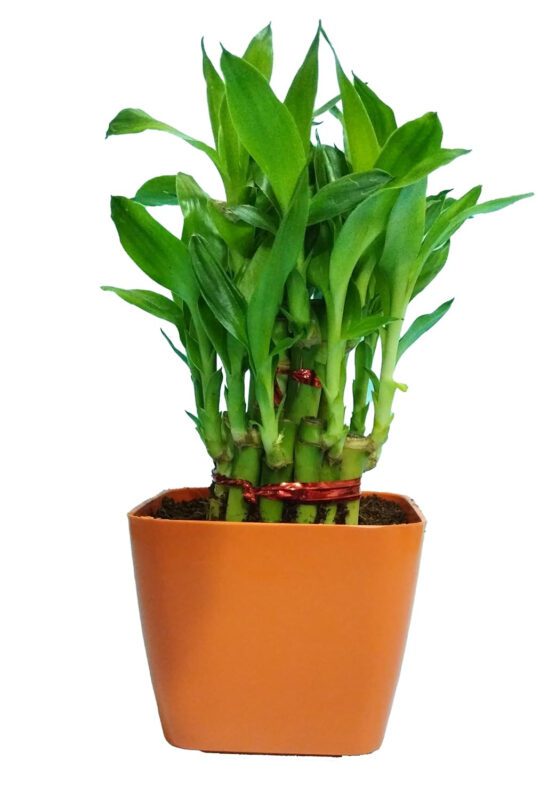
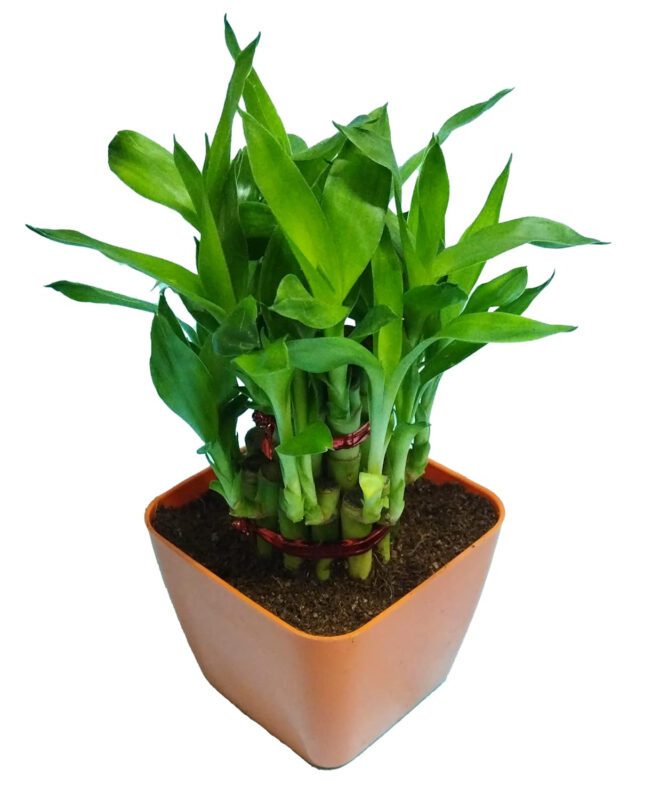
2 Layer Lucky Bamboo Plant in Orange Plastic Pot
- Live 2 Layer Lucky Bamboo Plant in Orange Plastic Pot for Table top or Desktop
- Lucky Bamboo plants are indoor plants, easy for caring, no fertilizer required.
- Care for Lucky Bamboo Plant: Keep roots always moist and avoid direct sunlight, keep it in bright light.
- Add Slow release fertilizer regularly. Water with RO water from water filter. Don't use any tap water.
- These Lucky Bamboo Plants are healthy, beautiful with full roots with light green leaves.
- Lucky Bamboo Plant Benefits: People say it brings Positive effect! Lucky Bamboo Plant is an expression of love and is also said it can multiply luck.
- Plant Details : 5 Inch in height
- Pot Details : 4 Inch height & 3.5 Inch Wide | Color : Orange | Material : Plastic
- Package Contents: 1 Unit of Plant, 1 Unit of Pot
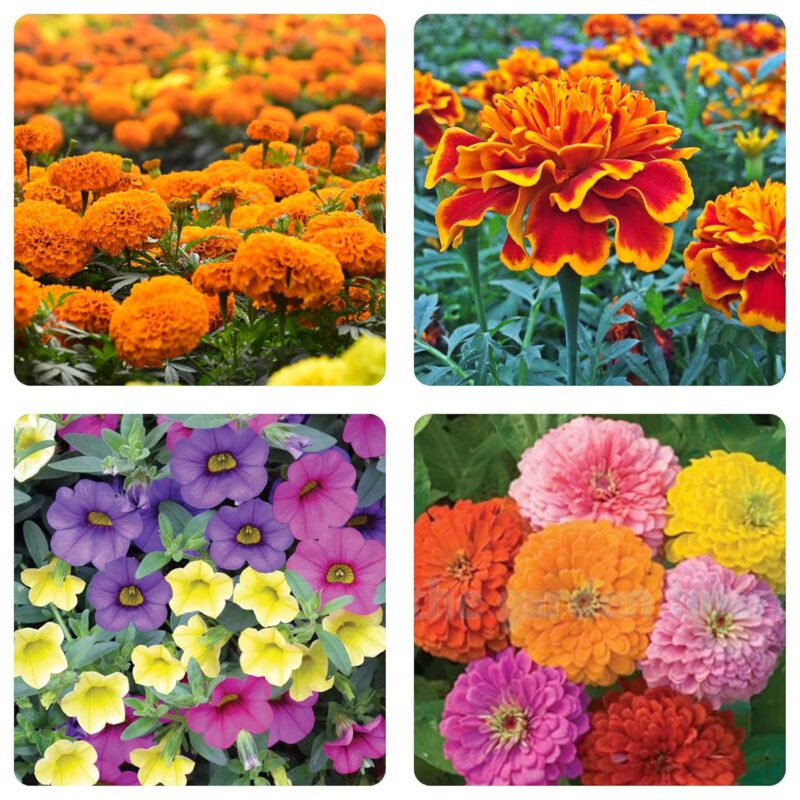
4 Varieties – Flower Seeds Combo Pack -50 African Marigold, 50 French Marigold, 50 Petunia, 50 Zinnia Seeds | Total 200 Seeds for Home
- 🌼 Premium Flower Seeds Combo Pack: Includes 50 seeds each of African Marigold, French Marigold, Petunia, and Zinnia.
- 🌞 Easy to Grow: Perfect for beginners and experienced gardeners, suitable for pots, garden beds, and hanging baskets.
- 🌸 Bright and Vibrant Blooms: Add colorful, long-lasting flowers to your garden, balcony, or indoor spaces.
- 🐝 Pollinator-Friendly: Attract bees and butterflies to support a healthy garden ecosystem.
- 🛡️ Natural Pest Control: Marigolds act as natural pest repellents, protecting your garden.
- 🌿 Versatile Gardening: Ideal for outdoor gardens, balcony decorations, and indoor planters.
- ✅ High Germination Rate: Seeds are carefully selected to ensure quality and fast growth.
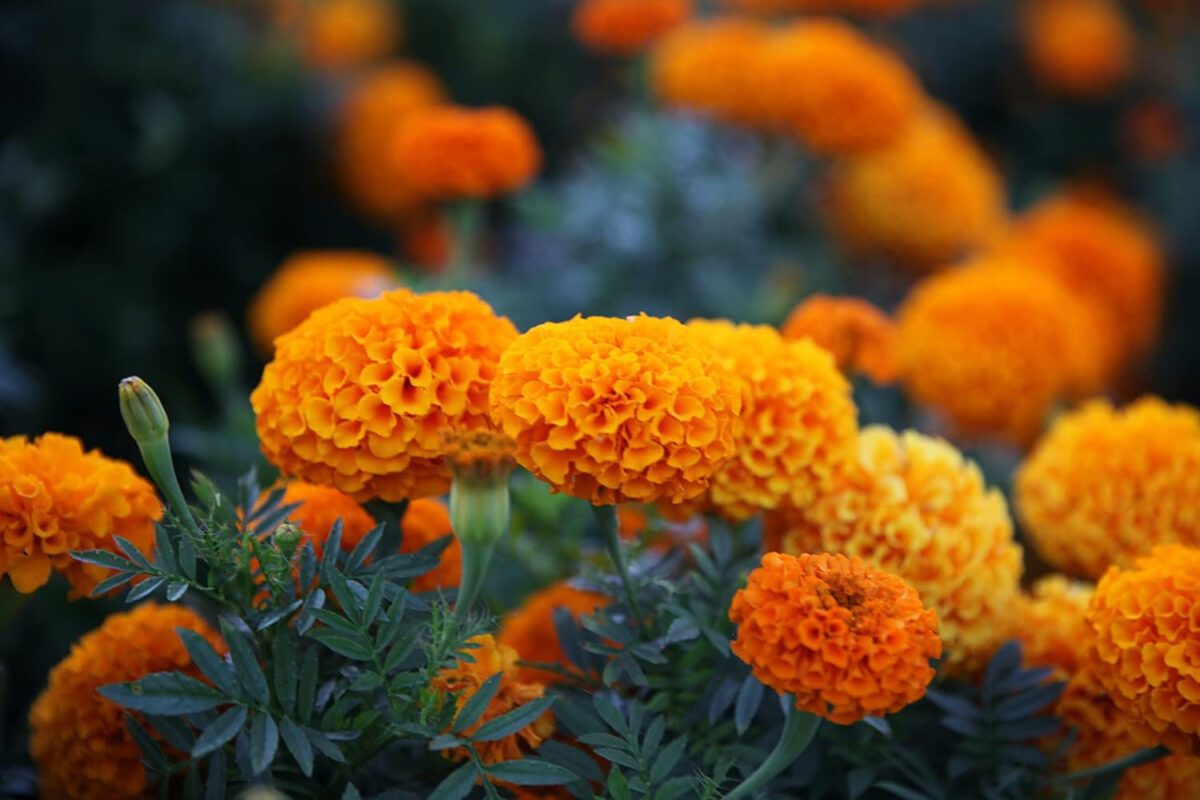
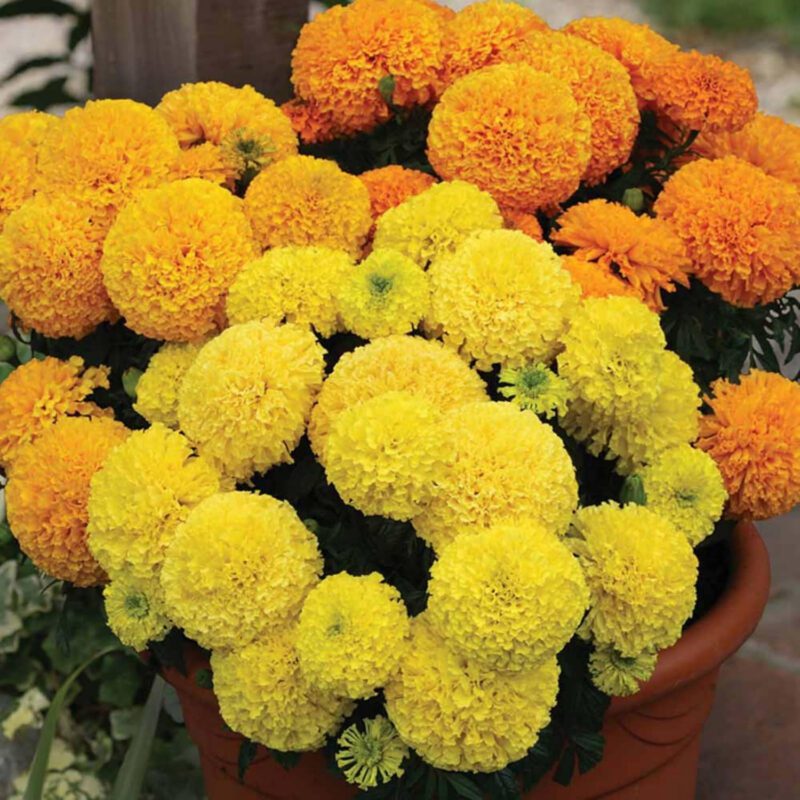
African Marigold Crackjack Inca Mix Seed – 50 Seeds Pack
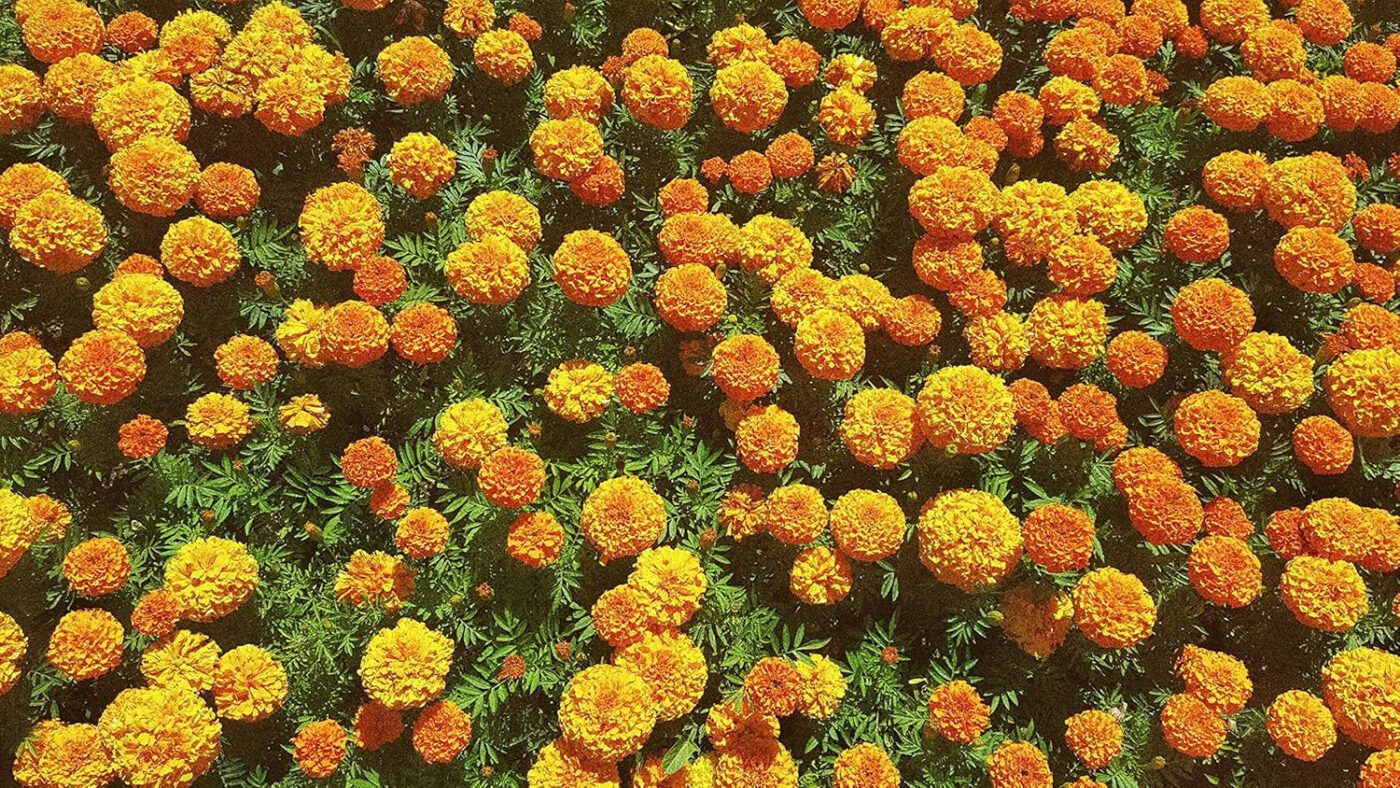
- African Marigolds (Tagetes erecta) are known for their vibrant and striking colors. They produce large, pom-pom-like flowers in shades of yellow, orange, and gold. Their bright colors make them a popular choice for adding a pop of color to gardens and floral arrangements.
- African Marigolds are relatively easy to grow, making them suitable for both beginner and experienced gardeners. They are tolerant of a wide range of soil conditions and can thrive in full sun. These hardy annual flowers can be grown from seeds, which germinate quickly and produce sturdy plants.
- African Marigold flowers have a long blooming period, providing color and beauty throughout the summer and into the fall. The flowers typically last several weeks before fading. Deadheading spent blooms can encourage the plant to produce more flowers, extending the blooming season.
- African Marigolds have a distinct, pungent scent that acts as a natural deterrent to many garden pests. Planting them around vegetable gardens or other susceptible plants can help repel insects such as aphids and nematodes. Their strong aroma is particularly effective against pests like whiteflies and mosquitoes.
- While African Marigolds are not as attractive to pollinators as some other flowers, they do provide a valuable food source for certain pollinators, such as bees and butterflies. Their nectar can attract these beneficial insects to your garden and support a healthy ecosystem.
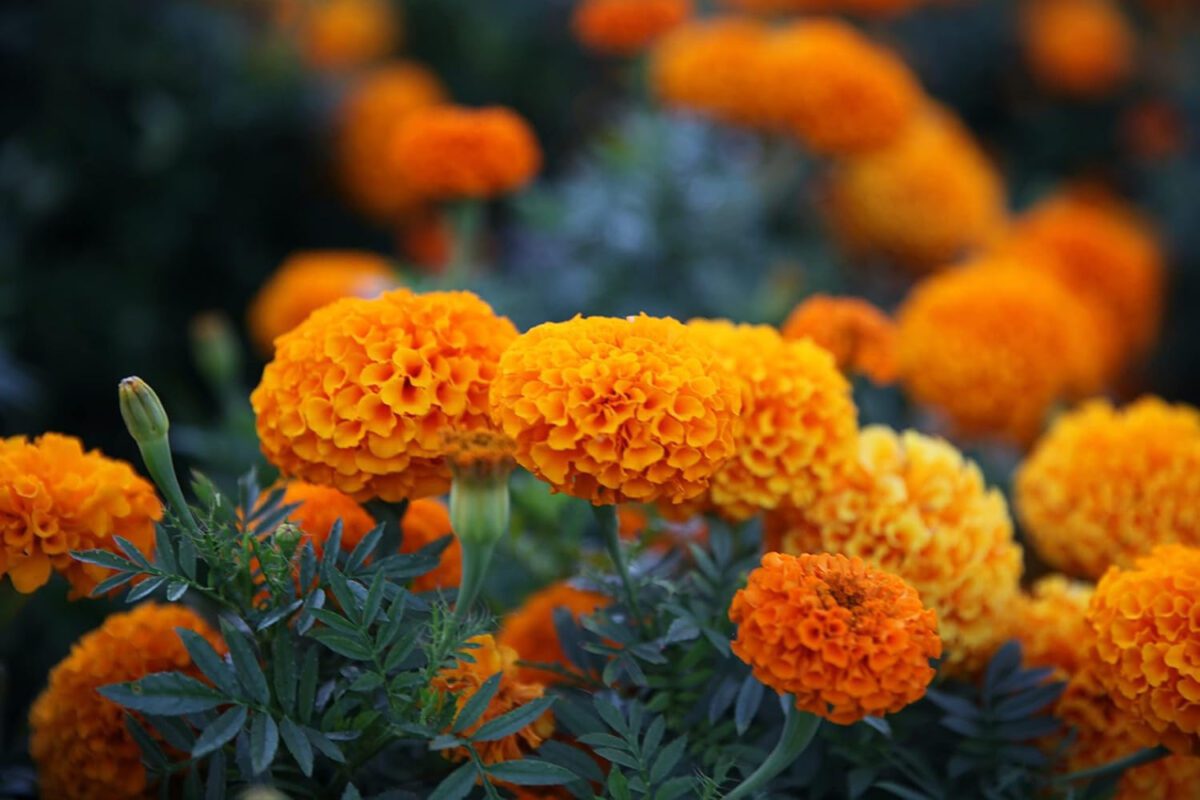
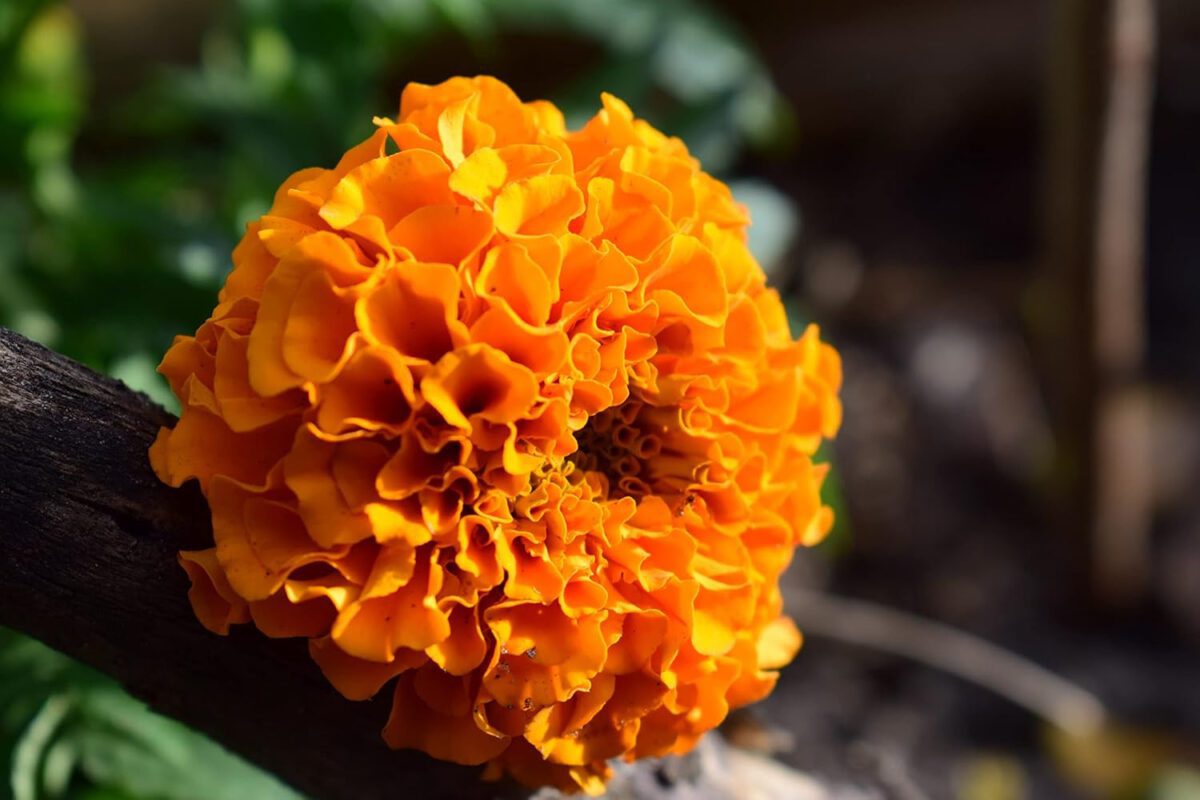
African Marigold Flower Seeds Mix Colour 50 Seeds Pack
- African Marigold Seeds: Embark on a journey of color and beauty with these enchanting flower seeds.
- Radiant Garden Blooms: Adorn your outdoor space with the radiant colors of African Marigold flowers.
- Charming Butterfly Attraction: Bring the magic of butterflies to your garden with these captivating blooms.
- Top-Quality Seed Selection: Plant with confidence, knowing you've chosen the best seeds for flourishing flowers.
- Lively Garden Ambiance: Infuse your garden with a vibrant and lively atmosphere with these flowers.
- Effortless Gardening Joy: Enjoy a hassle-free and rewarding gardening experience with these easy-to-grow seeds.
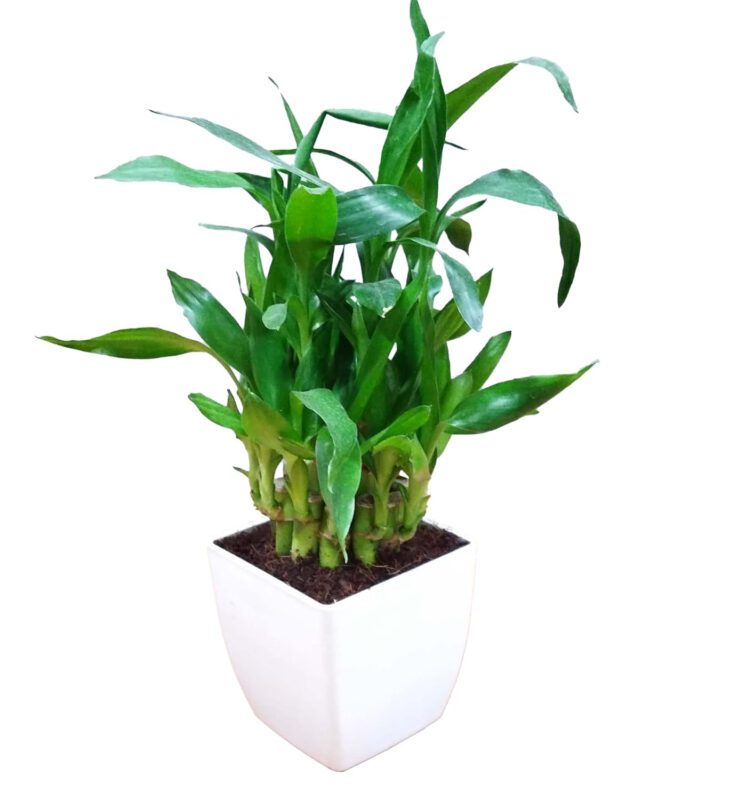
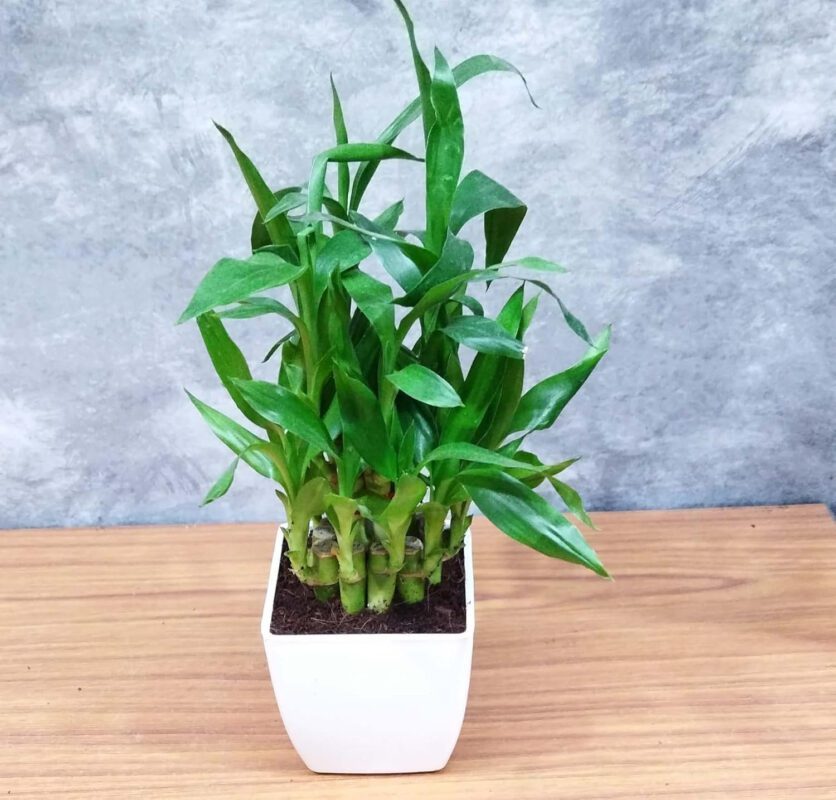
Air Purifying 2 Layer Lucky Bamboo Plant in White Square Fiber Pot
- 2 Layer Lucky Bamboo Plant in White Square Fiber Pot for Table top or Desktop,
- Two Layer Lucky Bamboo plants are indoor plants, easy for caring,
- Care for Lucky Bamboo Plant: Keep medium moist and avoid direct sunlight, keep it in bright indirect sunlight,
- Add water every week with RO water from water filter. Don't use any tap water,
- These Lucky Bamboo Plants are healthy, beautiful with full roots with light green leaves,
- Lucky Bamboo Plant Benefits: People say it brings Positive effect! Lucky Bamboo Plant is an expression of love and is also said it can multiply luck,
- Plant Details : 4 Inch in height,
- Pot Details : 3.5 Inch height & 3 Inch Wide | Color : White | Shape : Square | Material : Plastic,
- Package Contents: 1 Unit of Plant, 1 Unit of Pot
SPECIAL OFFER
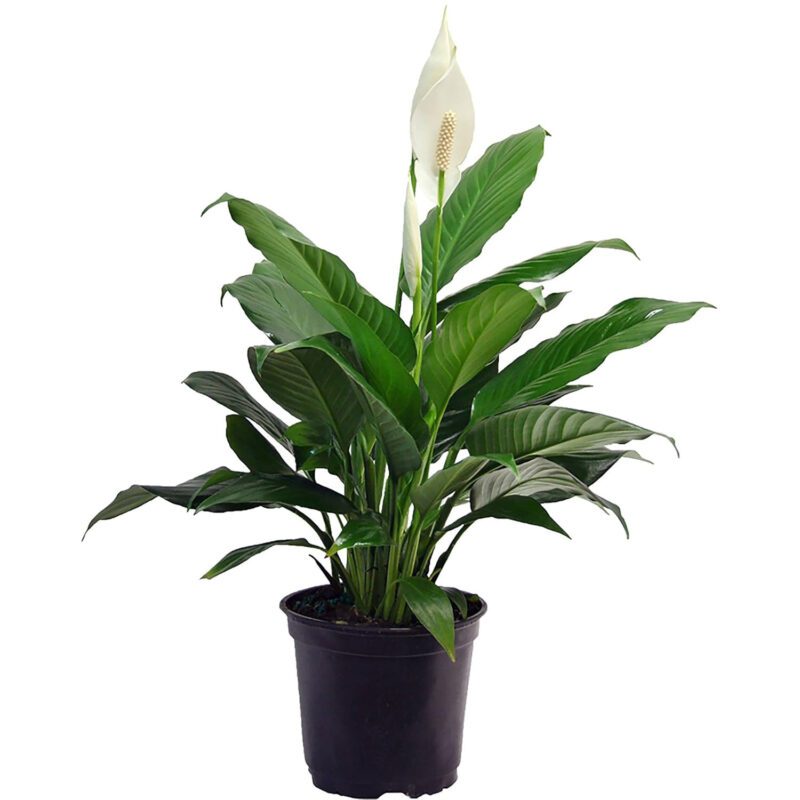
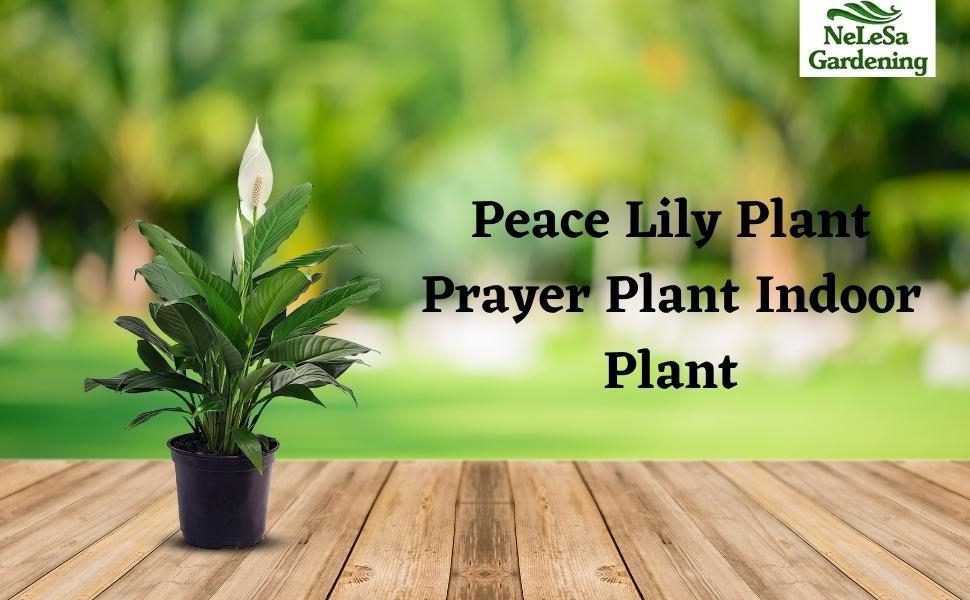
Peace Lily Flower Plant
- Lush and Vibrant: Our peace lily plant adds a touch of nature's elegance to your living room or bedroom decor.
- Comes In A Pot: This peace lily plant comes in a beautiful pot ensuring hassle-free maintenance.
- Thriving Live Plant: Enjoy the beauty of a live peace lily plant that brings a sense of calmness to your indoor space.
- Easy Care: The hydroponic peace lily requires minimal attention, making it perfect for busy households.
- Home Decor Must-Have: Elevate your home decor with the magnificent peace lily, a symbol of tranquility and grace.
- Perfect Gift: Treat your loved ones to the natural beauty of a peace lily plant sapling; a gift that keeps on giving.
- Air Purifying Plant: Clean your home and office from toxic air and enjoy clean air with this NASA recommended air purifier Plant
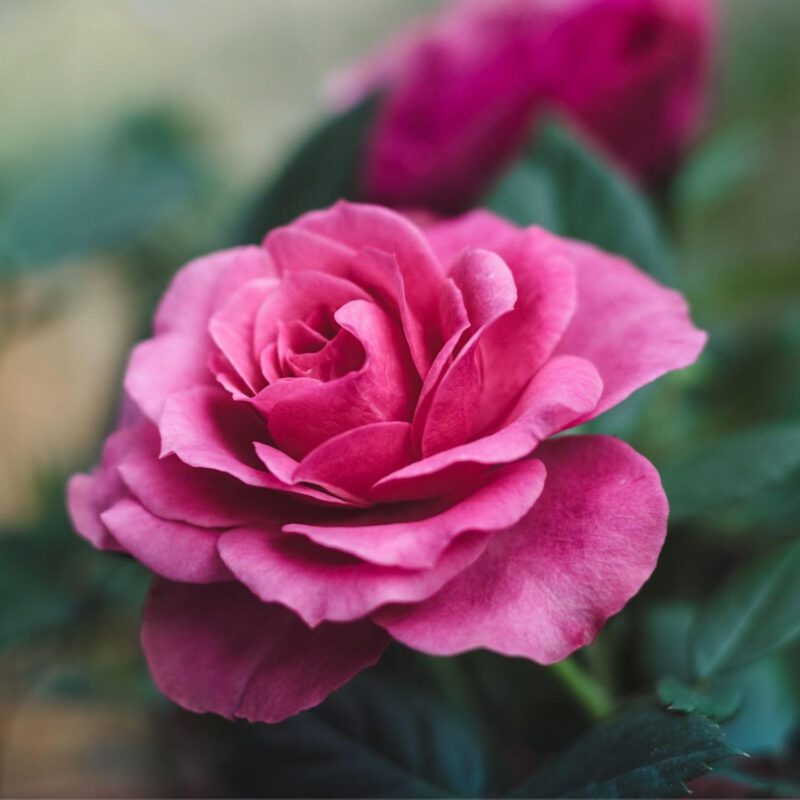

Pink Rose Plant
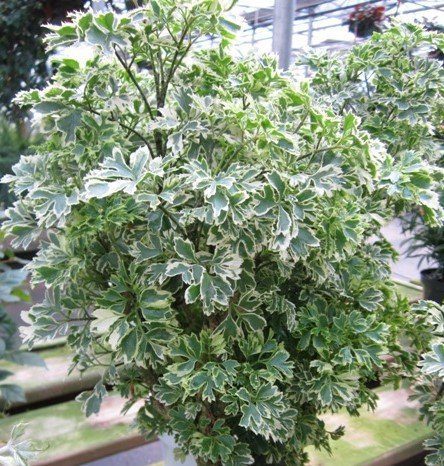
Variegated Aralia Plant

Augue adipiscing euismod
₹ 199.00
Scelerisque facilisi rhoncus non faucibus parturient senectus lobortis a ullamcorper vestibulum mi nibh ultricies a parturient gravida a vestibulum leo sem in. Est cum torquent mi in scelerisque leo aptent per at vitae ante eleifend mollis adipiscing.
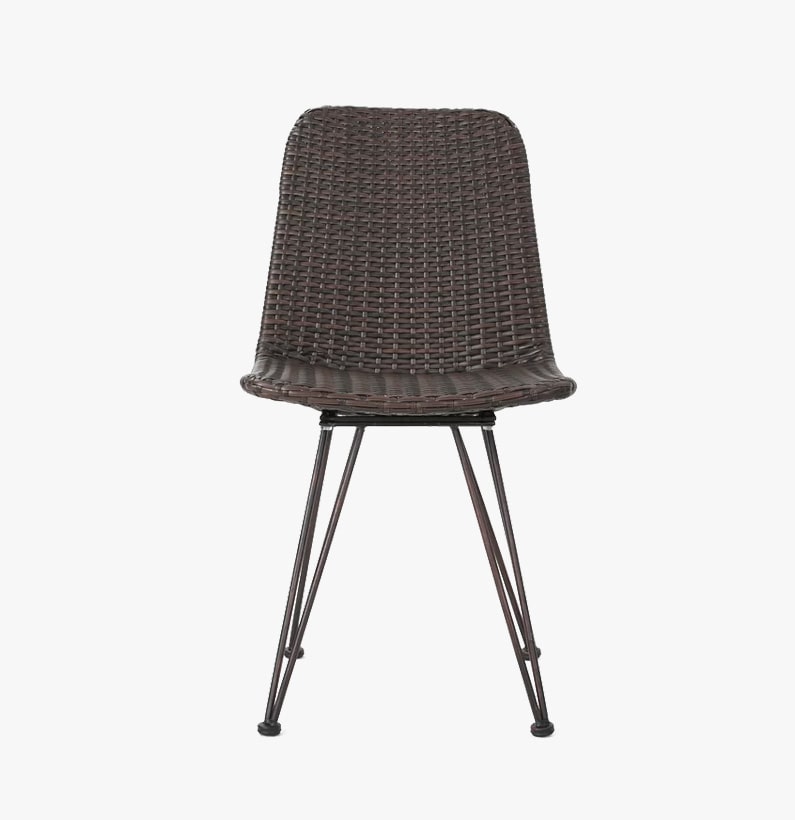
Classic wooden chair
₹ 299.00
Scelerisque facilisi rhoncus non faucibus parturient senectus lobortis a ullamcorper vestibulum mi nibh ultricies a parturient gravida a vestibulum leo sem in. Est cum torquent mi in scelerisque leo aptent per at vitae ante eleifend mollis adipiscing.
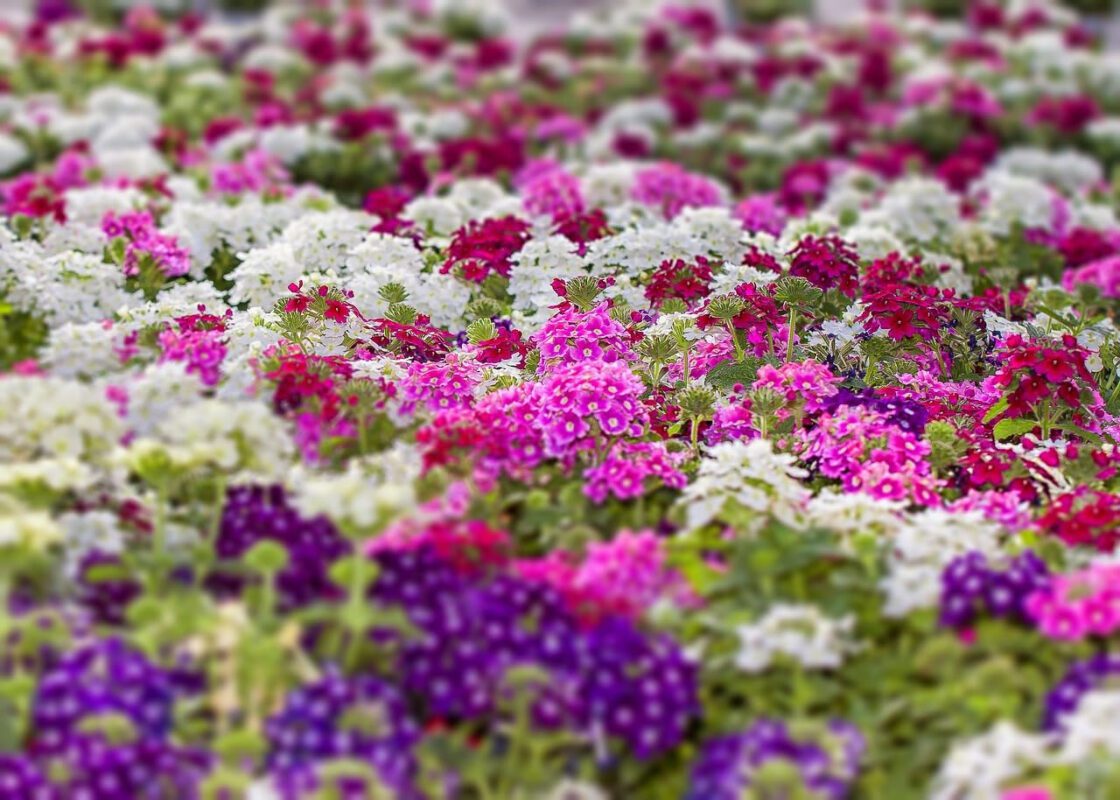
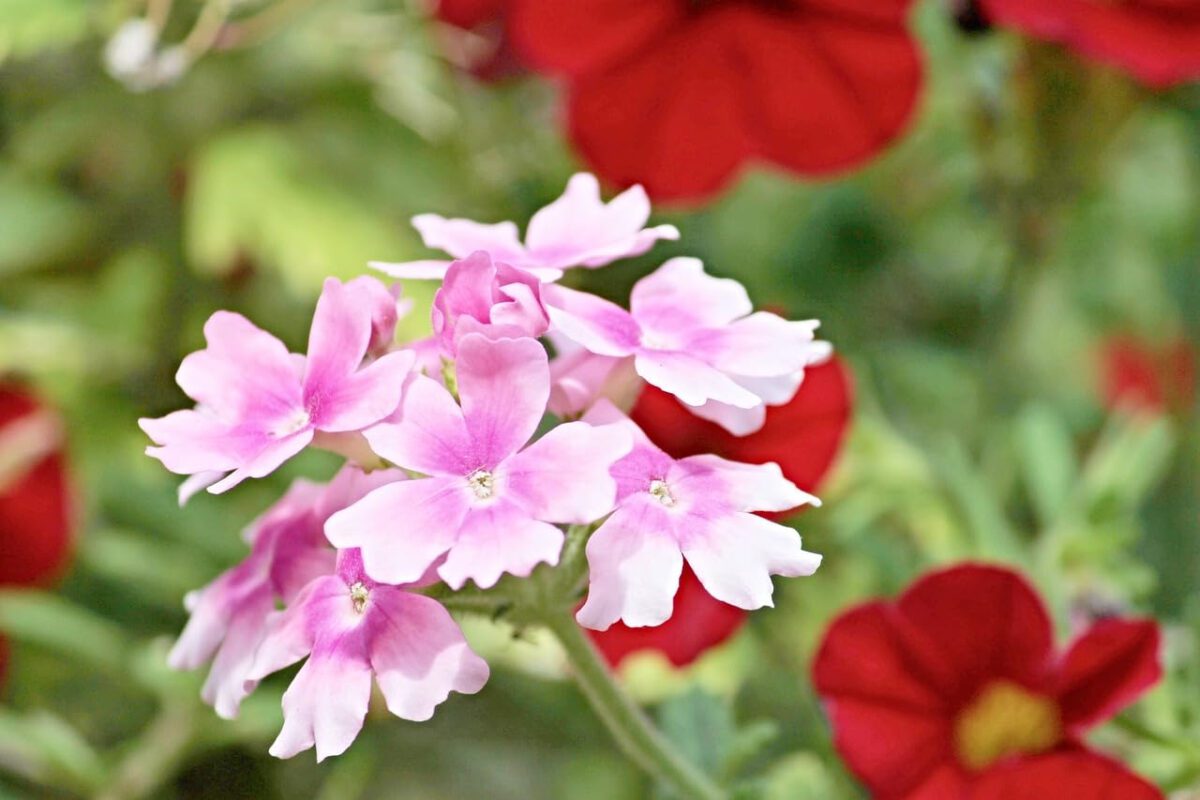
Nelesa Gardening Verbena Mixed Color Flower Seeds – 50 Premium Seeds for Vibrant Blooms | All-Season, Easy-to-Grow Flower Seeds for Home Gardens, Patios & Balconies
Original price was: ₹ 199.00.₹ 49.00Current price is: ₹ 49.00.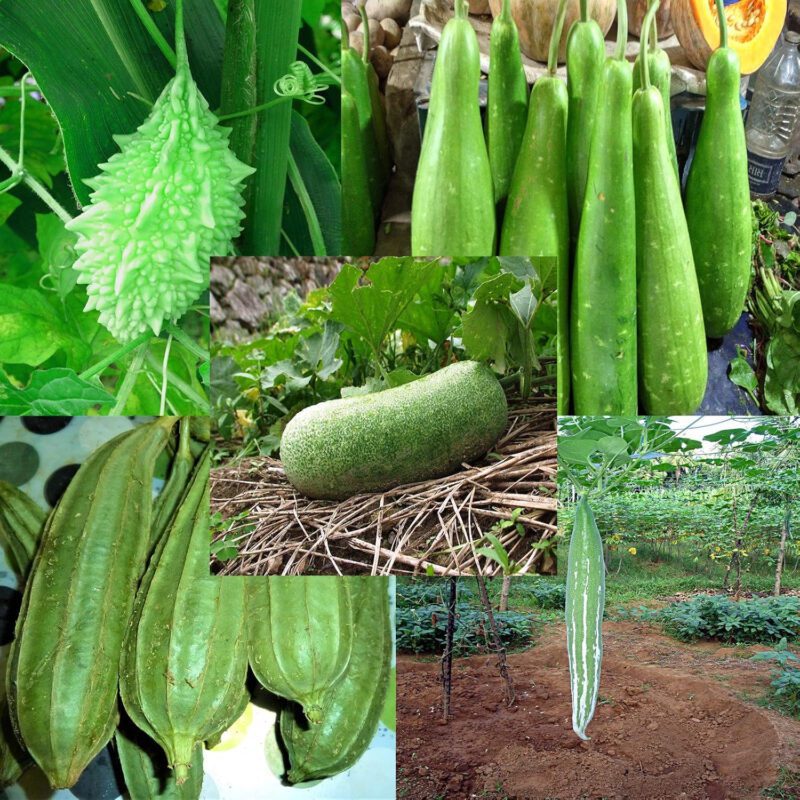
Combo 5 type of Gourd Seed Pack of 125 Seeds
Original price was: ₹ 199.00.₹ 49.00Current price is: ₹ 49.00.
FOR TRAVELERS
Peace Lily Flower Plant
- Lush and Vibrant: Our peace lily plant adds a touch of nature's elegance to your living room or bedroom decor.
- Comes In A Pot: This peace lily plant comes in a beautiful pot ensuring hassle-free maintenance.
- Thriving Live Plant: Enjoy the beauty of a live peace lily plant that brings a sense of calmness to your indoor space.
- Easy Care: The hydroponic peace lily requires minimal attention, making it perfect for busy households.
- Home Decor Must-Have: Elevate your home decor with the magnificent peace lily, a symbol of tranquility and grace.
- Perfect Gift: Treat your loved ones to the natural beauty of a peace lily plant sapling; a gift that keeps on giving.
- Air Purifying Plant: Clean your home and office from toxic air and enjoy clean air with this NASA recommended air purifier Plant
Pink Rose Plant
Variegated Aralia Plant
SALE PRODUCTS
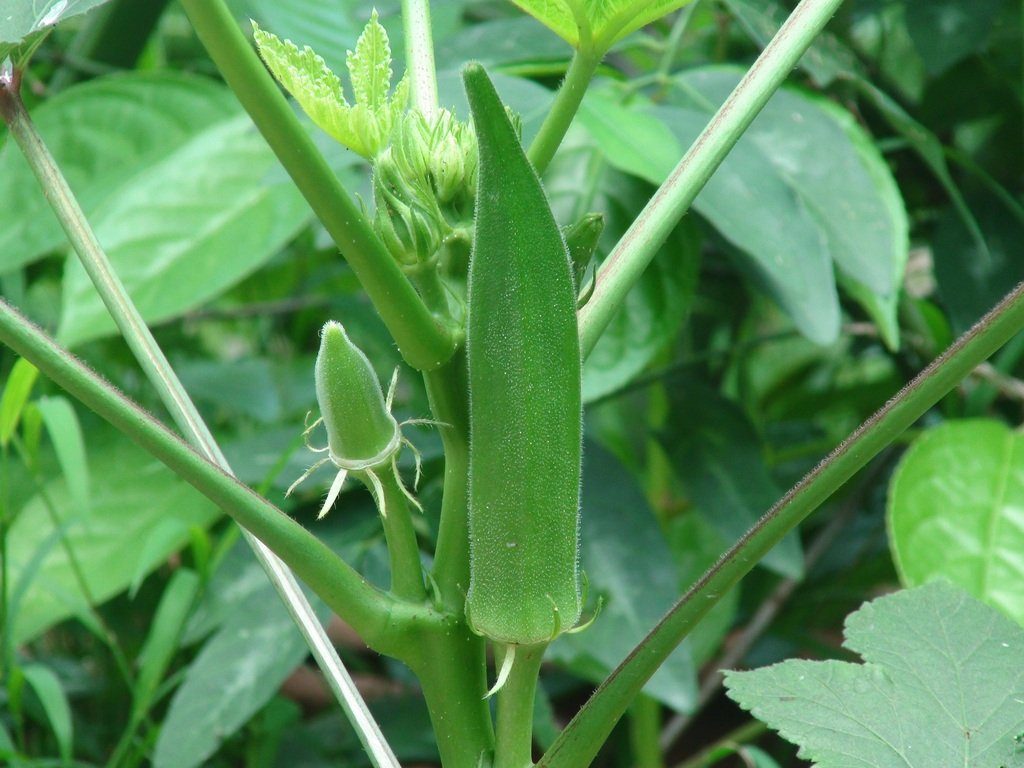
Okra Ladies Finger Vindi Seeds
- Nutrient-Rich Okra Seeds: Cultivate a nutritious garden with Nelesa Gardening Okra Ladies Finger Vendi Vindi Seeds, providing a delicious source of vitamins and minerals.
- 50 Seeds Pack: Abundant supply for cultivating a thriving garden; each pack contains 50 premium Okra Ladies Finger Vendi Vindi Seeds for continuous and bountiful harvests.
- Adaptable Growing Conditions: These seeds thrive in various climates and soil types, making them suitable for gardens, containers, or raised beds.
- Culinary Delight: Enjoy the culinary versatility of Okra, known as Ladies Finger or Vendi Vindi, perfect for stir-fries, gumbo, and a variety of delightful dishes.
- Whether you're a seasoned gardener or a beginner, Nelesa Gardening Okra Ladies Finger Vendi Vindi Seeds come with user-friendly planting instructions, ensuring a successful and enjoyable cultivation experience.
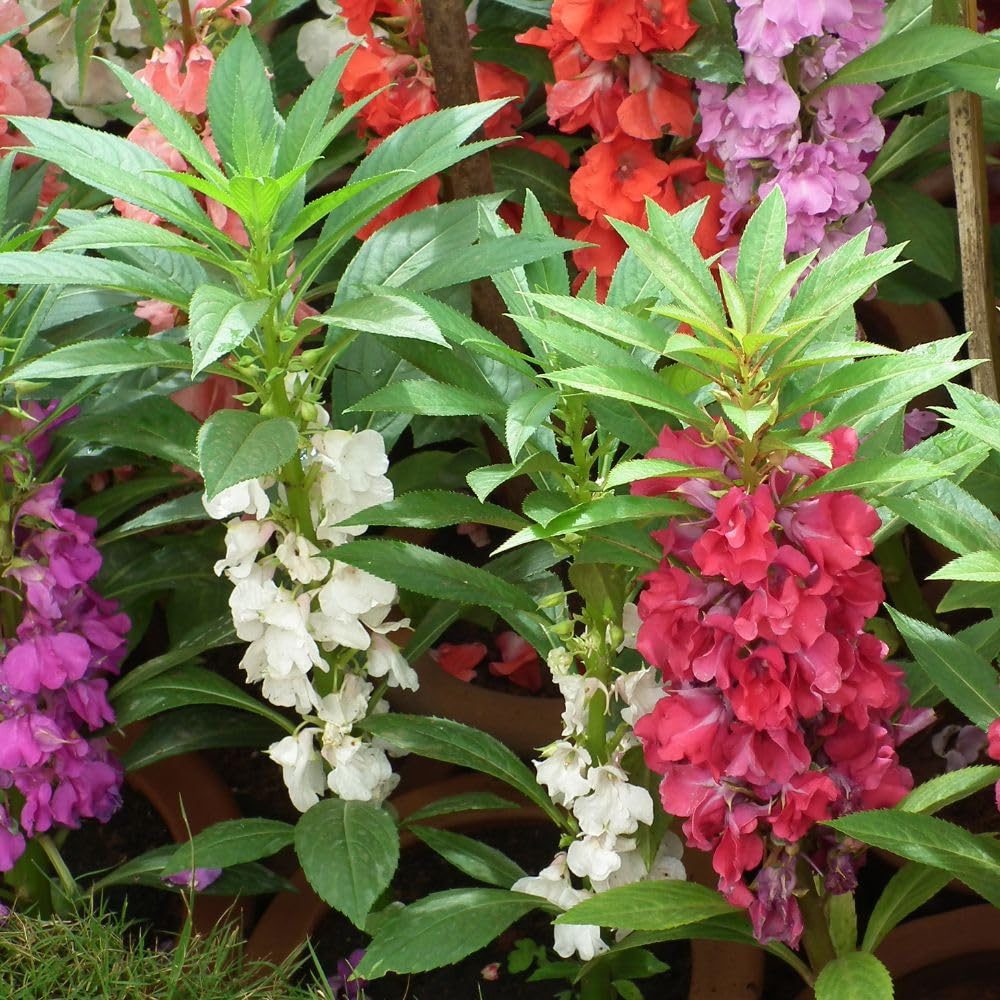
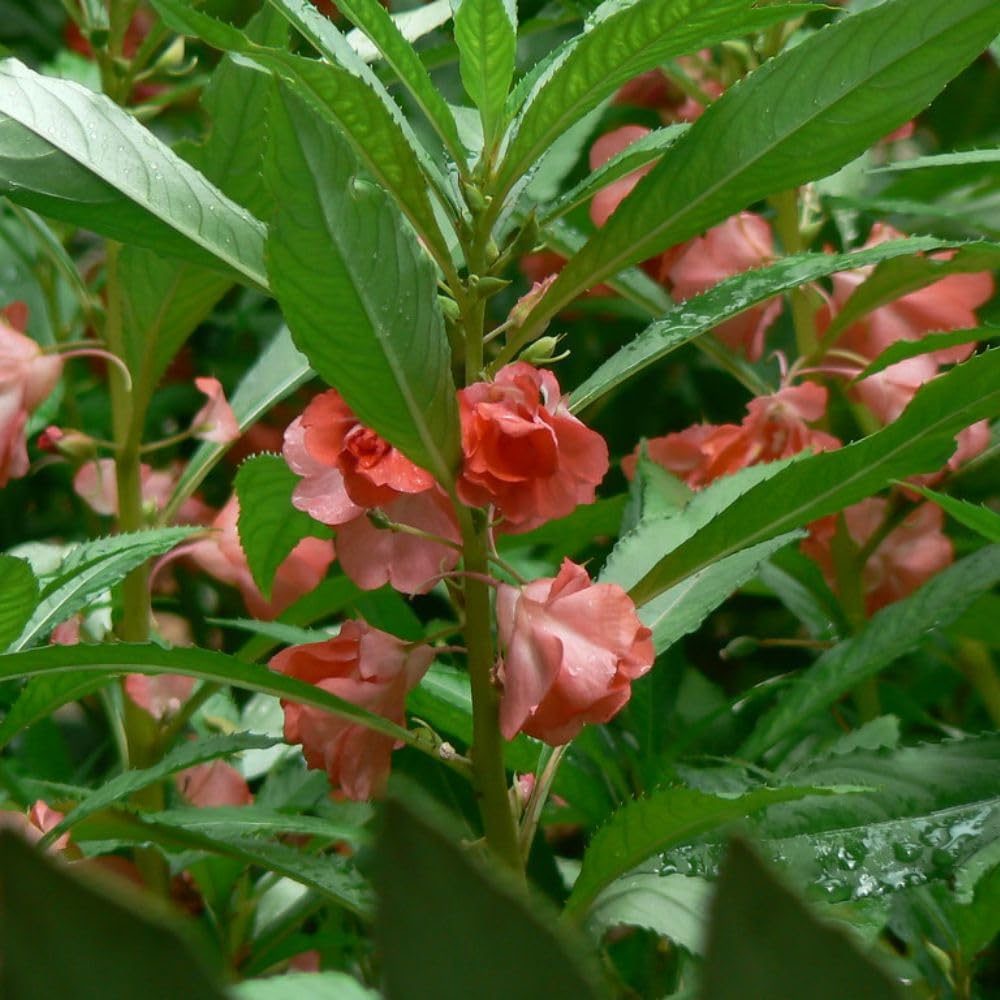
Balsam Dwarf Double Mixed Flower Seed – 100 Seeds Pack for Vibrant Garden Blooms
- Vibrant Garden Display: Grow a stunning variety of multicolour, double blooms with our Balsam Dwarf Flower Seeds, turning your garden into a vibrant spectacle.
- Pack of 100 Seeds: Ensure an abundant supply of flowers with each pack, creating a flourishing and lively garden.
- Easy-to-Grow: Beginner-friendly seeds with simple planting instructions for a hassle-free gardening experience.
- Charming Outdoor Space: Add instant charm and beauty to your garden with the vibrant hues of Balsam Dwarf Double Mixed Flowers.
- Long-Lasting Blooms: Enjoy a continuous display of blooms, enhancing the aesthetic appeal of your garden throughout the season.
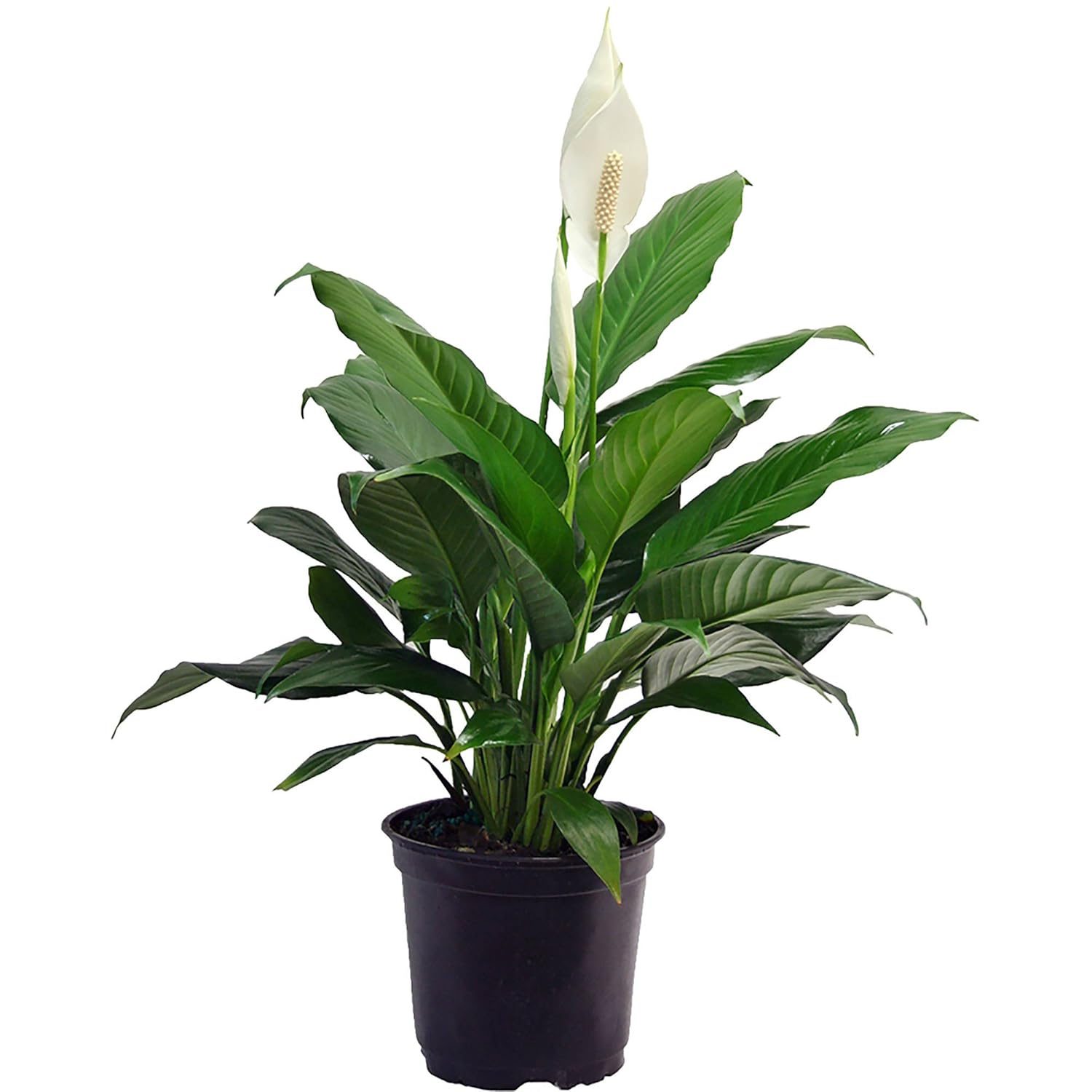
Peace Lily Flower Plant
- Lush and Vibrant: Our peace lily plant adds a touch of nature's elegance to your living room or bedroom decor.
- Comes In A Pot: This peace lily plant comes in a beautiful pot ensuring hassle-free maintenance.
- Thriving Live Plant: Enjoy the beauty of a live peace lily plant that brings a sense of calmness to your indoor space.
- Easy Care: The hydroponic peace lily requires minimal attention, making it perfect for busy households.
- Home Decor Must-Have: Elevate your home decor with the magnificent peace lily, a symbol of tranquility and grace.
- Perfect Gift: Treat your loved ones to the natural beauty of a peace lily plant sapling; a gift that keeps on giving.
- Air Purifying Plant: Clean your home and office from toxic air and enjoy clean air with this NASA recommended air purifier Plant
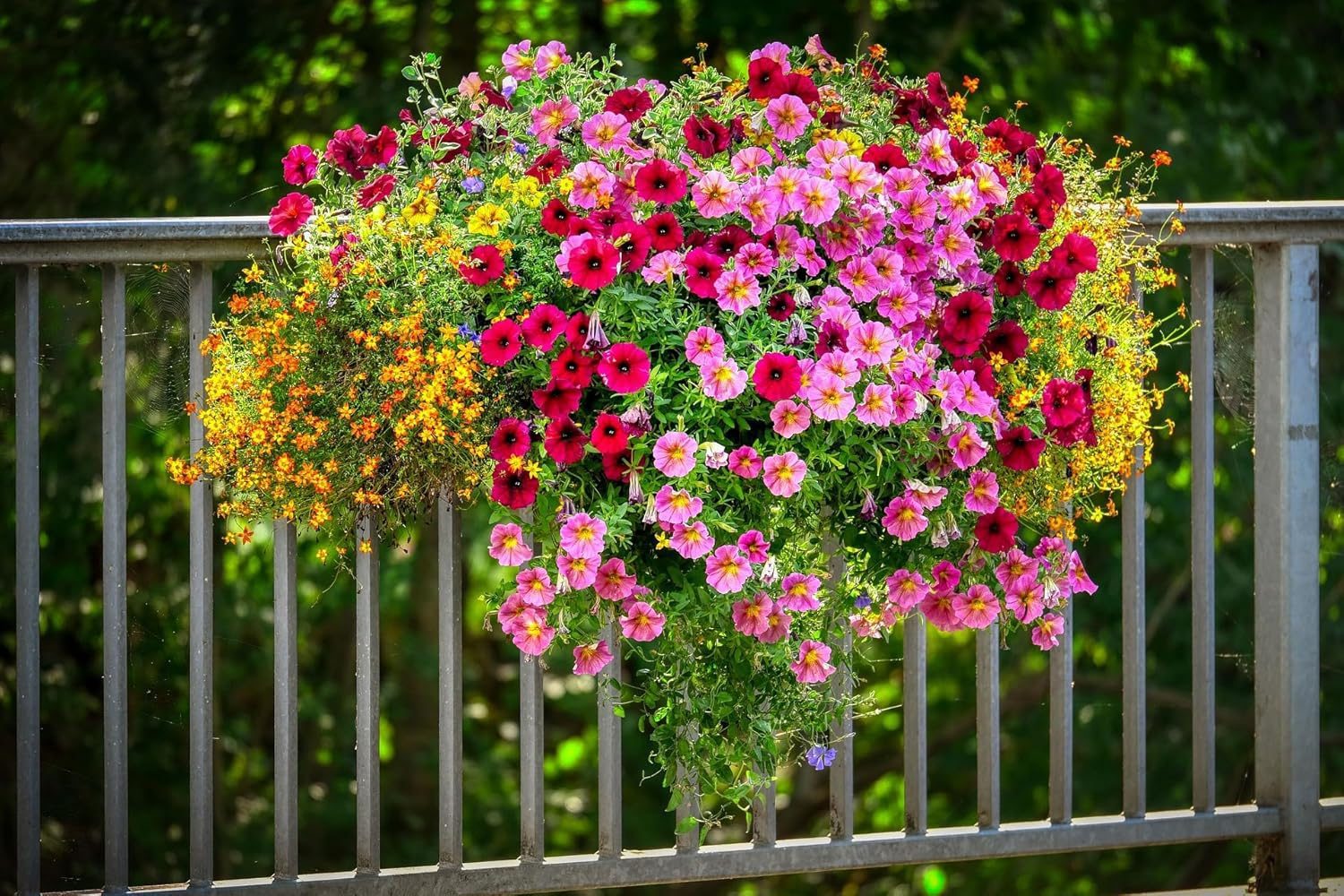
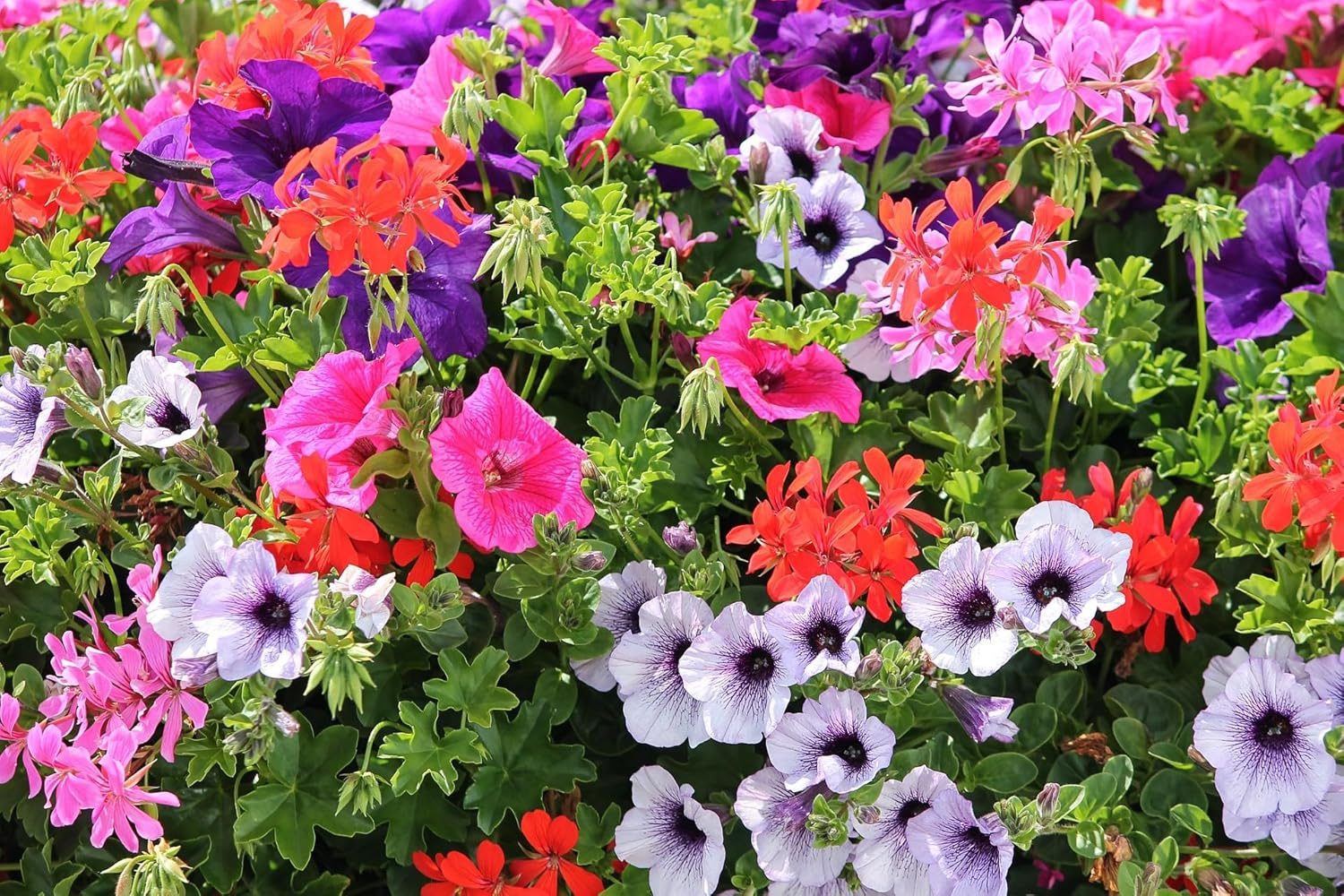
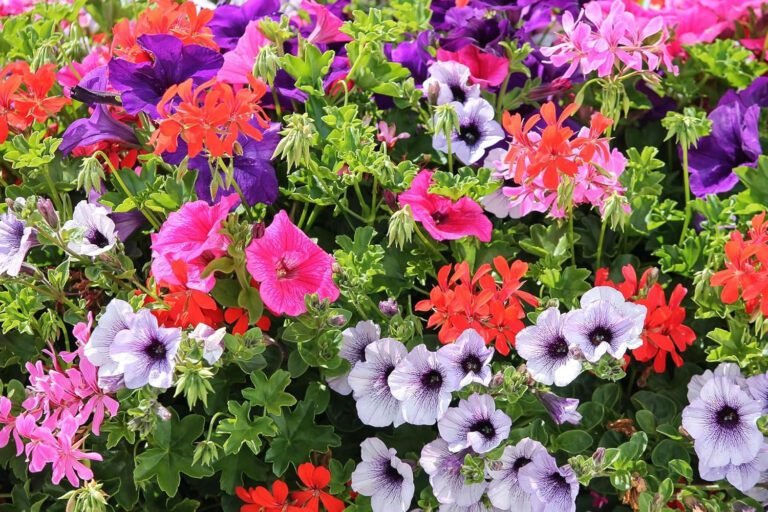
Petunia Mix Colour Flower Seed – 50 Seeds Pack
- Diverse Petunia Mix: Cultivate a vibrant garden with Nelesa Gardening Petunia Mix Colour Flower Seeds, offering a dazzling array of colors in one pack.
- 50 Seeds Pack: Abundant supply for cultivating a diverse and colorful garden; each pack contains 50 premium Petunia Mix Colour Flower Seeds.
- Versatile Garden Design: Add charm to hanging baskets, flower beds, or containers with these seeds, offering flexibility in creating a picturesque landscape.
- Adaptable Growing Conditions: Thrive in diverse climates and environments, making these seeds suitable for gardens of all types.
- Easy-to-Grow: Whether you're a seasoned gardener or a beginner, Nelesa Gardening Petunia Mix Colour Flower Seeds, ensuring a successful and enjoyable cultivation experience.
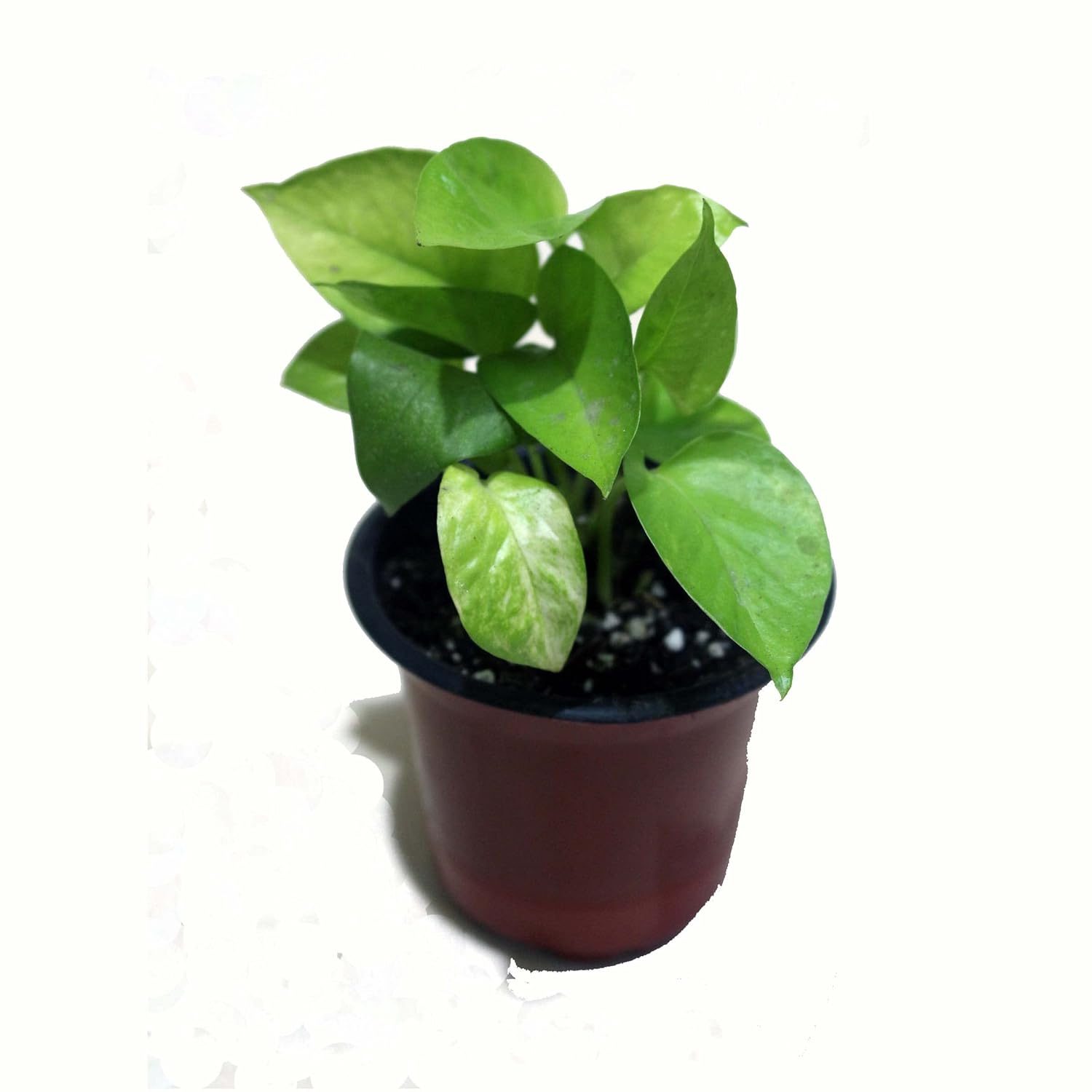
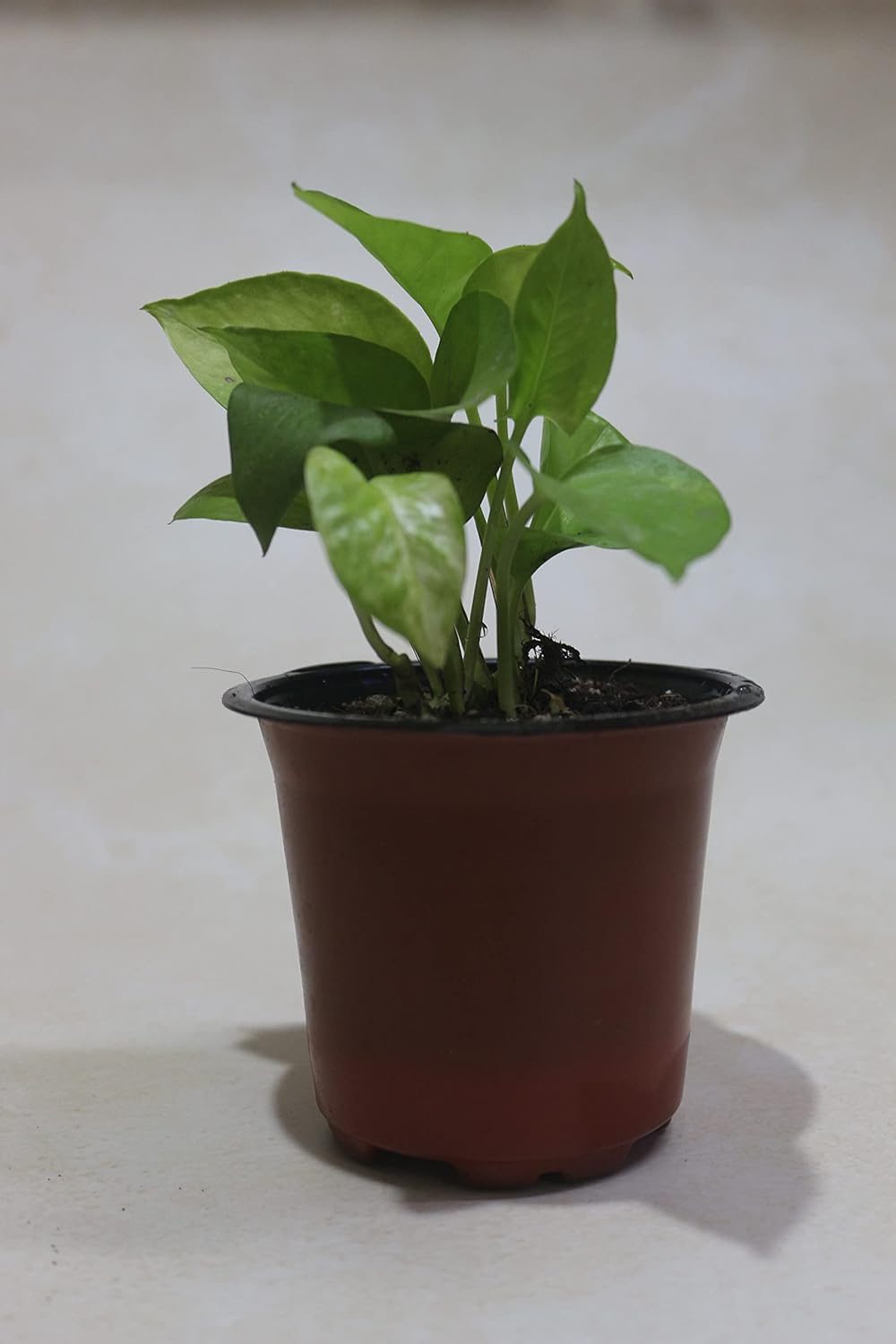
Golden Money Plant, Neon Pothos, Air Purifying Plant, Home Décor Plant, Can Use for Desktop, for Gifting, Lucky Plant, Good Luck, Vastu Plant
- Golden Neon Money Plant in thermo plastic pot for Table top or Desktop
- Neon Money plants are indoor plants, easy for caring.
- Care for Golden Money Plant: water regularly and avoid direct sunlight, keep it in bright light.
- Don't use any tap water.
- These Golden Money Plants are healthy, beautiful with full roots with light green leaves.
- Golden Money Plant Benefits: People say it brings Positive effect! Golden Money Plant is an expression of love and is also said it can multiply luck.
- Plant Details : 4 Inch in height
- Pot Details : 3.5 Inch height & 3 Inch Wide | Color : Brown | Material : Thermo Plastic
- Package Contents: 1 Unit of Plant, 1 Unit of Pot
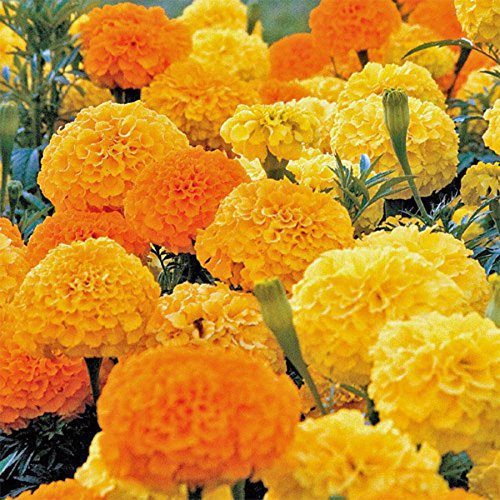
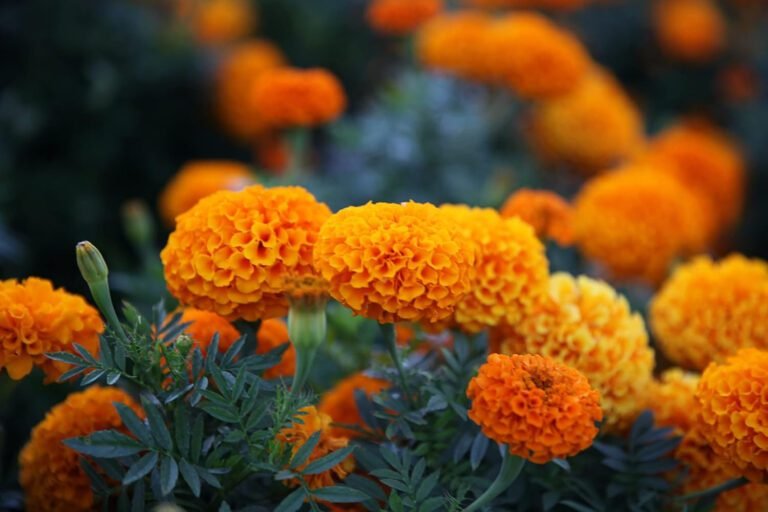
Nelesa Gardening Marigold Seeds Mixed Color Double Flower 50 Seeds Pack
Original price was: ₹ 199.00.₹ 49.00Current price is: ₹ 49.00.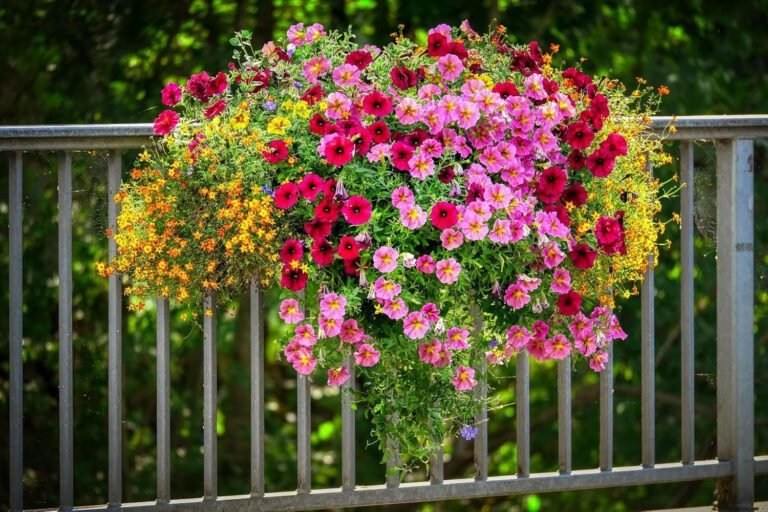

Decoration wooden present
₹ 89.00
Nam gravida vulputate est venenatis eu at ullamcorper consectetur parturient suspendisse a elit lobortis ut convallis vestibulum vulputate nunc praesent mattis sem faucibus risus sociosqu.Dapibus curae a ac vestibulum a magnis ullamcorper orci a iaculis adipiscing augue a massa a torquent feugiat a. Scelerisque vestibulum.
Eames plastic side chair
₹ 99.00
Consequat a scelerisque suspendisse vel et eget eu vitae adipiscing nibh scelerisque semper cum adipiscing facilisis adipiscing est accumsan lorem vestibulum. Aliquet mus a aptent ullam corper metus accumsan. Habitasse a purus nec ipsum a urna ac ullamcorper varius metus blandit posuere.

Panton tunior chair
₹ 199.00
Placerat tempor dolor eu leo ullamcorper et magnis habitant ultrices consectetur arcu nulla mattis fermentum adipiscing a et bibendum sed platea malesuada eget vestibulum.
ALL FOR GARDEN
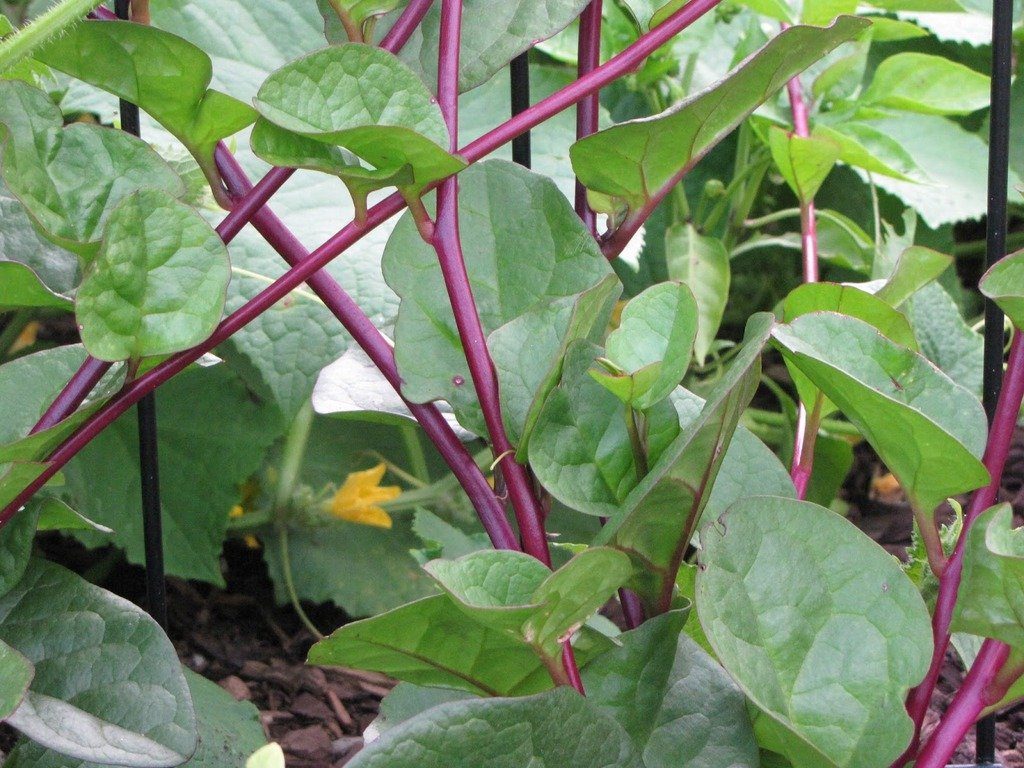


Lawn Grass Seeds – 15000 Seeds Pack
- Premium Quality Seeds: Nelesa Gardening Lawn Grass Seeds are carefully selected to ensure high germination rates, providing you with a thick and healthy lawn.
- Covers Large Area: With 15,000 seeds per pack, this product can cover a substantial lawn area, giving you a lush, green landscape.
- Fast-Growing Grass: These grass seeds are designed for quick germination and growth, so you can enjoy a beautiful lawn in no time.
- Drought-Resistant: The grass grown from these seeds is hardy and resistant to drought, making it ideal for various climates.
- Easy to Plant: Whether you're a beginner or an experienced gardener, planting these seeds is straightforward and hassle-free.
- Low Maintenance: Once established, this grass requires minimal upkeep, making it a perfect choice for busy homeowners.
- Versatile Use: Ideal for lawns, gardens, parks, and more, these seeds are perfect for creating beautiful, green spaces.
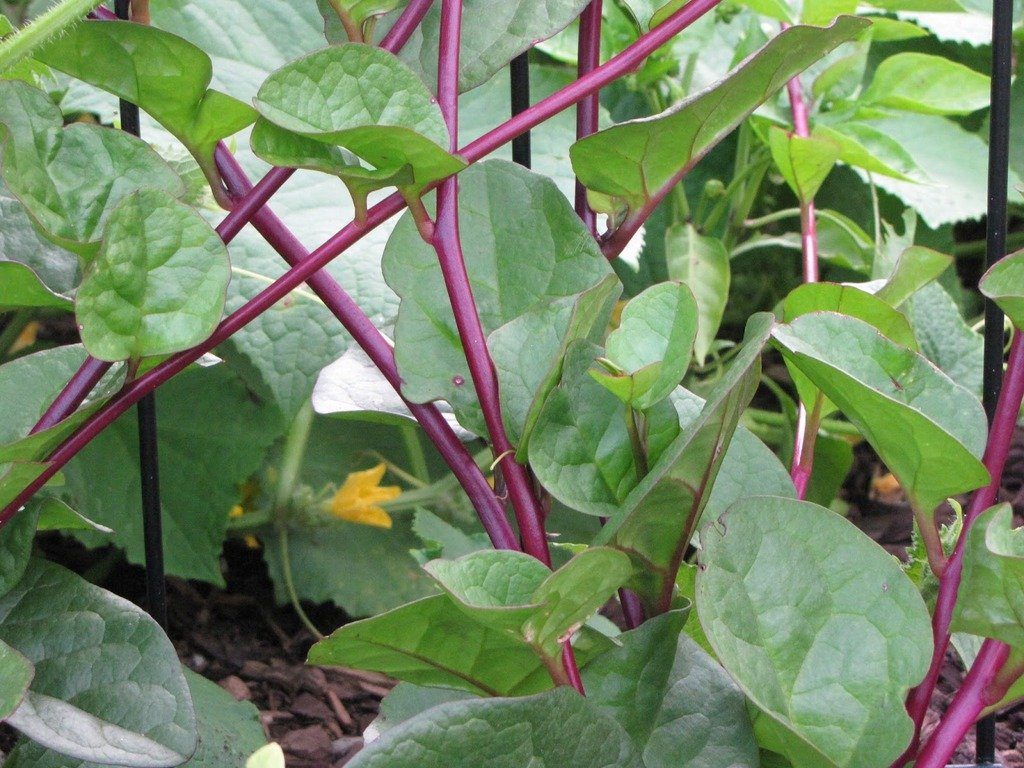
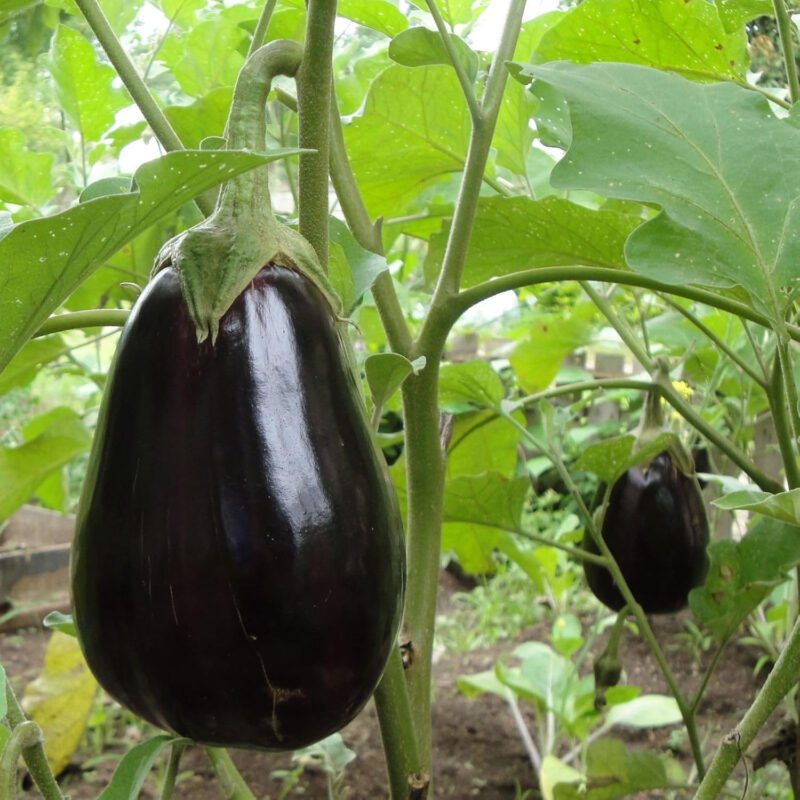
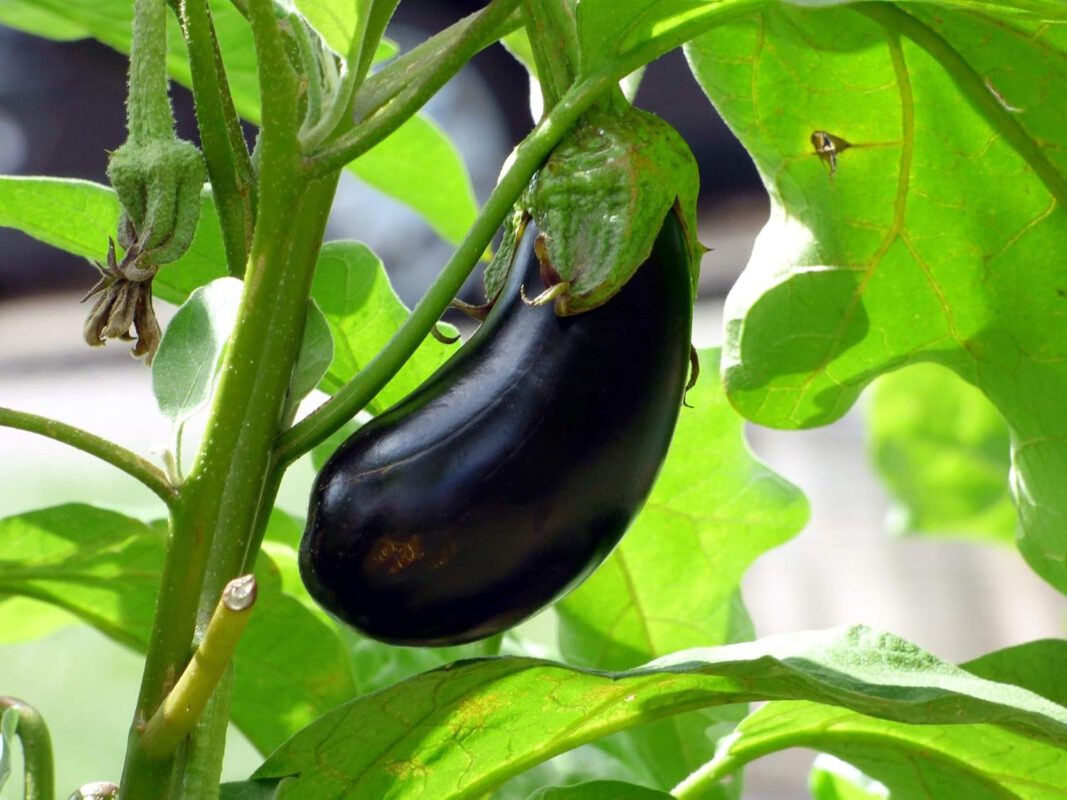
Nelesa Gardening Black Beauty Brinjal Hybrid Seeds 50 Seeds Pack for Home Gardeners
- Organic Black brinjal seeds hybrid seeds
- Black brinjal seeds ideal for home garden
- Brinjal Black Beauty seeds hybrid for all seasons
- Brinjal Black Beauty Pack contains 50 Seeds
- Brinjal Black Beauty vegetable is very easy to grow in your kitchen garden, terrace garden, in balcony or in rooftop garden.
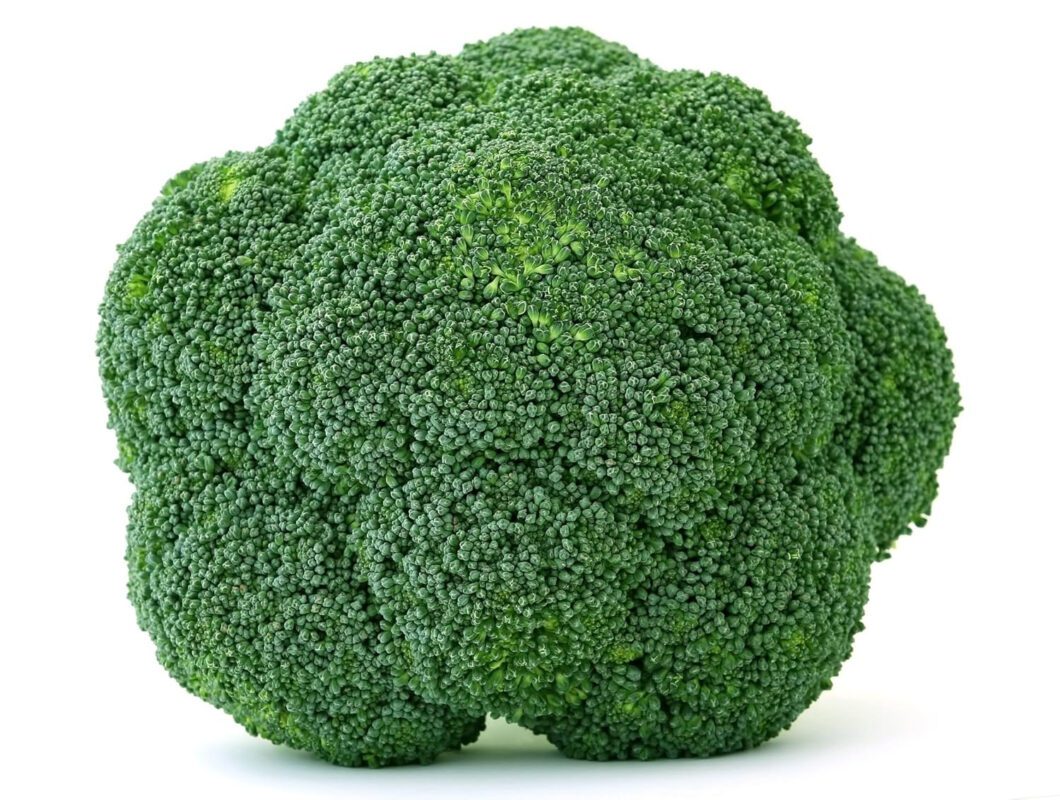
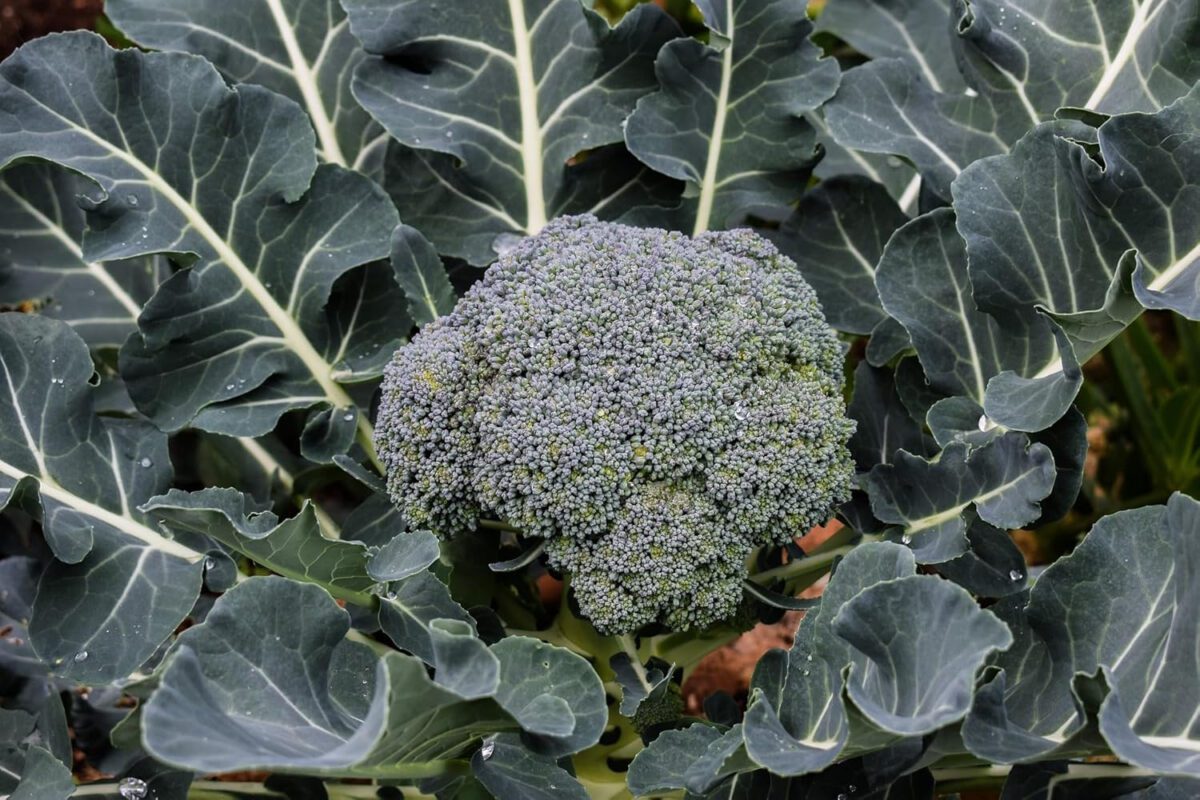
Nelesa Gardening Broccoli Hybrid Vegetable Seed – 20 Seeds Pack
- Nutrient-Rich Broccoli Hybrid Seeds: Cultivate a garden of nutrition with Nelesa Gardening Broccoli Hybrid Vegetable Seeds, providing a wholesome source of vitamins, minerals, and antioxidants.
- 20 Seeds Pack: Abundant supply for cultivating a thriving garden; each pack contains 20 high-quality Broccoli Hybrid Vegetable Seeds for continuous and bountiful harvests.
- Adaptable Growing Conditions: Thrive in diverse climates and soil types, making these seeds suitable for gardens, containers, or raised beds.
- Culinary Versatility: Elevate your cooking with the versatile addition of broccoli, perfect for stir-fries, salads, casseroles, soups, and various culinary creations.
- Easy-to-Grow: Whether you're an experienced gardener or a beginner, Nelesa Gardening Broccoli Hybrid Vegetable Seeds come with user-friendly planting instructions, ensuring a successful and enjoyable cultivation experience.

SPECIAL OFFER
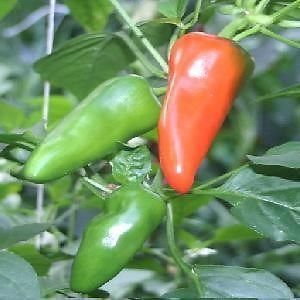
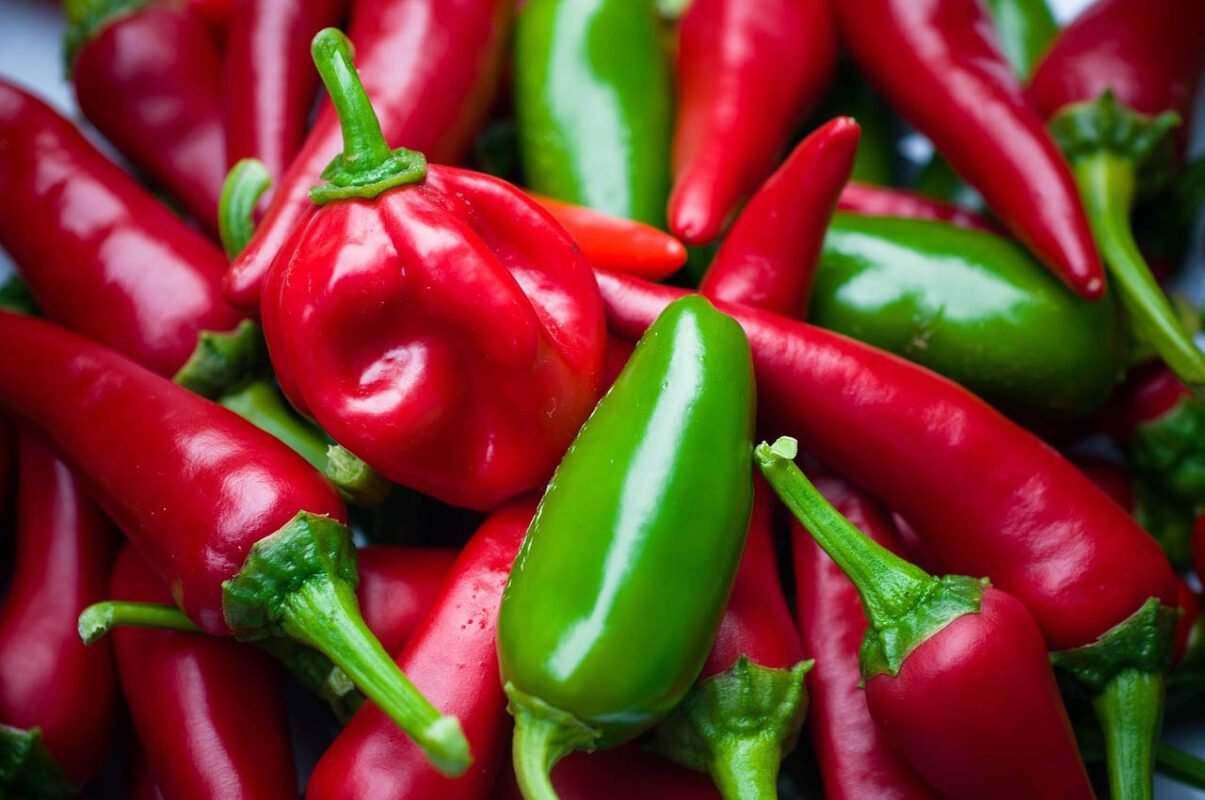
Nelesa Gardening Hot Chili Seeds -Vegetable Bullet Chilli Seeds for Home Garden – 100 Seeds
- Bullet Chili Seeds for home gardening. First harvest will be in 40-45 days
- Green Chilli Seeds have very high pungency
- This hot chilli seeds are suitable for all weather climate and all seasons
- Length of chili fruit will be around 5 cm and width of fruit will be around 1-2 cm
- Handle seeds with care. Use gloves when sowing it or wash hand after sowing it.
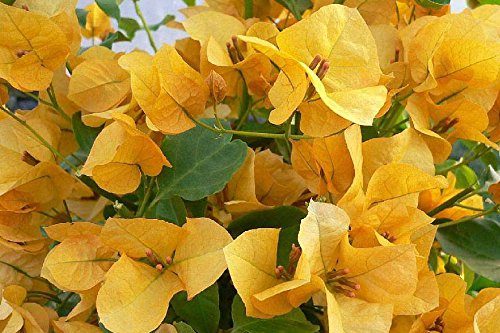
Nelesa Gardening Live Yellow Bougainvillea Flower Plant


iPhone dock
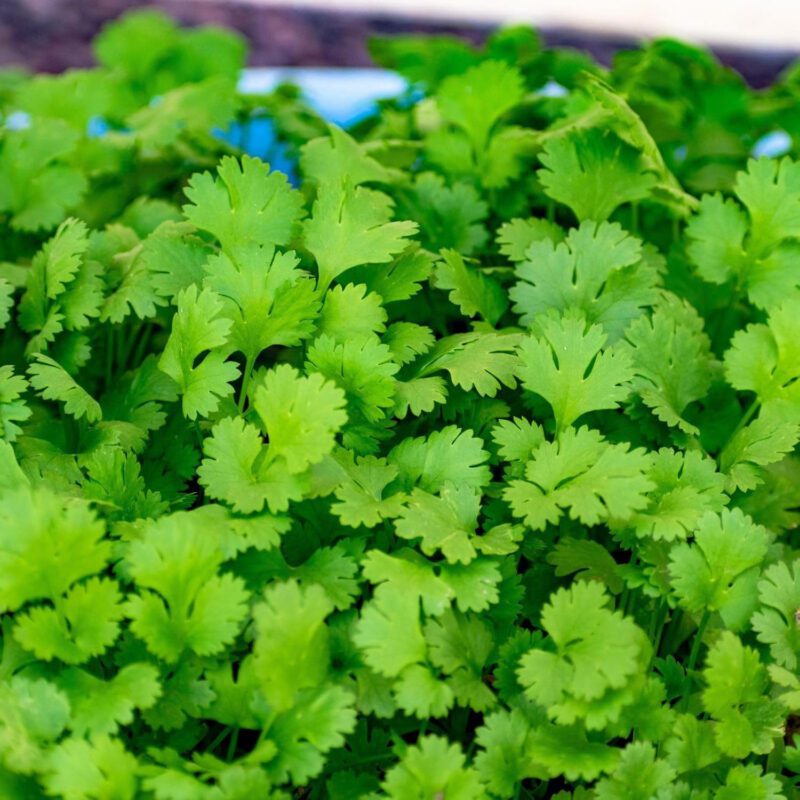
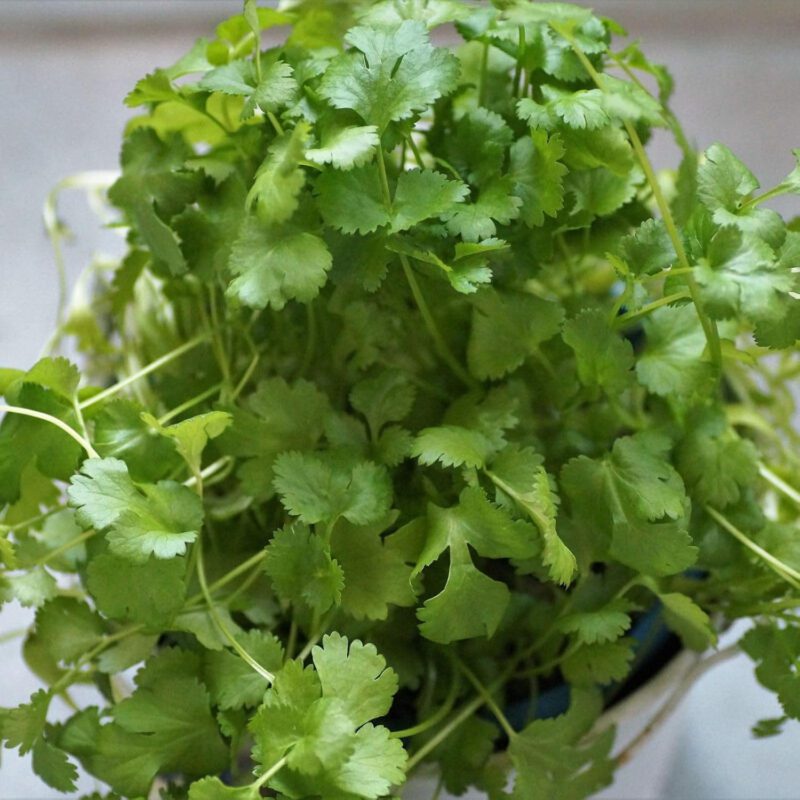
Nelesa Gardening Coriander Cilantro Vegetable Seed for Home Garden 100 seeds Pack
- Select a Location For Coriander Seeds: Coriander prefers well-drained soil and partial to full sunlight. Choose a location that receives at least 4-6 hours of sunlight per day.
- Prepare the Soil: If you're growing coriander in a pot, fill it with a good quality potting mix. If planting in a garden bed, prepare the soil by amending it with organic compost to improve drainage and fertility.
- Sow the Seeds: Coriander seeds are best sown directly where you want them to grow because they don't transplant well due to their delicate taproot. Space the seeds about 1 inch apart and plant them about 1/4 to 1/2 inch deep in the soil. If you're planting multiple rows, space the rows 6-8 inches apart.
- Watering: Water the seeds gently but thoroughly after planting. Keep the soil consistently moist but not waterlogged. Coriander doesn't like to dry out completely between waterings.
- Thinning (if necessary): Once the seedlings emerge and have a few leaves, thin them out by removing the weaker seedlings, leaving about 3-4 inches of space between each plant. This gives the remaining plants room to grow.
- Fertilization: Coriander generally doesn't require heavy fertilization. You can apply a balanced, slow-release fertilizer once a month, or you can use a diluted liquid fertilizer every couple of weeks if you notice slow growth or yellowing leaves.
- Harvesting: Coriander leaves (cilantro) can be harvested once the plants have developed enough foliage, usually about 3-4 weeks after sowing. You can cut the leaves as needed, leaving some at the base to encourage continued growth. Coriander seeds are typically ready for harvest when the plant bolts (produces tall flower stalks). Allow the seeds to turn brown and dry on the plant. Harvest them by cutting the stalks and collecting the seeds.
- Pests and Diseases: Keep an eye out for aphids, whiteflies, and leafhoppers, which can be common pests for coriander. You can use organic insecticidal soap to control them. Proper watering and good air circulation can also help prevent fungal diseases.
- By following these steps, you should be able to successfully grow coriander from seed. Enjoy fresh cilantro in your dishes and collect coriander seeds for use in cooking or for planting in future seasons.
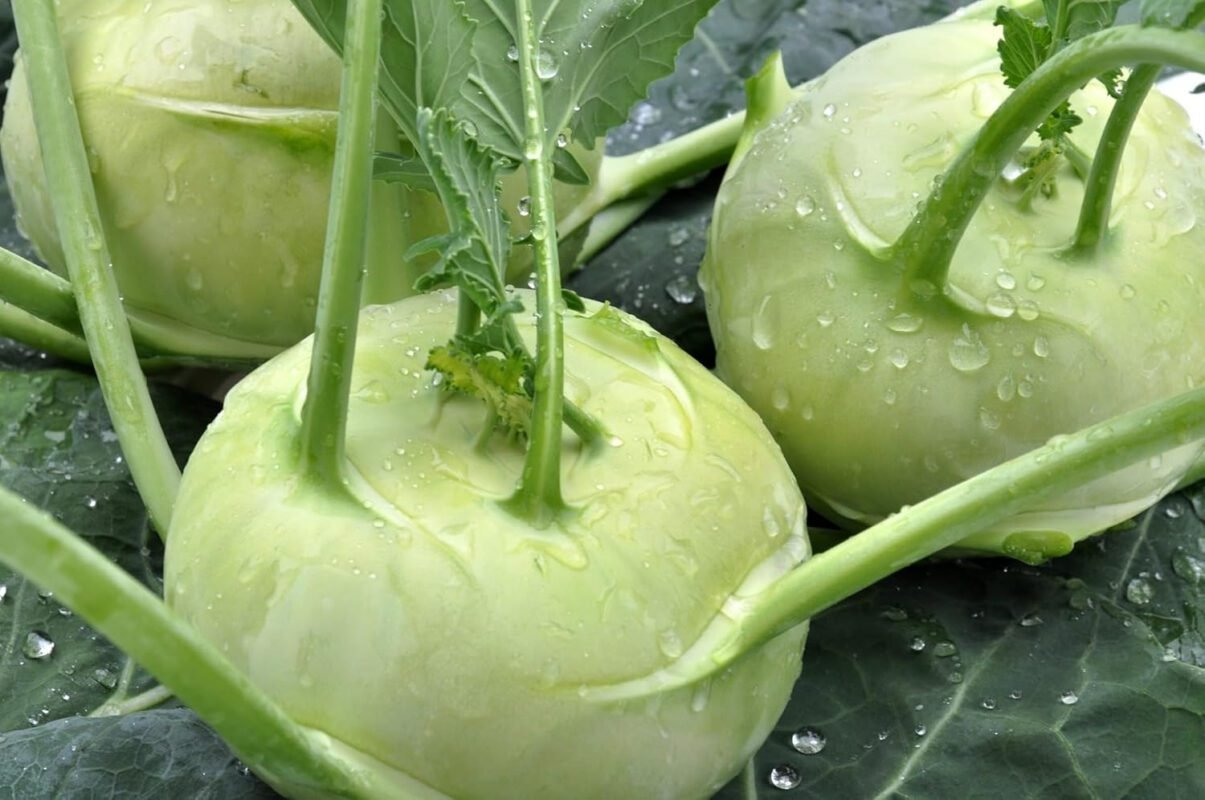
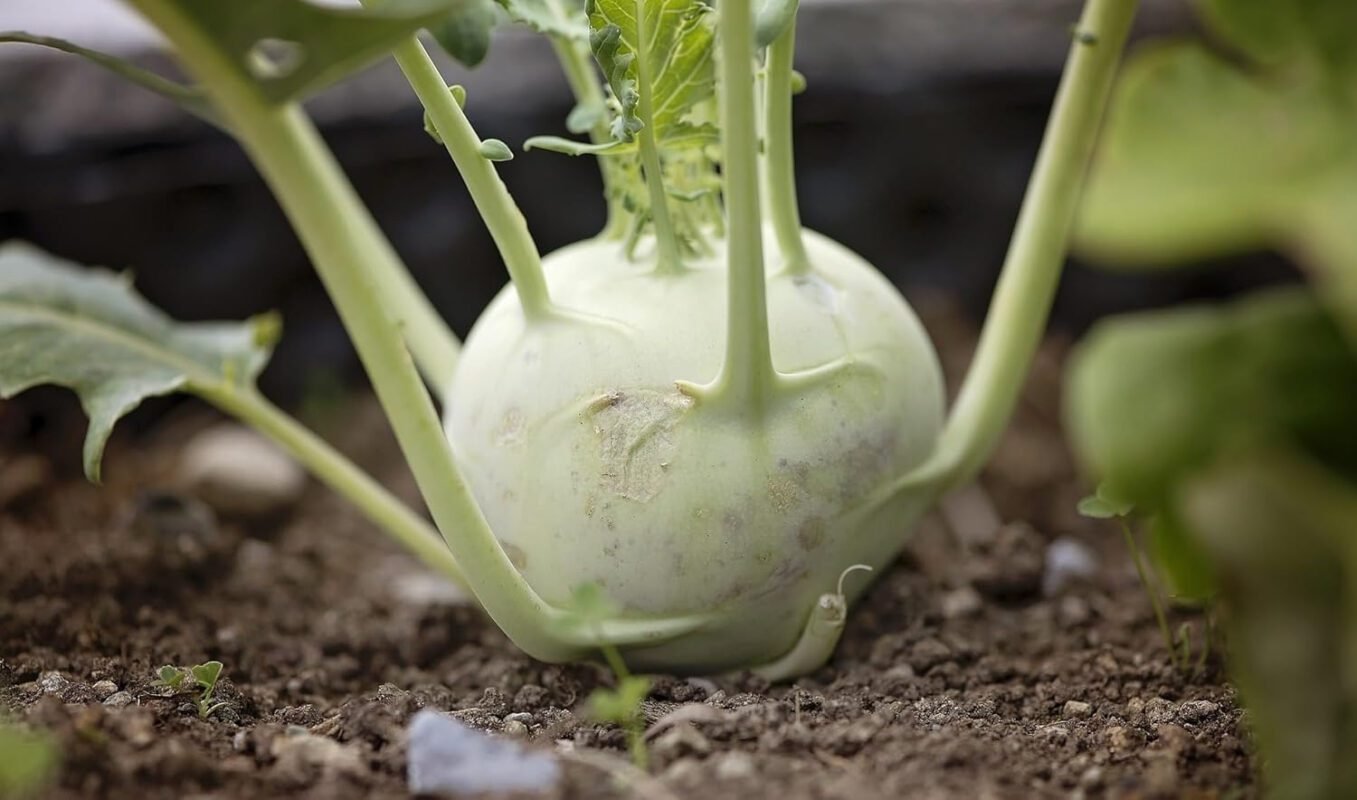
Nelesa Gardening Kohlrabi Knol Khol Vegetable Seed – 50 Seeds Pack
- Kohlrabi knol Khol Seeds
- Kohlrabi (Brassica oleracea Gongylodes Group) is a vegetable that belongs to the same family as broccoli, cauliflower, and cabbage.
- Kohlrabi has a bulbous shape with a green or purple skin that surrounds a crisp, white inside. Inside has a texture similar to that of an apple and a mildly sweet and nutty flavor.
- The word kohlrabi comes from the German words kohl, meaning cabbage, meaning turnip.
- Kohlrabi is a cool-season crop that is typically planted in the spring or fall. It prefers well-drained, fertile soil and full sun to partial shade.
- Kohlrabi is a good source of dietary fiber, vitamin C, and potassium. It also contains small amounts of other vitamins and minerals, as well as antioxidants and phytonutrients.
- Kohlrabi can be eaten raw or cooked, and it is a versatile ingredient that can be used in a variety of dishes. It can be roasted, grilled, steamed, sautéed, or even pickled.
- In addition to its culinary uses, kohlrabi has also been used to treat a variety of ailments, including digestive issues, respiratory problems, and skin conditions. However, more research is needed to confirm its effectiveness for these uses.
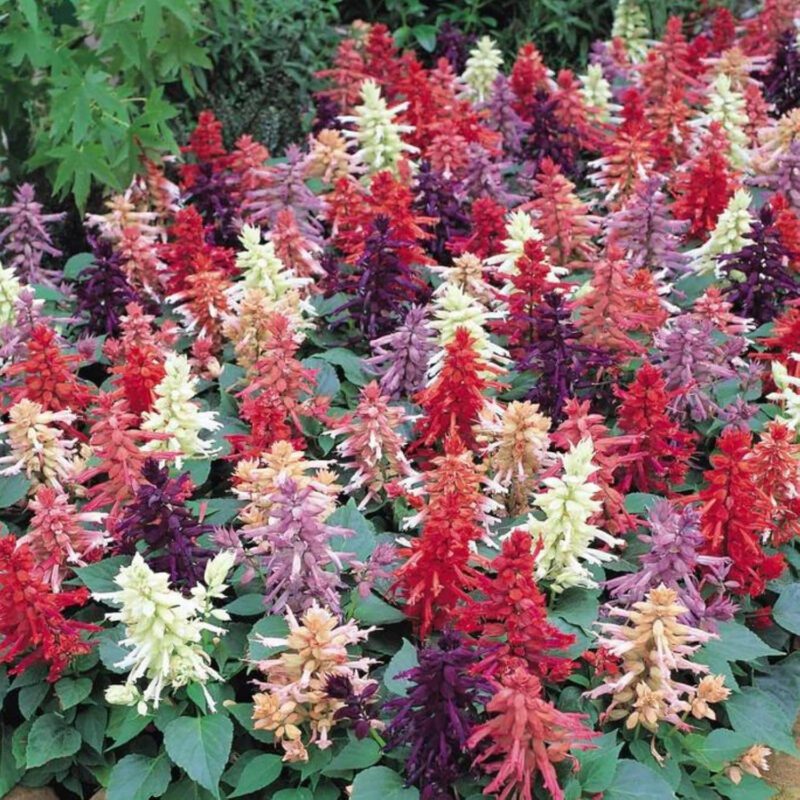
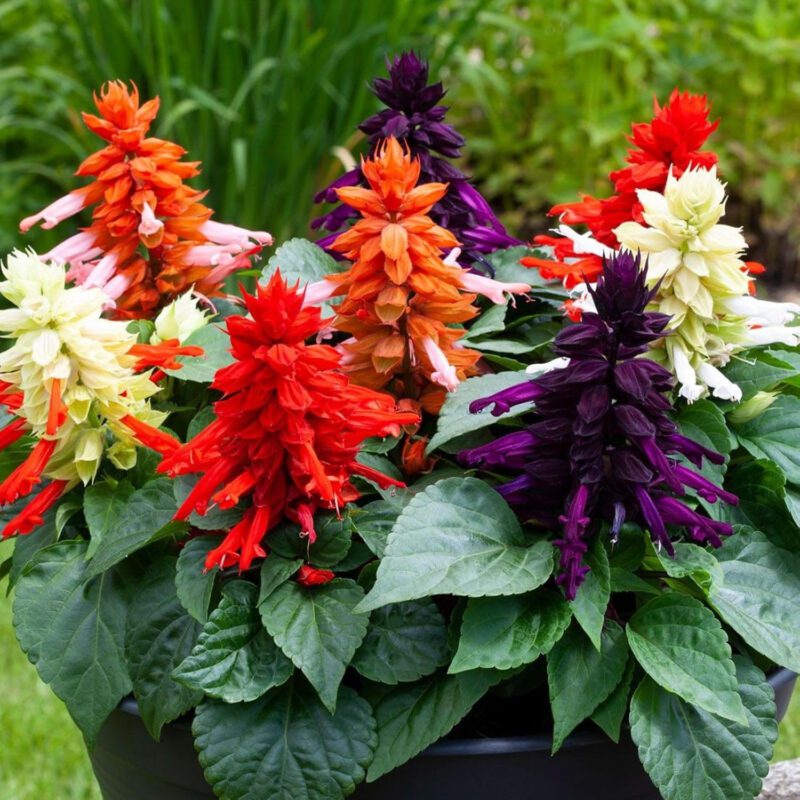
Nelesa Gardening Salvia Scarlet Sage Multicolour Salvia officinalis Flower Seed – 50 Seeds Pack
- Salvia seeds for gardening - Ensure a bountiful harvest and endless possibilities. Comes with groing instruction sheet.
- Easy Growing - Easy to grow a thriving garden in Indian climate conditions.
- Gow Anywhhere - Perfect for roof top garden, terrace garden, kitchen garden and balcony gardening.
- Stunning Blooms - The Scarlet Sage, with its intense mixed colour flowers, adds a dramatic burst of color to your garden. Its hue is a standout feature.
- Attracts Pollinators - This Salvia variety is a magnet for pollinators, including butterflies and hummingbirds, enhancing the biodiversity of your garden.
- Long-Blooming - Enjoy the beauty of Salvia flower for an extended period, as it produces an abundance of flowers throughout the growing season.
- Sowing Purposes: These seeds are intended for sowing purposes use only. Not for use of food, feed, or oil purposes.
- Stunning Blooms: The Scarlet Sage, with its intense mixed colour flowers, adds a dramatic burst of color to your garden. Its hue is a standout feature.
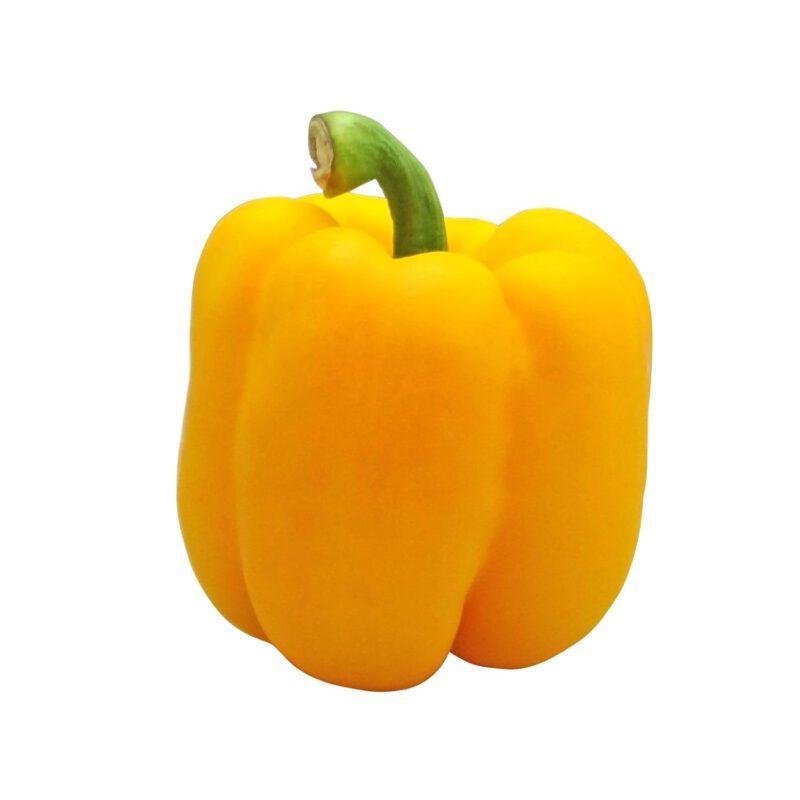
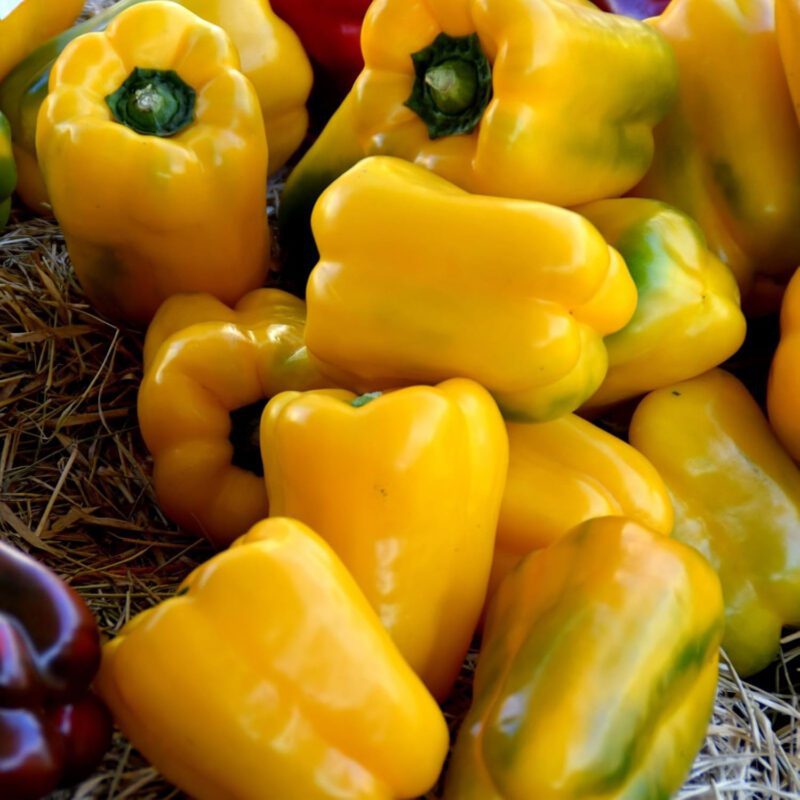
Yellow Bell Pepper Capsicum Vegetable Seeds
- Premium Quality Seeds: Nelesa Gardening Golden Yellow Bell Pepper seeds ensure high germination rates and healthy plant growth.
- Vibrant and Nutritious: Grow flavorful golden-yellow bell peppers packed with essential vitamins and antioxidants.
- Easy to Grow: Suitable for beginners and seasoned gardeners, these seeds are perfect for pots, containers, or garden beds.
- Multipurpose Usage: Ideal for salads, stir-fries, sandwiches, or as a healthy snacking option.
- 10 Seeds Pack: Sufficient quantity to start your kitchen or home garden and enjoy consistent yields.
- Non-GMO and Chemical-Free: Grow your vegetables naturally without harmful chemicals or pesticides.
- Perfect for All Seasons: These capsicum seeds adapt well to different climates, making them suitable for year-round gardening.

Kids Garden Swing – Enjoy Outdoor Fun Safely

Kids Garden Swing: The Ultimate Guide for Fun and SafetyA kids garden swing is more than just a toy. It is a source ...
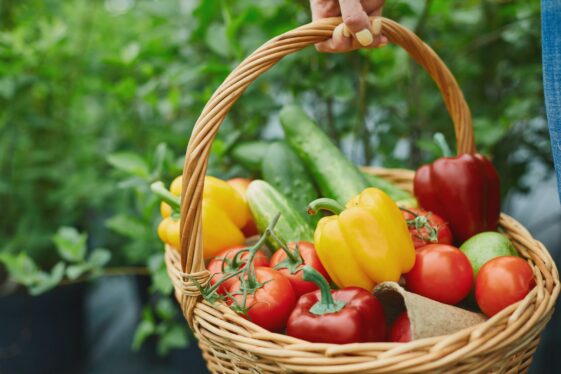
How to Start an Organic Kitchen Garden at Home – Beginner’s Guide
Imagine walking outside your door, plucking fresh vegetables, and knowing exactly how they were grown—free from harmful ...
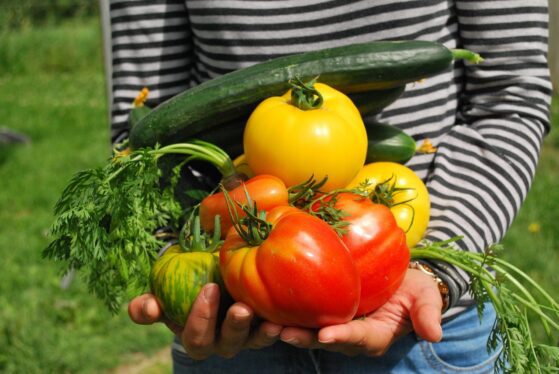
10 Easy Vegetables to Grow in Your Kitchen Garden at Home
Easy Vegetables to Grow - There’s something magical about stepping into your own garden, plucking a handful of fresh veg...
Exploring Atlanta’s modern homes
Vivamus enim sagittis aptent hac mi dui a per aptent suspendisse cras odio bibendum augue rhoncus laoreet dui praesent s...