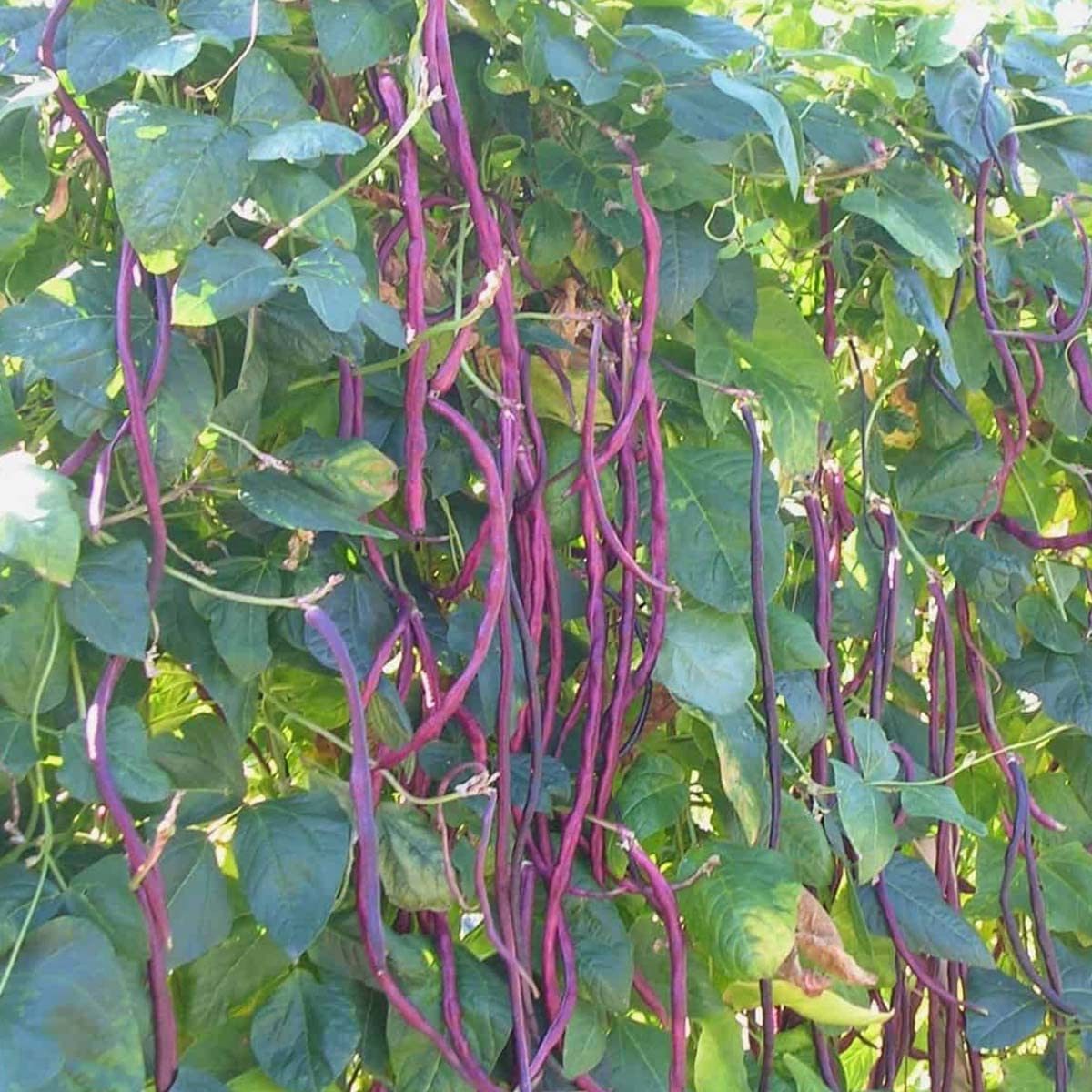
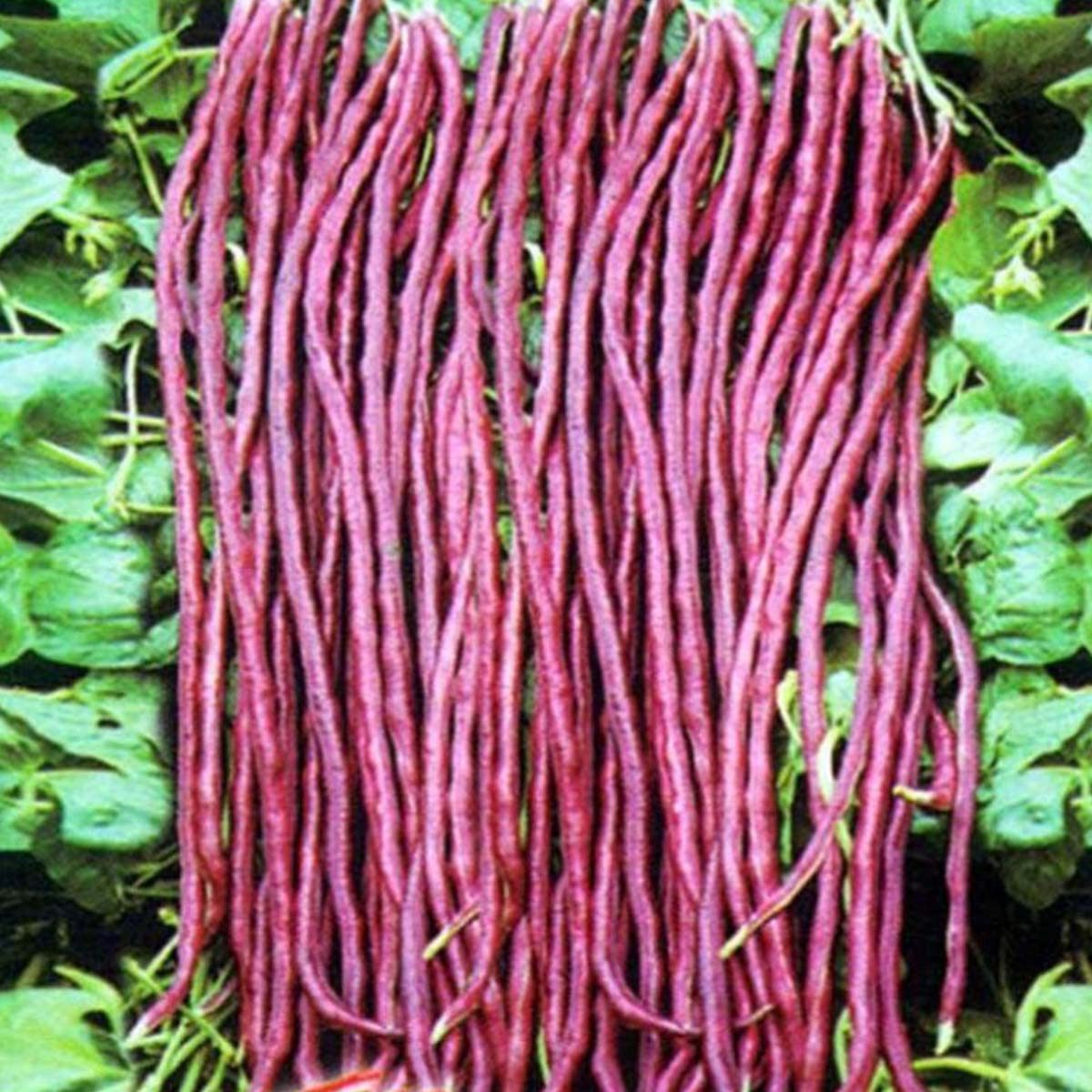
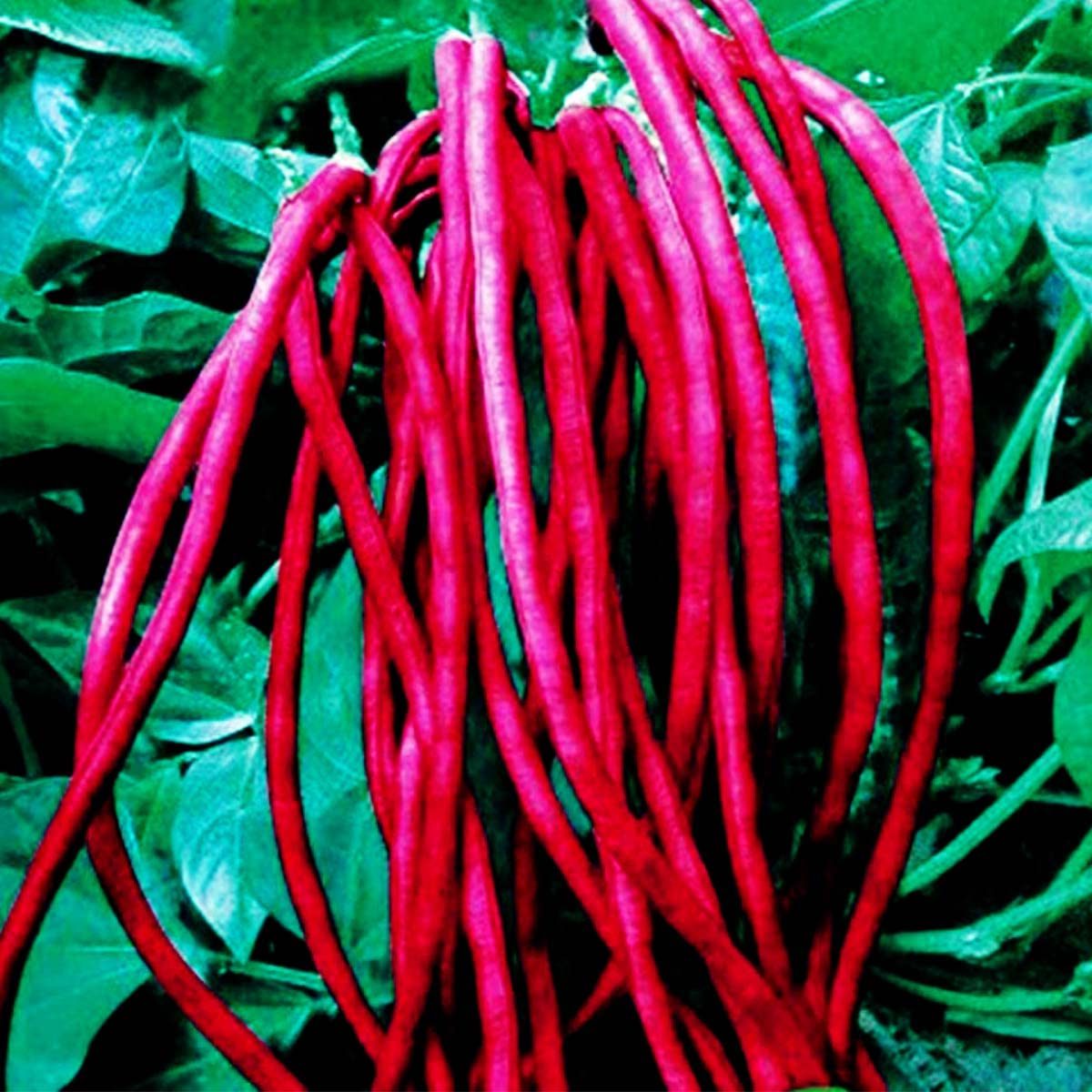
There are several reasons why you may want to grow red cowpea plant at home: Nutritional Value: Red cowpeas are rich in nutrients such as protein, fiber, iron, and potassium. Incorporating them into your diet can help improve your overall health and wellbeing. Easy to Grow: Red cowpeas are relatively easy to grow and require minimal care, making them an excellent choice for beginners or those with limited space or time. Cost-effective: Growing your own red cowpeas at home can save you money in the long run compared to buying them from the store. Sustainable: Growing your own food at home can reduce your carbon footprint and help promote sustainable living. Freshness: Homegrown red cowpeas are fresher and tastier than store-bought varieties, as they are harvested at peak ripeness and not subjected to long periods of transportation and storage. Versatility: Red cowpeas can be used in a variety of dishes, including soups, stews, salads, and curries, making them a versatile addition to your pantry. Educational: Growing red cowpeas at home can be a fun and educational activity for children, teaching them about gardening, nutrition, and sustainability.

Vegetable Seeds
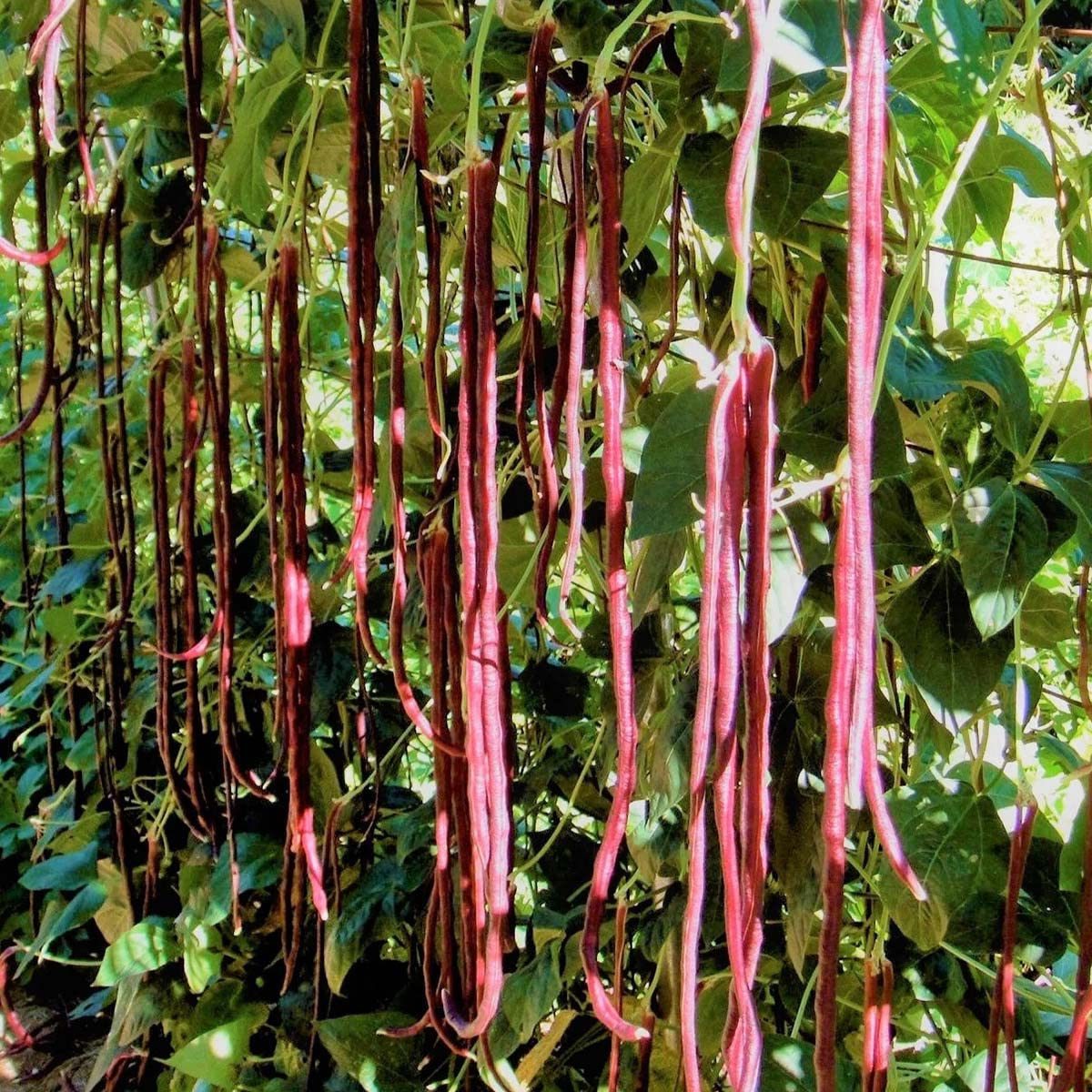
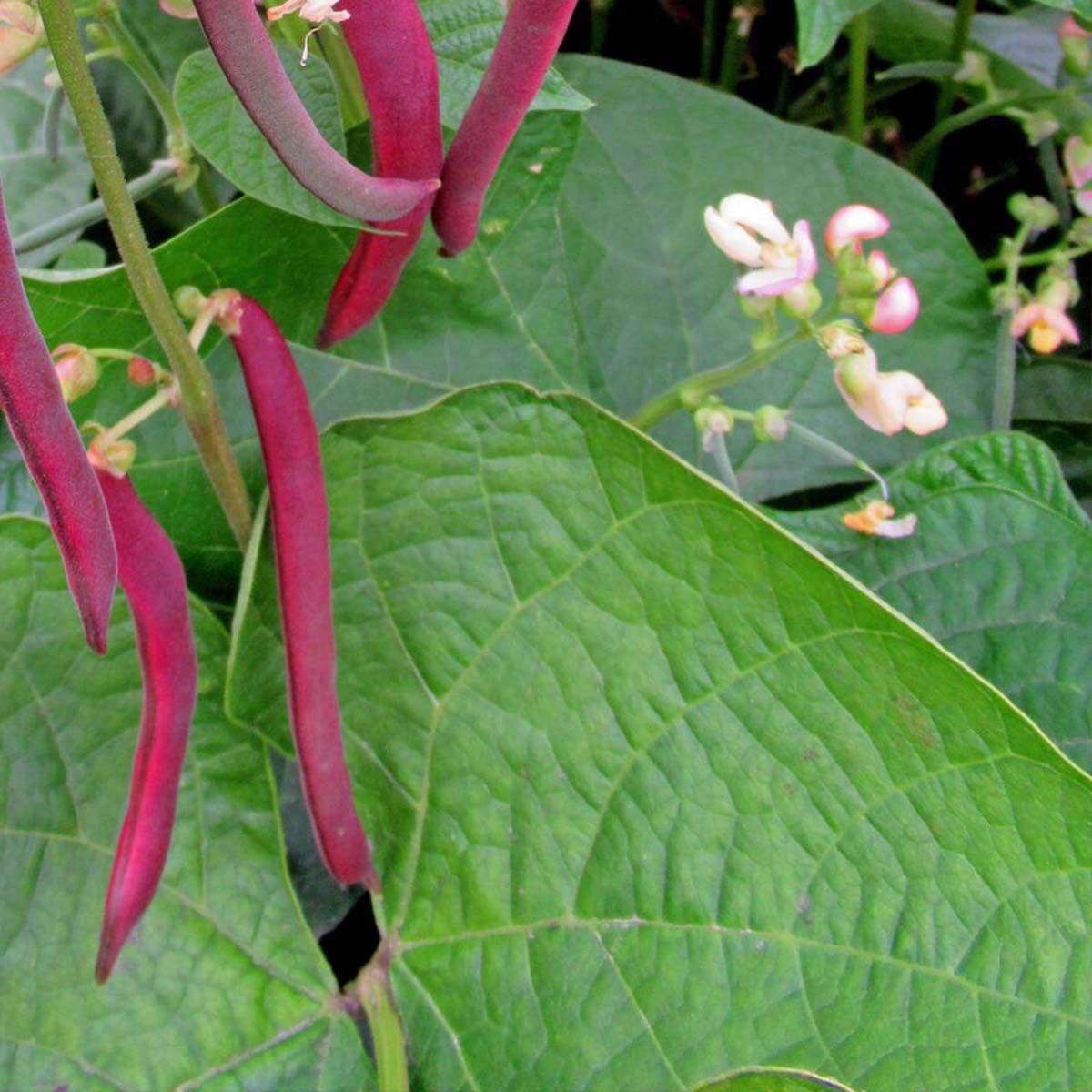
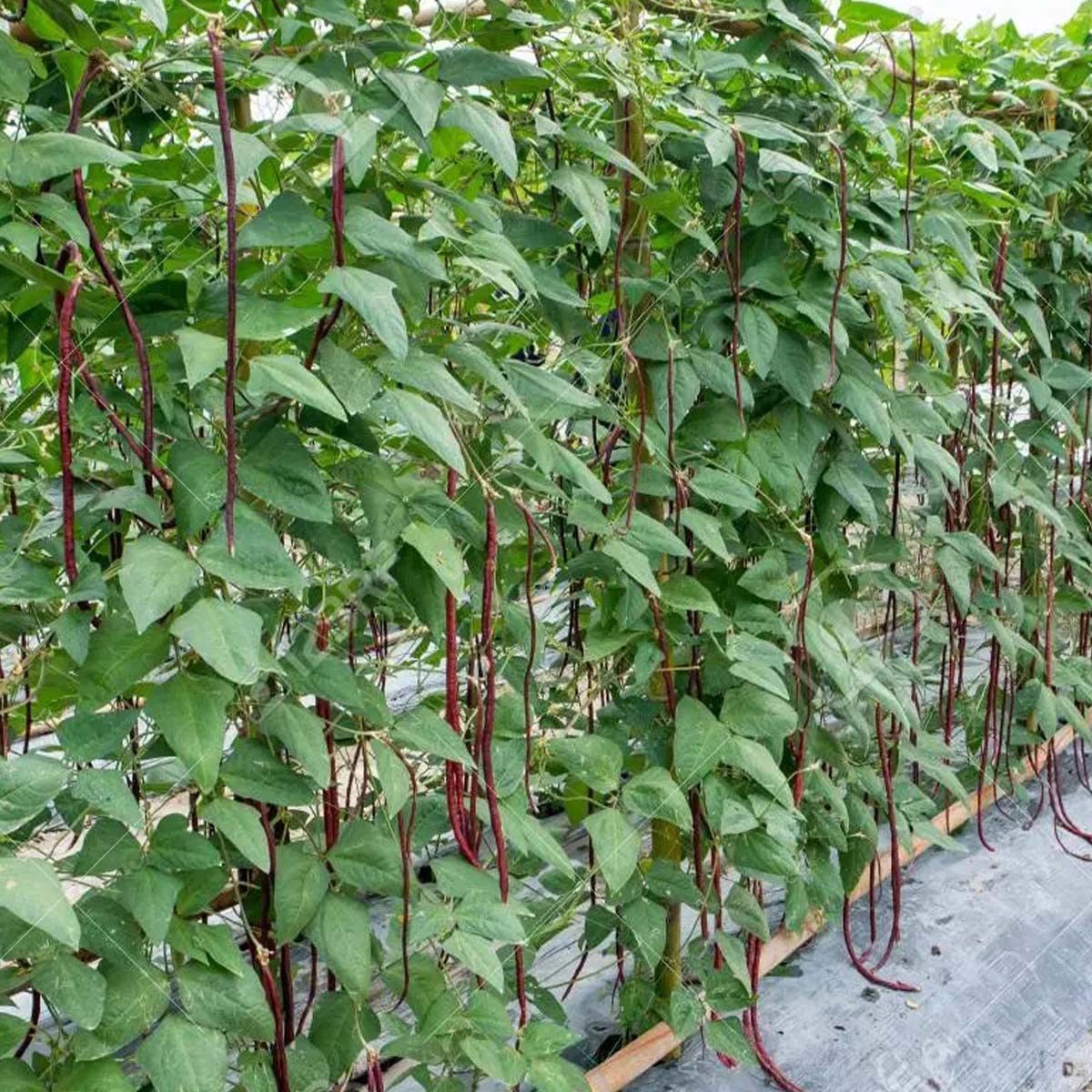
Nelesa Gardening Red Cowpea Long Yard Bean Barbatti Vegetable Seed – 50 Seeds Pack
Original price was: ₹ 199.00.₹ 49.00Current price is: ₹ 49.00.
+ Free Shipping- Selecting the Right Site: Choose a site that receives full sun, with well-drained soil that is rich in organic matter. Cowpeas thrive in warm temperatures, so choose a location that has a minimum temperature of 60°F.
- Preparing the Soil: Cowpeas grow best in soil with a pH level between 5.5 and 7.0. Prepare the soil by adding organic matter, such as compost or aged manure, to improve soil fertility and texture.
- Planting: Plant cowpea seeds directly into the soil after the danger of frost has passed. Plant the seeds 1-2 inches deep, spacing them 3-6 inches apart. Water the soil well after planting.
- Watering: Cowpeas require regular watering, especially during the first 6-8 weeks of growth. Water deeply, but infrequently to encourage deep root growth. Avoid overwatering as it can lead to root rot.
- Fertilizing: Cowpeas require minimal fertilization. If the soil is lacking in nutrients, apply a balanced fertilizer, such as 10-10-10, before planting.
- Pest and Disease Control: Watch out for common cowpea pests such as aphids, thrips, and spider mites. Treat with insecticidal soap or neem oil if necessary. Also, be on the lookout for diseases such as root rot and bacterial blight, which can be prevented by maintaining good soil drainage and practicing crop rotation.
- Harvesting: Cowpeas are ready for harvest when the pods turn brown and the seeds rattle inside. Harvest the pods when they are dry but before they shatter. Dry the pods in a well-ventilated area, then remove the seeds by threshing or rubbing the pods together. Store the seeds in a cool, dry place until ready to use.
Availability: In stock
| Weight | 15 g |
|---|---|
| Dimensions | 15 × 10 × 1 cm |
| Manufacturer | Nelesa Gardening |
Related products
Nelesa Gardening 12 Leafy Vegetable Seeds for Home Gardening, Kitchen Gardening Seeds, Organic Vegetable Seeds, Fresh Indian Desi Vegetable Seeds, Easy to Grow Organic Vegetable Seeds for Garden
Vegetable Seeds Original price was: ₹ 499.00.₹ 99.00Current price is: ₹ 99.00.Nelesa Gardening Brinjal Big Green Eggplant Organic Vegetable Seeds – 50 Seeds Pack for Home Gardening, High Yielding Easy to Grow Eggplant Seed for Indian Gardens, Vegetable Seed for Home Gardeners
Vegetable Seeds Original price was: ₹ 199.00.₹ 49.00Current price is: ₹ 49.00.Creative Farmer Flat Lima Bean Green Sem Seeds 20 Seeds
Vegetable Seeds Original price was: ₹ 199.00.₹ 49.00Current price is: ₹ 49.00.
Reviews
There are no reviews yet.